Cloudion
Cloudion
Cloudion
High-reliability components optimized for large-scale deployments, data centers, and AI model storage infrastructure.
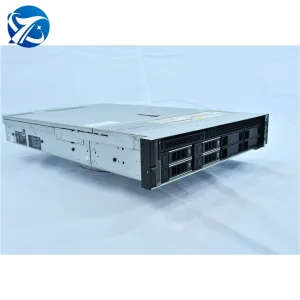
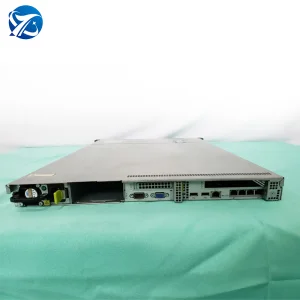
The global digital transformation has accelerated the transition from legacy rotating media to high-speed solid-state drives (SSDs). For enterprises, cloud data centers, and AI infrastructure providers, SSD selection is no longer a matter of simply comparing price-per-gigabyte. It is a complex engineering decision involving PCIe Gen 5 interfaces, endurance ratings measured in Drive Writes Per Day (DWPD), low-latency protocols, and supply chain predictability.
As deep learning, high-performance computing (HPC), and distributed databases continue to demand real-time data ingestion, SSD storage manufacturers have evolved their fabrication processes. Modern flash storage relies on 3D NAND stacking architectures exceeding 232 layers to deliver the massive capacities required for machine learning datasets. Concurrently, security standards like Opal storage specifications and TAA compliance dictate global sourcing pipelines.
A comprehensive assessment of the dominant forces driving flash memory fabrication, research, and high-density integration.
Samsung stands as the undisputed market leader in global flash memory production, vertically integrating the fabrication of NAND wafers, in-house SSD controllers, and DRAM cache chips. Their production facilities in Hwaseong and Pyeongtaek (South Korea), alongside massive fabrication plants in Xi'an (China), supply a significant portion of the world's enterprise NVMe SSDs. Known for their PM and SM series, Samsung drives innovation in PCIe Gen 5 architectures and highly optimized hardware-encryption engines.
Following the acquisition of Intel’s NAND and SSD business, SK Hynix established Solidigm, positioning the combined entity as an enterprise storage powerhouse. SK Hynix's fabrication plants in Cheongju and Wuxi, paired with Solidigm’s deep expertise in enterprise storage software and high-density QLC architectures, make them a primary supplier for cloud service providers. Their portfolio features ultra-large-capacity drives (such as the D5-P5336 series reaching up to 61.44TB) optimized for storage-intensive warm and cold data workloads.
Kioxia, formerly Toshiba Memory, is the pioneer of NAND flash memory. Operating state-of-the-art joint-venture cleanrooms with Western Digital in Yokkaichi and Kitakami (Japan), Kioxia is at the forefront of BiCS FLASH development. They maintain an exceptionally strong presence in the enterprise storage sector, offering robust SAS and NVMe PCIe SSDs that deliver deterministic performance, low latency consistency, and advanced data-protection features required by mission-critical financial databases.
Micron Technology designs and builds advanced memory and storage solutions in fabrication facilities spanning the United States, Singapore, Japan, and assembly/testing plants in China and Malaysia. Micron was among the first to successfully mass-produce 232-layer TLC NAND, paving the way for next-generation PCIe Gen 5 SSDs. Their enterprise solutions, including the 7450 and 9400 NVMe series, are widely deployed across enterprise servers, hyperscaler infrastructures, and computational storage systems.
Leveraging its acquisition of SanDisk and long-standing manufacturing partnership with Kioxia, Western Digital operates a massive global storage footprint. The company excels in providing end-to-end data storage architectures, offering client-focused WD Black performance SSDs as well as Ultrastar enterprise-grade storage drives. Their integration capability makes them a preferred vendor for global system integrators building hybrid storage arrays.
As a standalone subsidiary of SK Hynix, Solidigm builds directly upon Intel's legacy of high-reliability storage engineering. Solidigm has carved out a dominant market share in the high-density enterprise SSD space, particularly with their high-capacity PCIe Gen 4/5 QLC platforms. By optimizing flash management firmware specifically for write-shaping and read-heavy cloud storage, they have enabled data centers to replace traditional HDDs with compact, energy-efficient U.2 and E3.S form factor SSDs.
While historically dominant in hard disk drive technology, Seagate has expanded its footprint into high-performance SSD storage through the Nytro series. Seagate collaborates closely with controller developers and wafer manufacturers to offer highly reliable SAS and NVMe drives. These drives are specifically engineered to fit into Seagate's unified data center storage enclosures, providing automated tiering systems for enterprise-scale workloads and cloud infrastructures.
Kingston operates as the largest independent memory module manufacturer globally. While not possessing native silicon fabrication cleanrooms, Kingston maintains powerful long-term wafer supply contracts with major chip manufacturers. Operating massive packaging and testing facilities in China and Taiwan, Kingston delivers cost-efficient, highly customized client and enterprise-grade SSDs (such as the DC series) designed for OEM system builders requiring high flexibility.
Phison is the engineering brain behind a vast number of SSD brands globally. Primarily known as an IC designer, Phison also operates massive testing and assembly facilities to deliver custom, turnkey SSD solutions for industrial, aerospace, automotive, and enterprise server OEMs. Their advanced controllers (such as the PS5026-E26) have set performance records for PCIe 5.0 client and enterprise data storage deployment.
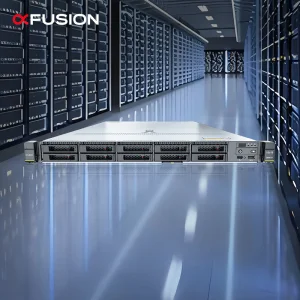
Cloudion AI Systems Ltd (https://cloudionai.com) represents the next generation of specialized system-level storage integrators. Operating an advanced 18,600㎡ manufacturing facility, the company bridges the gap between SSD components and complex AI processing. CloudionAI specializes in high-density rack storage servers, NVMe over Fabrics (NVMe-oF) architectures, and custom GPU-integrated flash systems. Backed by 320 R&D engineers and 12 years of industry experience, they optimize SSD thermal management, throughput matching, and hardware compatibility for deep learning and high-capacity cloud clusters.
Analyzing how industrial integration in Shenzhen and surrounding tech corridors optimizes SSD and server development.
The manufacturing ecosystem in Southern China, specifically within the Shenzhen and Guangdong electronics cluster, represents a highly integrated supply network. For companies like CloudionAI, proximity to component raw materials, advanced PCB assembly (PCBA) plants, semiconductor packaging houses, and specialized chassis fabricators enables unmatched prototyping speed and cost efficiencies.
By leveraging an extensive network of over 1,100 upstream supply chain partners, CloudionAI manages component sourcing seamlessly. This close integration mitigates supply chain disruptions and ensures that critical subsystems—such as VRMs, power distribution units (PDUs), specialized cooling sinks, and high-frequency connectors—are sourced and tested simultaneously with enterprise flash controllers.
This industrial synergy reduces lead times for complex SSD integration from months to weeks. Additionally, it permits massive customization opportunities (OEM/ODM) at the firmware, hardware, and system level, which is a major competitive advantage for international enterprises seeking tailored cloud architectures.
Navigating the complex regulatory terrain and operational requirements of global enterprise procurement.
Enterprise data storage requires absolute reliability. CloudionAI implements ISO-based quality management structures. With a team of 48 professional inspectors, every device undergoes strict hardware-in-the-loop validation, Automated Optical Inspection (AOI), multi-stage functional verification, and thermal stress testing to minimize infant mortality rates in solid-state devices.
For government contracting, defense installations, and high-security enterprise environments, complying with the Trade Agreements Act (TAA) and regional safety certifications (CE, FCC, RoHS, UL) is essential. Modern storage manufacturers build diversified final assembly sites to meet localized procurement guidelines without sacrificing storage performance.
Hardware deployment issues can halt entire data centers. Top SSD manufacturers and systems integrators resolve integration challenges through dedicated local FAE teams. These engineers provide firmware customization, performance tuning for specialized database workloads, and on-site hardware diagnosis, securing operational uptime.
A look inside the 18,600㎡ high-density computing system factory, demonstrating quality assurance at every level of assembly.
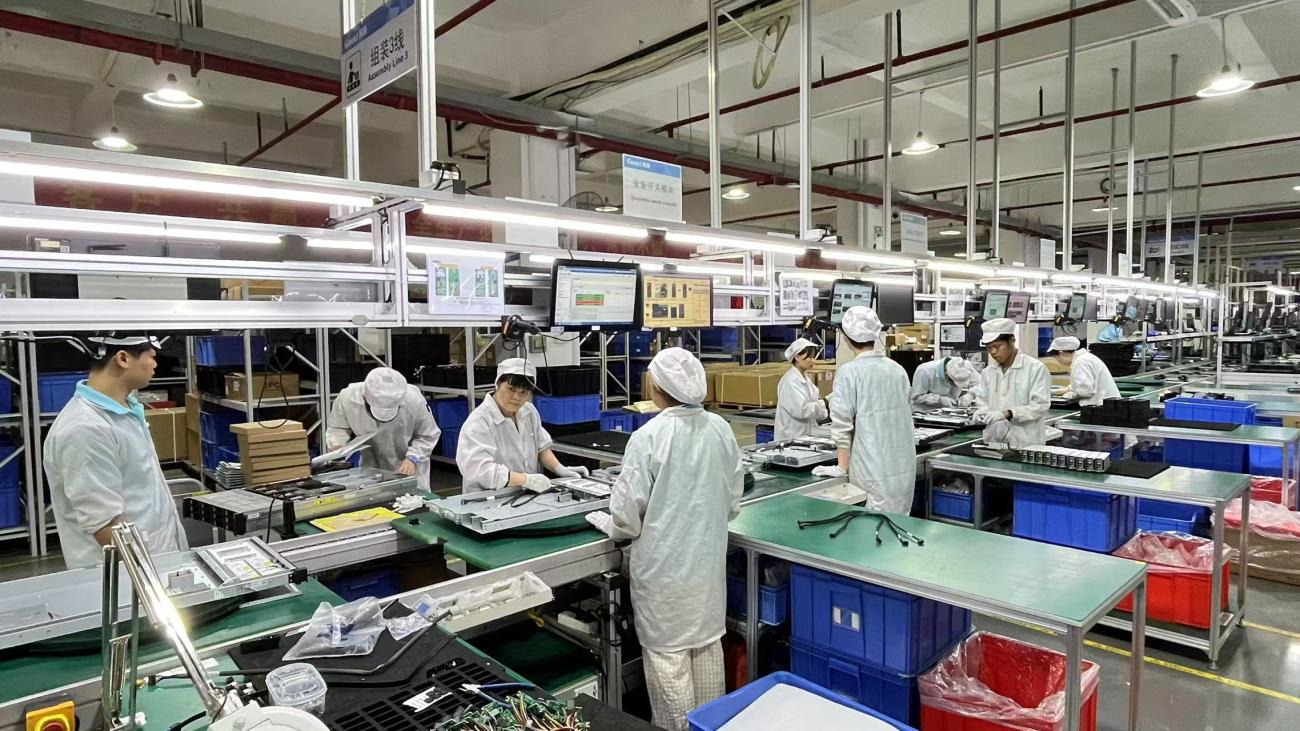
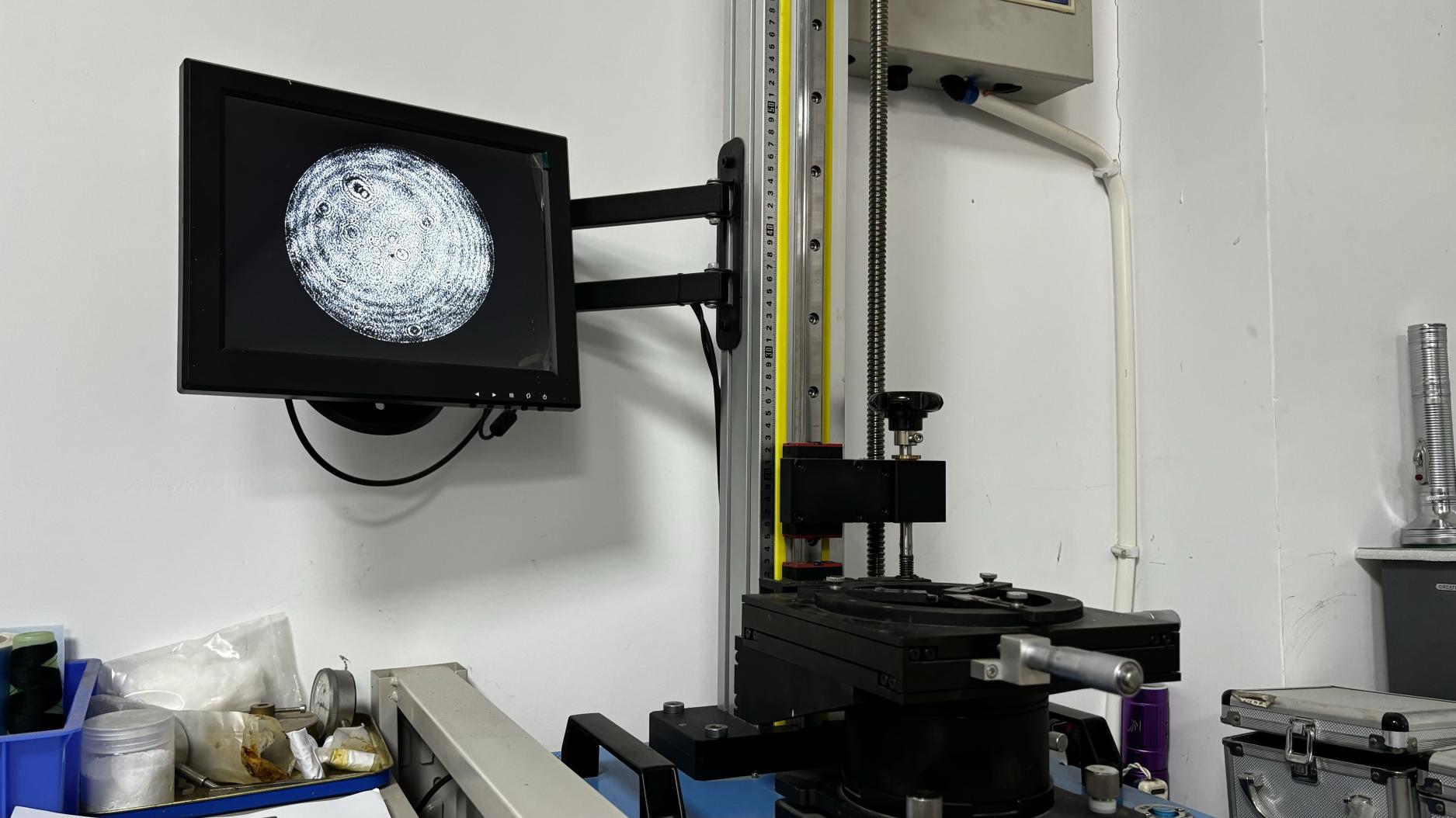
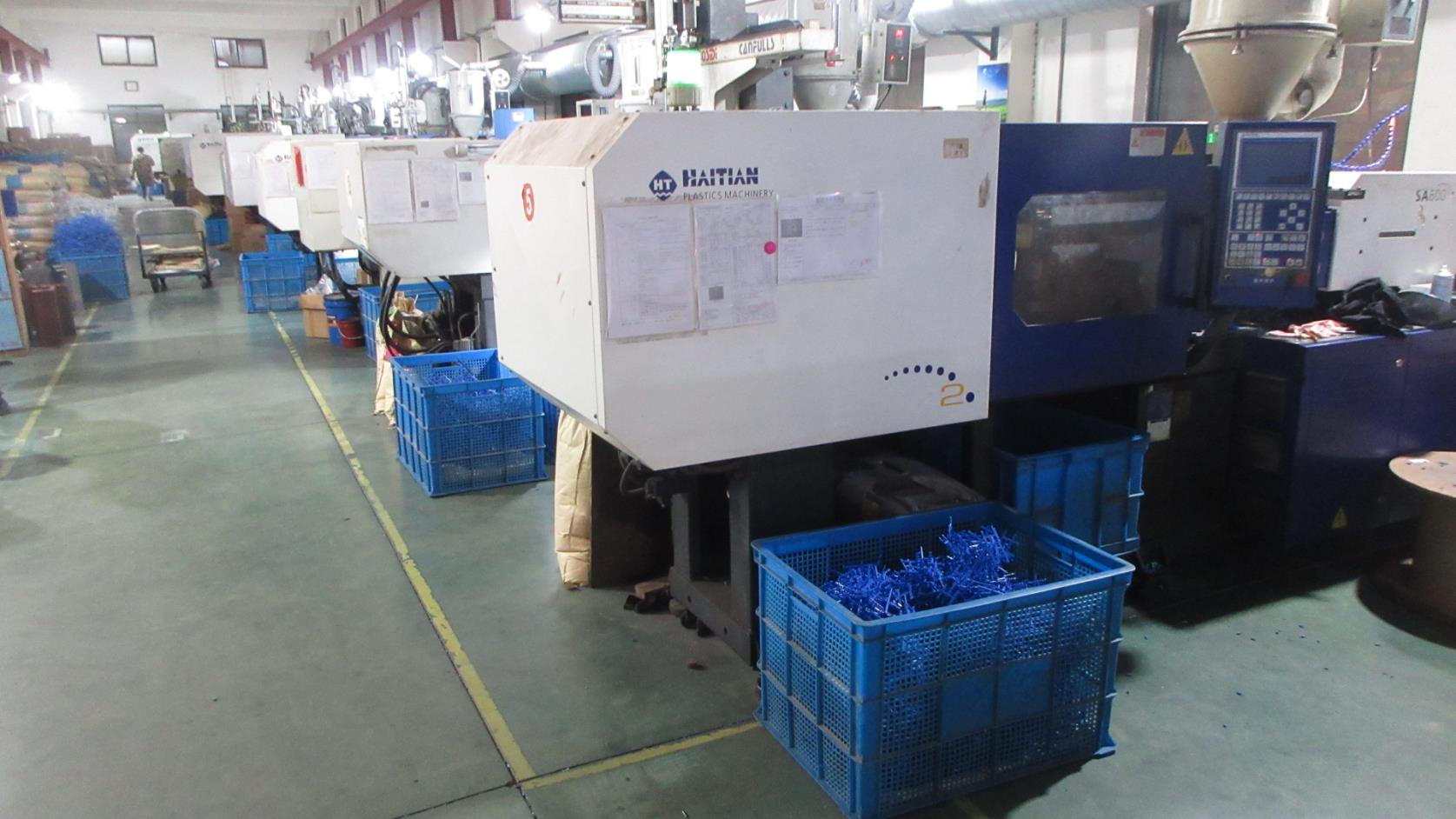
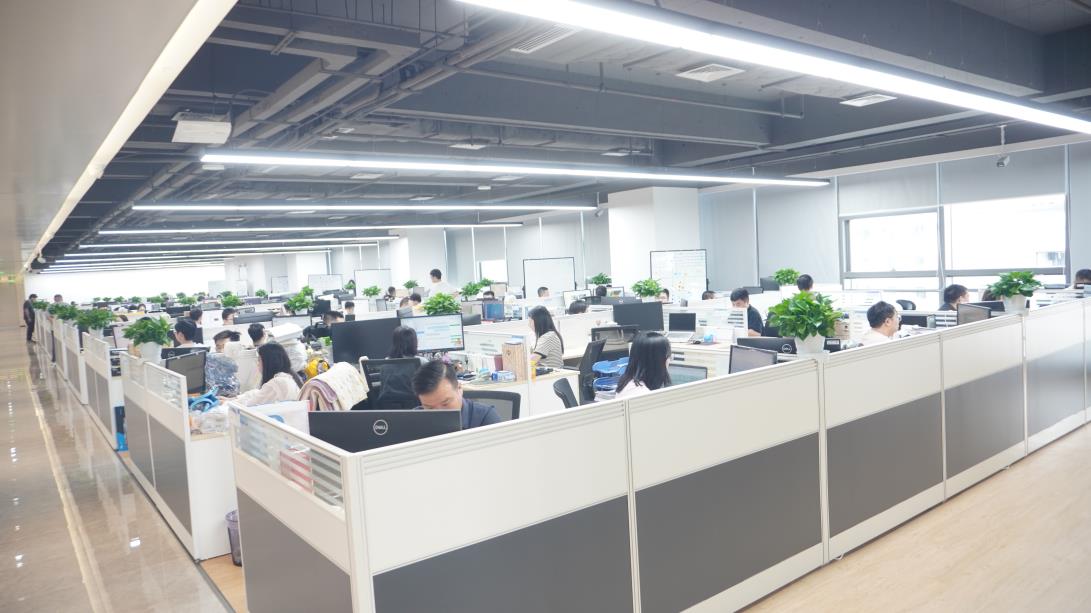
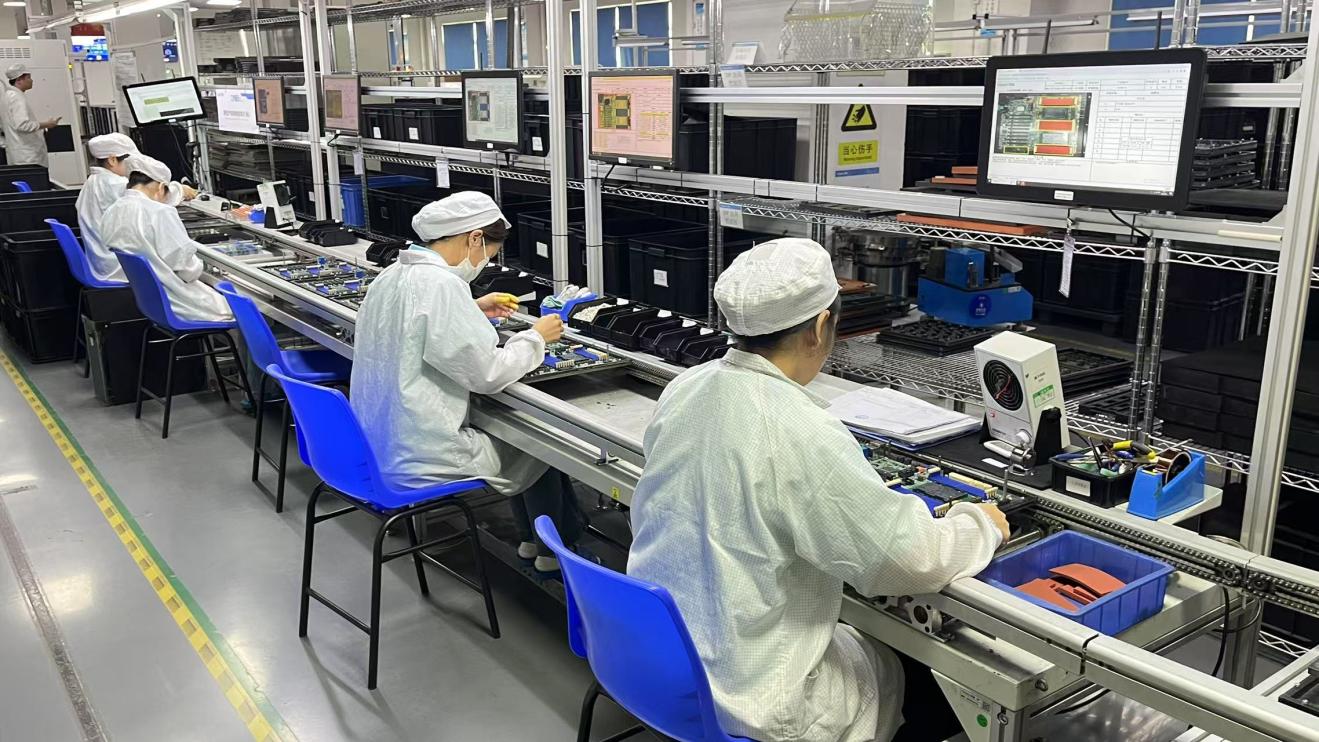
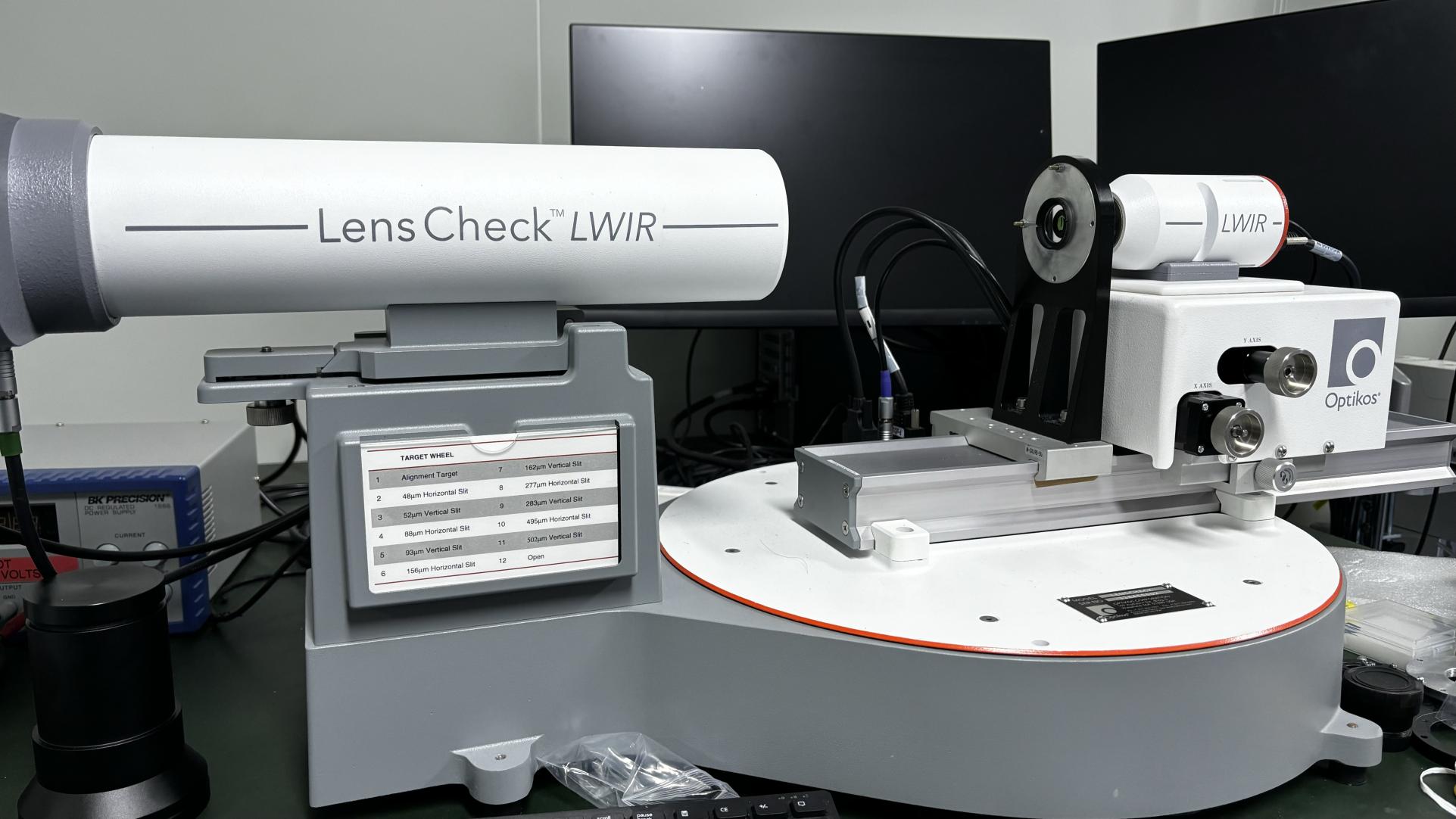
Every server node and storage drive undergoes thermal stress testing, full functional verification, and continuous burn-in validation before shipment.
From the edge to the core, matching SSD technologies with complex computational workloads.
Deep learning models require massive datasets to flow through GPUs continuously. Any bottleneck in storage results in underutilized GPUs. High-speed PCIe Gen 5 NVMe drives with high queue depths provide the sustained multi-gigabyte throughput necessary for deep learning architectures, such as DeepSeek optimization frameworks, ensuring near-zero wait states during training cycles.
Virtualization environments run thousands of separate virtual machines on a single physical host. This scenario triggers an "IOPS storm," where random read and write requests are highly mixed. Enterprise-grade TLC and QLC SSDs optimized for mixed-use workloads manage these demands through advanced wear leveling and controller multi-threading.
In transactional systems, milliseconds translate directly into millions of dollars. These deployments utilize write-intensive enterprise SSDs configured with high over-provisioning percentages. This layout minimizes write amplification and guarantees ultra-low latencies even during peak transactional surges.
IoT gateways and edge servers are frequently deployed in harsh, remote locations with unstable power supplies. These environments rely on industrial SSDs featuring wide-temperature specifications and robust hardware power-loss protection (PLP) capacitors to prevent data corruption during unexpected outages.
Expert answers to the most common questions raised by enterprise procurement officers and technical leads.
TLC (Triple-Level Cell) stores 3 bits of data per cell and offers higher endurance (typically 1 to 3 DWPD) and faster write performance. QLC (Quad-Level Cell) stores 4 bits per cell, achieving higher capacity and lower cost-per-gigabyte. However, QLC exhibits lower endurance (typically less than 1 DWPD) and slower write speeds, making it ideal for read-intensive, high-capacity workloads like machine learning inference and cold storage.
High-speed NVMe drives (especially PCIe Gen 5) generate substantial heat during sustained operations. If temperatures exceed standard operating ranges (typically 70°C), the onboard SSD controller initiates dynamic thermal throttling to protect components, reducing throughput by up to 50%. Proper system integration, custom heatsinks, and optimized server airflow or liquid cooling loops are crucial to sustaining full performance.
PLP uses arrays of capacitors on the SSD's PCB to supply temporary power if the main host power fails. This power window gives the SSD controller time to flush cache data (data stored in volatile DRAM) to non-volatile flash memory, preventing database corruption and securing file integrity.
While silicon fabricators manufacture raw flash cells, CloudionAI integrates these components into high-density GPU and storage servers. They specialize in optimizing storage pipelines, engineering advanced thermal architectures, and tailoring firmware to eliminate I/O performance bottlenecks in enterprise-scale AI networks.
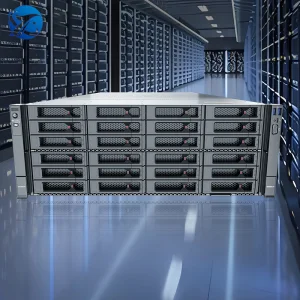
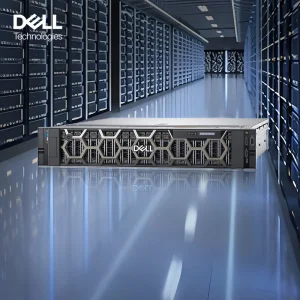
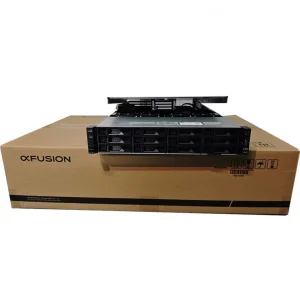
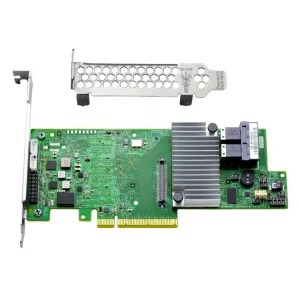
Engineered hardware options for high-throughput AI workloads, hyperscale database systems, and robust edge computing environments.