Cloudion
Cloudion
Cloudion
Selected high-speed connectivity products deployed across South Korea's smart city & cloud infrastructures.
As South Korea continues to spearhead global technology trends under its nationwide "Smart Factory" initiatives and "K-Cloud" framework, enterprise architecture is shifting towards highly converged networks. Modern manufacturing plants in Ulsan, semiconductor fabs in Gyeonggi-do, and AI startups in Pangyo Techno Valley require robust networking switches that offer non-blocking throughput, ultra-low latency (TSN - Time Sensitive Networking), and massive stacking bandwidth.
For these demanding industrial ecosystems, standard switches are no longer sufficient. Enterprise operations require Tier-1 standard Layer 3 routing capabilities combined with optical transport capacity capable of processing thousands of multi-gigabit connections simultaneously.
A Global Leader in High-Performance Computing & Network Infrastructure
Under our brand CloudionAI (https://cloudionai.com), we specialize in delivering enterprise-grade networking components and scalable GPU server architectures engineered for modern deep learning models, high-volume model inference, and cloud data center environments.
Founded in 2016, we have established a strong reputation in the high-density computing sector, serving top-tier network architects and systems integrators across the globe.
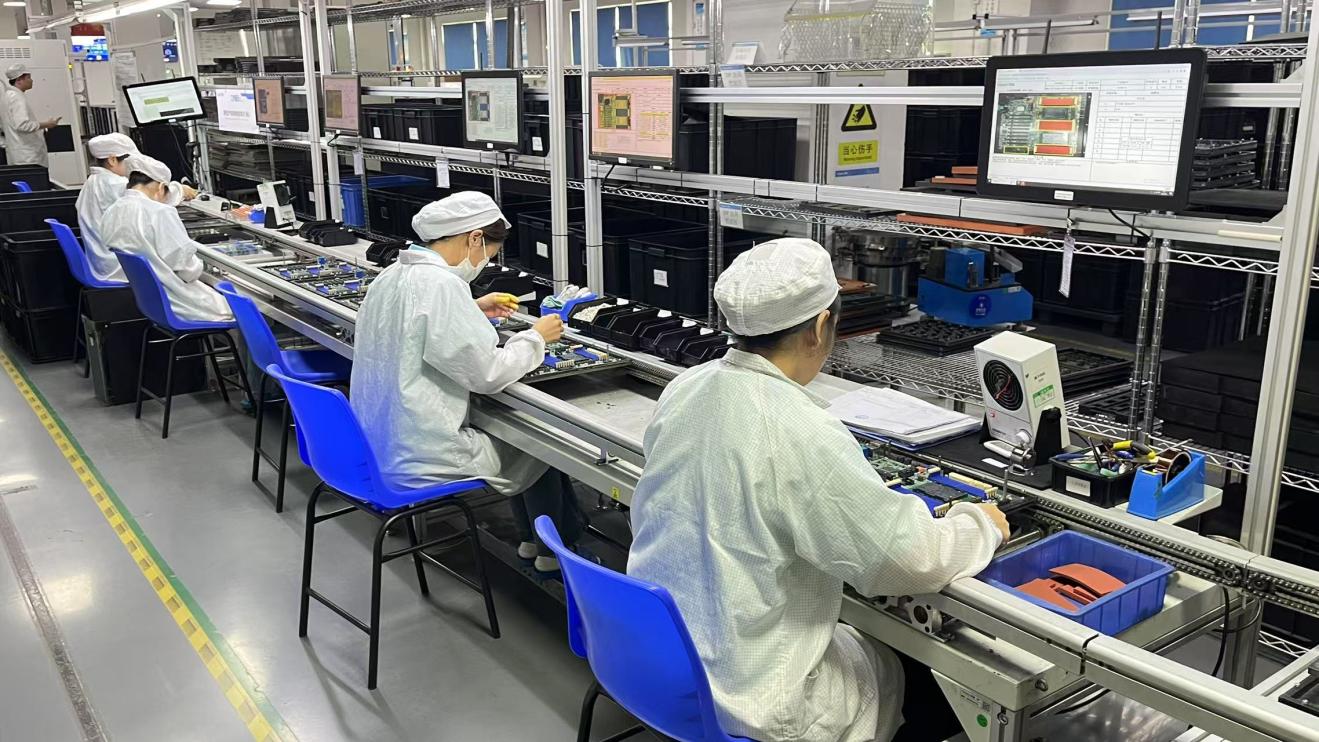
Inquire About Custom OEM/ODM SpecsOur infrastructure includes precision engineering workshops, automated surface-mount-technology (SMT) lines, and a high-capacity thermal testing chamber. Our primary markets extend from South Korea to North America, Europe, and Southeast Asia, generating over USD 12 million in annual export value.
As the primary hub for global electronics manufacturing, Chinese Industry 4.0 integration allows CloudionAI to offer unparalleled efficiency, precision, and supply chain stability for our partners in South Korea. By leveraging a network of over 1,100 trusted upstream partners, we secure first-run access to critical ICs, high-frequency PCBs, copper alloys, and high-efficiency cooling fans.
| Strategic Indicator | How CloudionAI Delivers Information Gain & Trust | Benefits for Korean Procurement Teams |
|---|---|---|
| Raw Component Access | Direct alliance with top-tier semiconductor providers and specialized thermal management factories. | Elimination of supply bottlenecks, ensuring stable production times during peak semiconductor demand periods. |
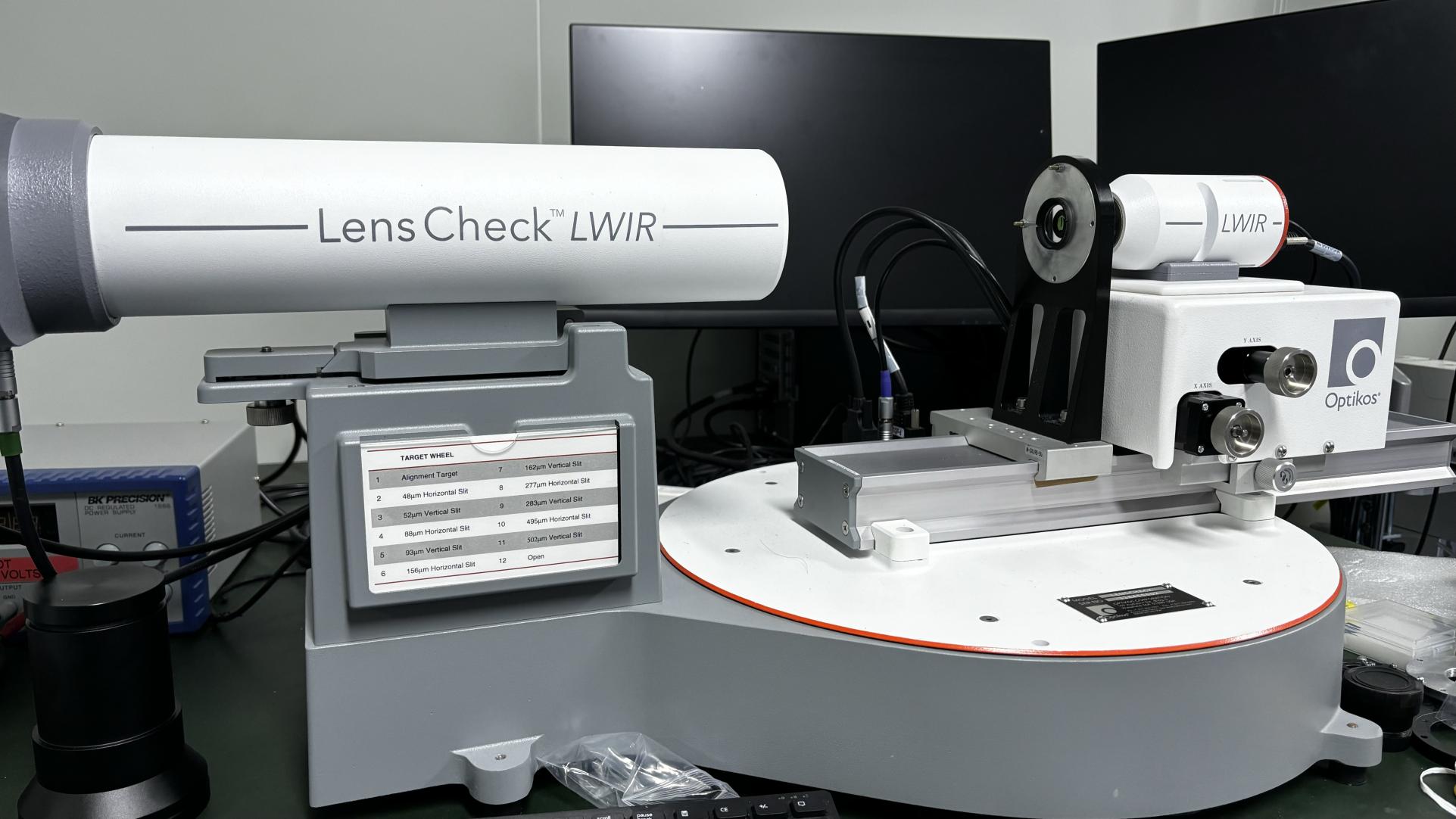
| ISO-Certified Quality | Multiple SMT testing layers: Automated Optical Inspection (AOI), thermal stress testing, and real-time load testing. | Reduced on-site failures and lower field-maintenance costs in Korean regional offices and factory setups. |
| OEM/ODM Flexibility | Support for modified ASIC microcode, variable power configurations, and customized chassis depths. | Seamless integration with legacy hardware in Gumi and Gwangyang smart industrial clusters. |
| Proximity & Logistics | Proximity of our assembly centers to major shipping hubs in Shenzhen/Ningbo, offering quick transport to Incheon/Busan. | Lower transit costs, simplified customs processing under bilateral agreements, and quick 5-7 day standard air delivery. |
Different regions in South Korea possess distinct manufacturing and computing requirements. CloudionAI tailors its distribution networks and technical setups to address specific pain points across various sectors:
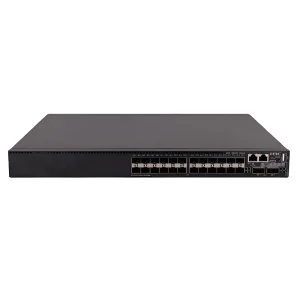
Korean cloud infrastructure requires massive throughput with dynamic load balancing. Deploying 10G/40G Layer-3 Switches ensures that containerized AI applications can dynamically scale without creating bottlenecks in data pipelines.
For smart steelworks, shipyards, and vehicle assembly lines, network hardware must withstand extreme temperatures and electromagnetic interference. Our ruggedized chassis designs ensure continuous operation under harsh factory floor conditions.
Smart sorting and distribution terminals rely on high-speed industrial scanners, robotic gantries, and edge nodes. Low-latency PoE switches power and connect these devices, minimizing packet loss and streamlining warehouse operations.
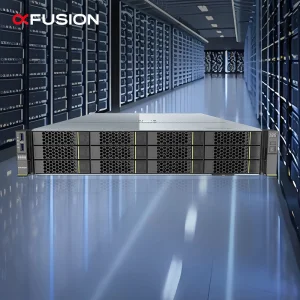
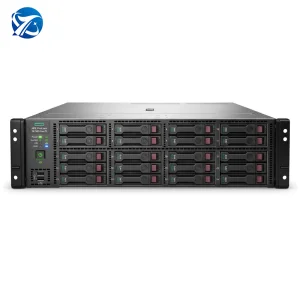
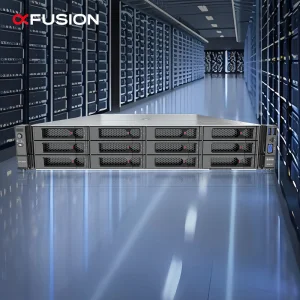
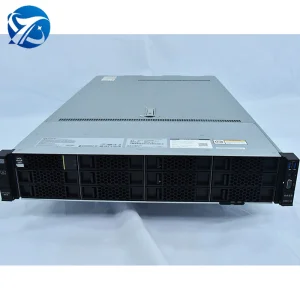
Reliable computing and storage solutions engineered for modern business analytics, database management, and deep learning.
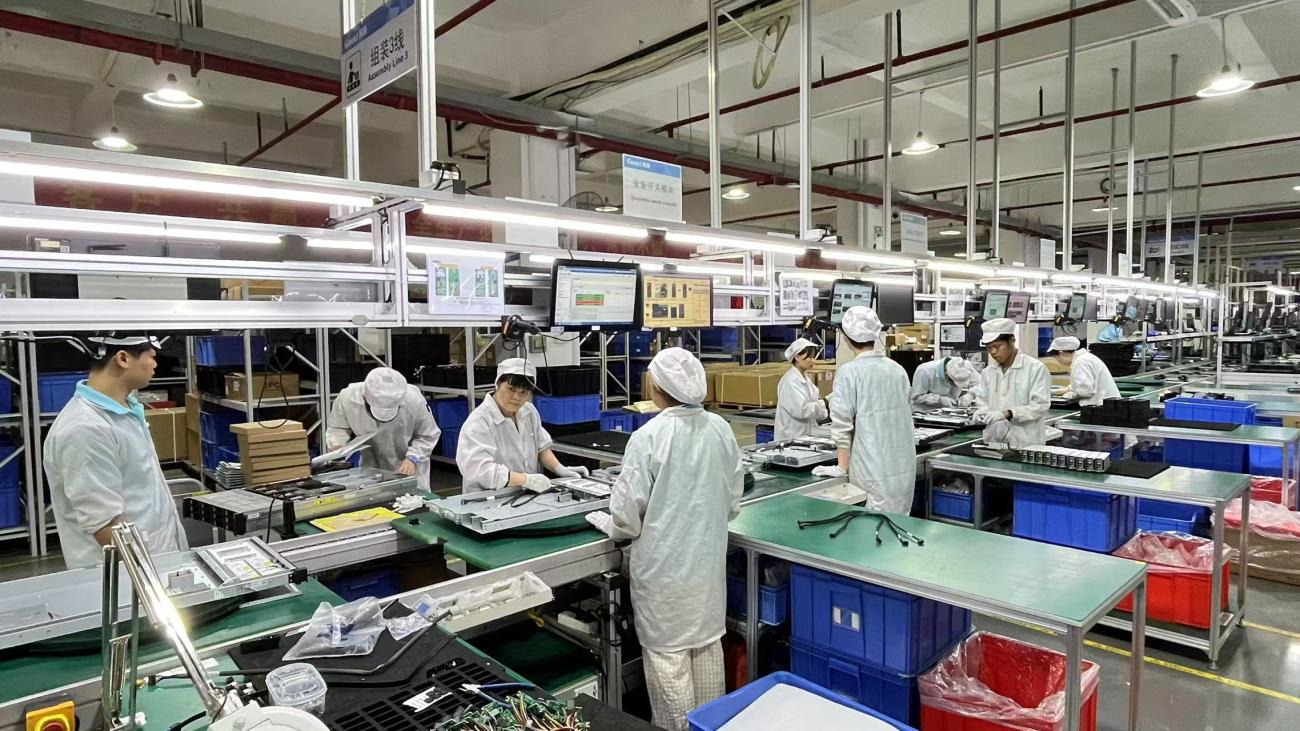
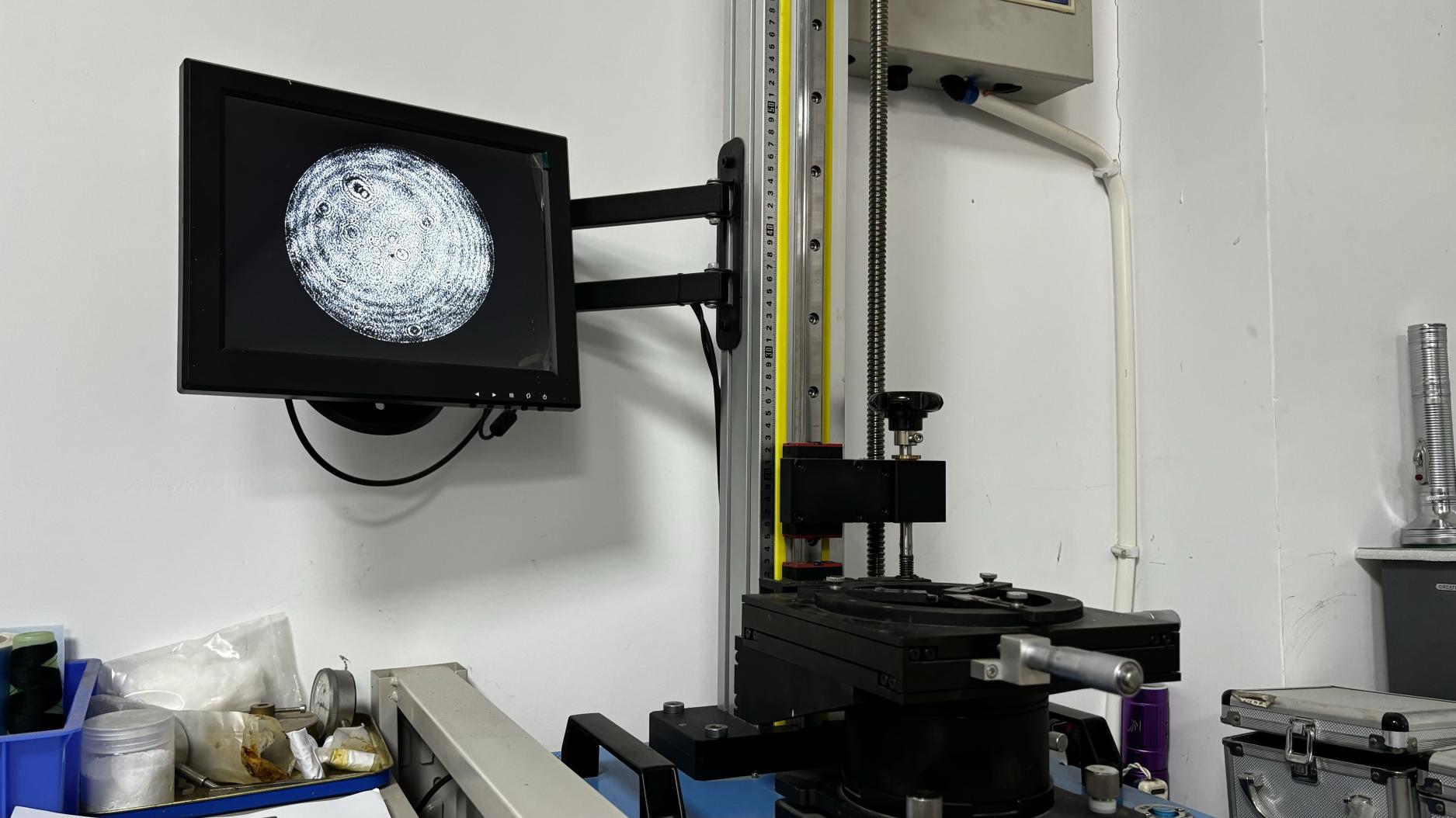
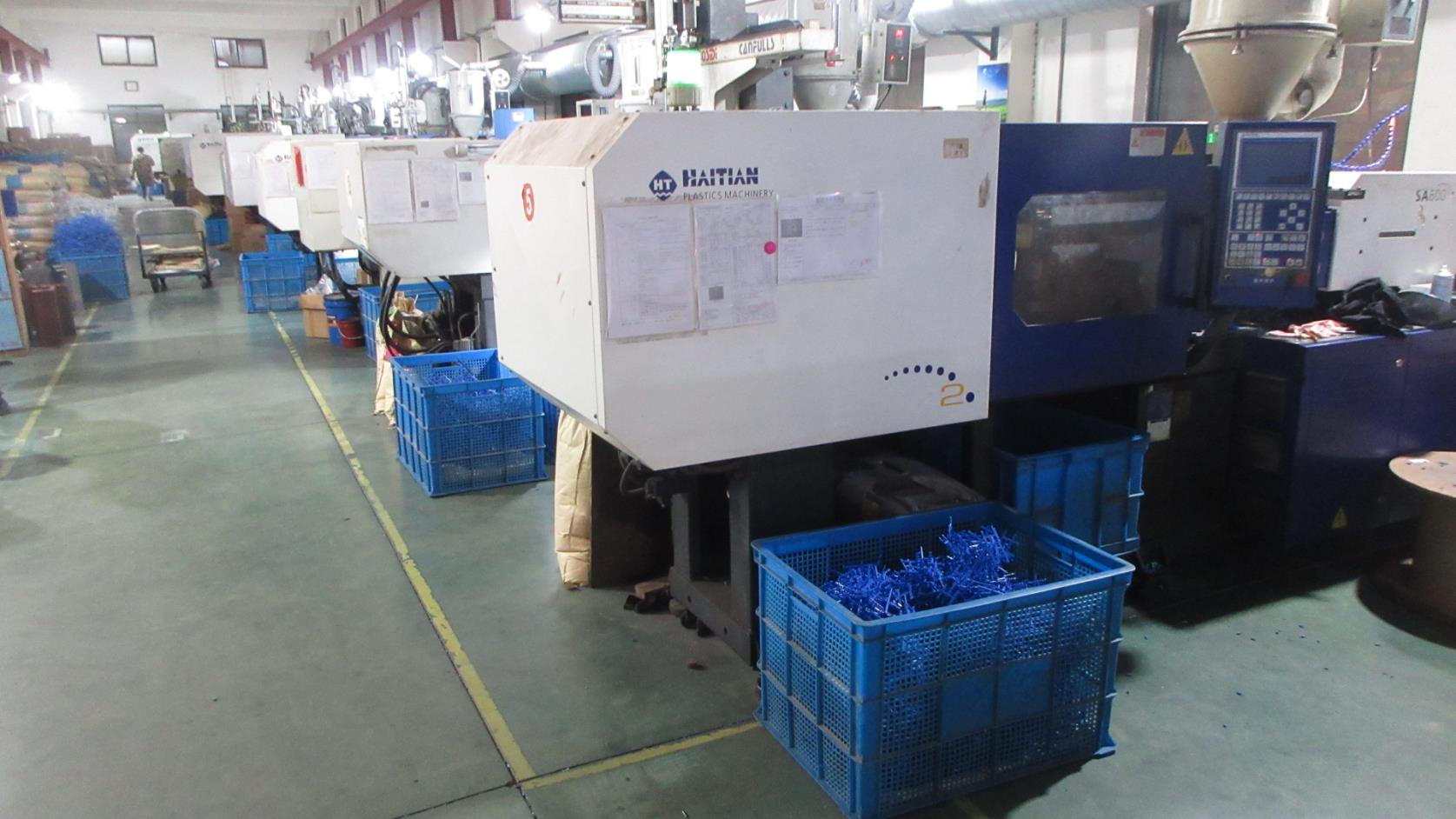
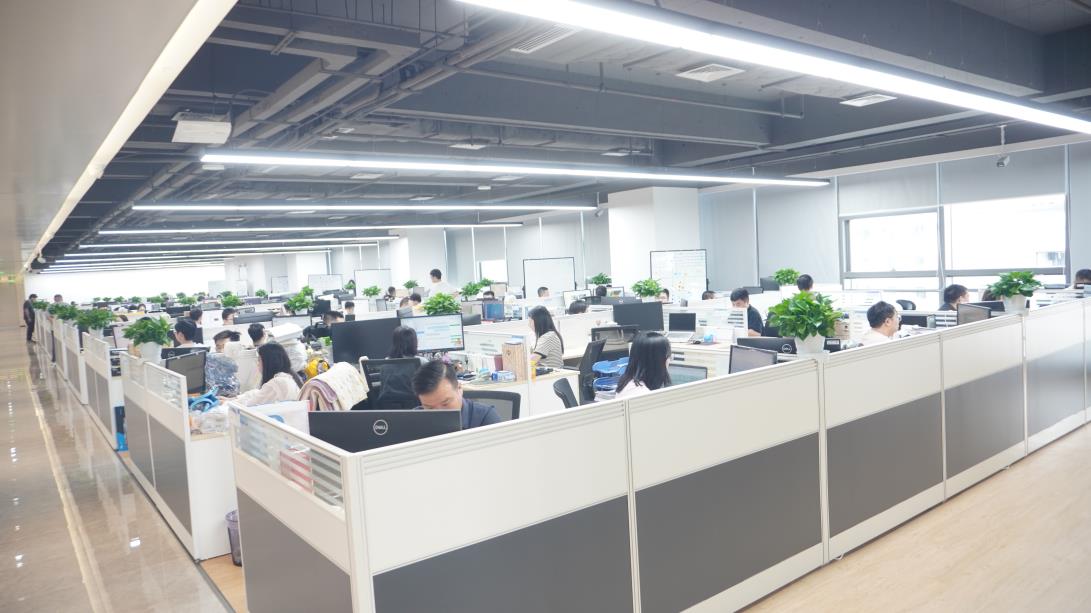
Explore our 18,600㎡ modern manufacturing campus where we combine precise automated assembly lines with comprehensive stress tests to deliver reliable performance for global AI and network operations.
Detailed answers to key engineering, integration, and logistics questions commonly asked by Korean system integrators.