Cloudion
Cloudion
Cloudion
Enterprise-grade server architectures designed to process demanding IoT workloads and real-time inference telemetry.
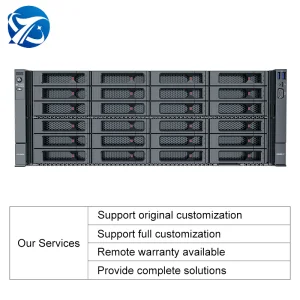
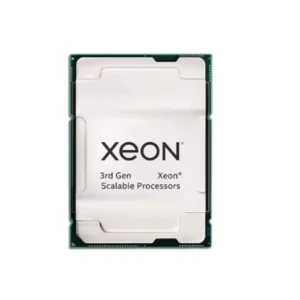
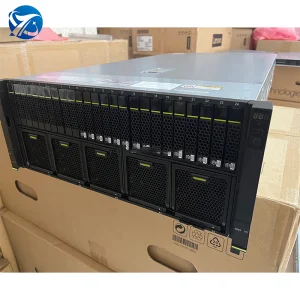

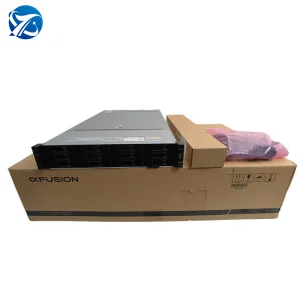
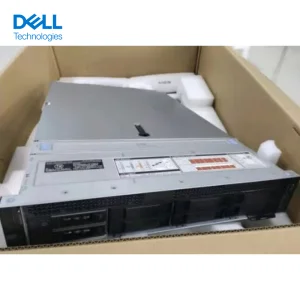
Providing the physical core and scalable GPU clusters necessary for edge telemetry, predictive maintenance, and next-generation industrial pipelines.
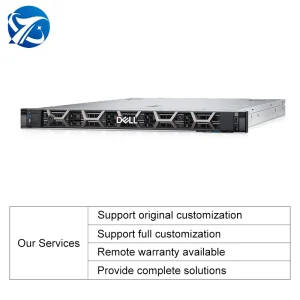
In modern computing architectures, the Internet of Things (IoT) is transitioning from simple data collection to real-time, decentralized intelligence. The proliferation of edge computing, deep learning inference, and telemetry storage has shifted infrastructure demands away from simple, low-power microcontrollers toward dense, resilient compute clusters. As a leading manufacturer of high-performance servers, Cloudion AI Systems Ltd (operating under the brand CloudionAI) stands at the intersection of this paradigm shift. By designing and manufacturing enterprise-grade AI GPU servers and robust 1U/2U rack-mount engines, we establish the back-end foundation required for scalable IoT data processing worldwide.
"The modern IoT ecosystem is only as intelligent as the servers executing its analytics. Without high-density thermal engineering and low-latency PCI Express buses, raw sensor data remains inert. CloudionAI builds the processing nodes that transform stream intelligence into actionable metrics."
Across global industries, IoT solutions are deployed in environments ranging from extreme industrial floors with high temperatures and vibrations, to massive, climate-controlled hyperscale cloud facilities. This division defines the dual technical challenges of modern IoT: edge processing capability and deep backend aggregation.
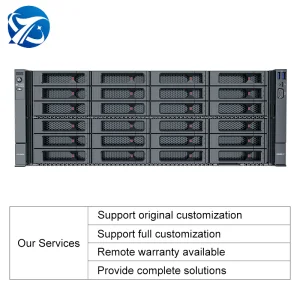
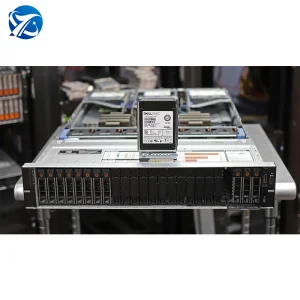
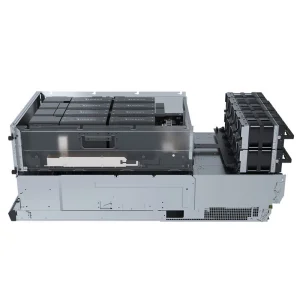
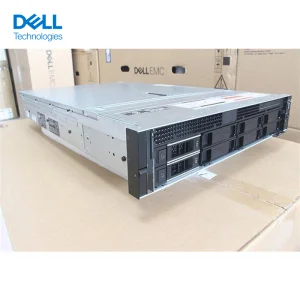
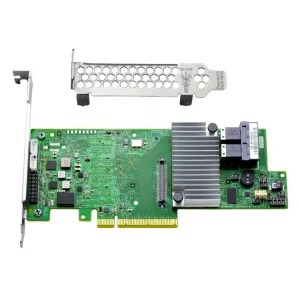
For instance, real-time autonomous systems, deep learning video analytics, and smart grid automation require localized computing units capable of localized decision-making with sub-millisecond latency. Here, systems like the xFusion G5500 V7 AI GPU Server and custom-engineered 2U server architectures act as critical edge gateways. Simultaneously, historical IoT telemetry—such as petabyte-scale time-series databases—demands highly parallel storage configurations and high-speed RAID array controller structures like the 9560-16i PCIe 4.0 controllers to protect and access historical analytical models.
Several fundamental changes are currently dictating the evolution of IoT hardware:
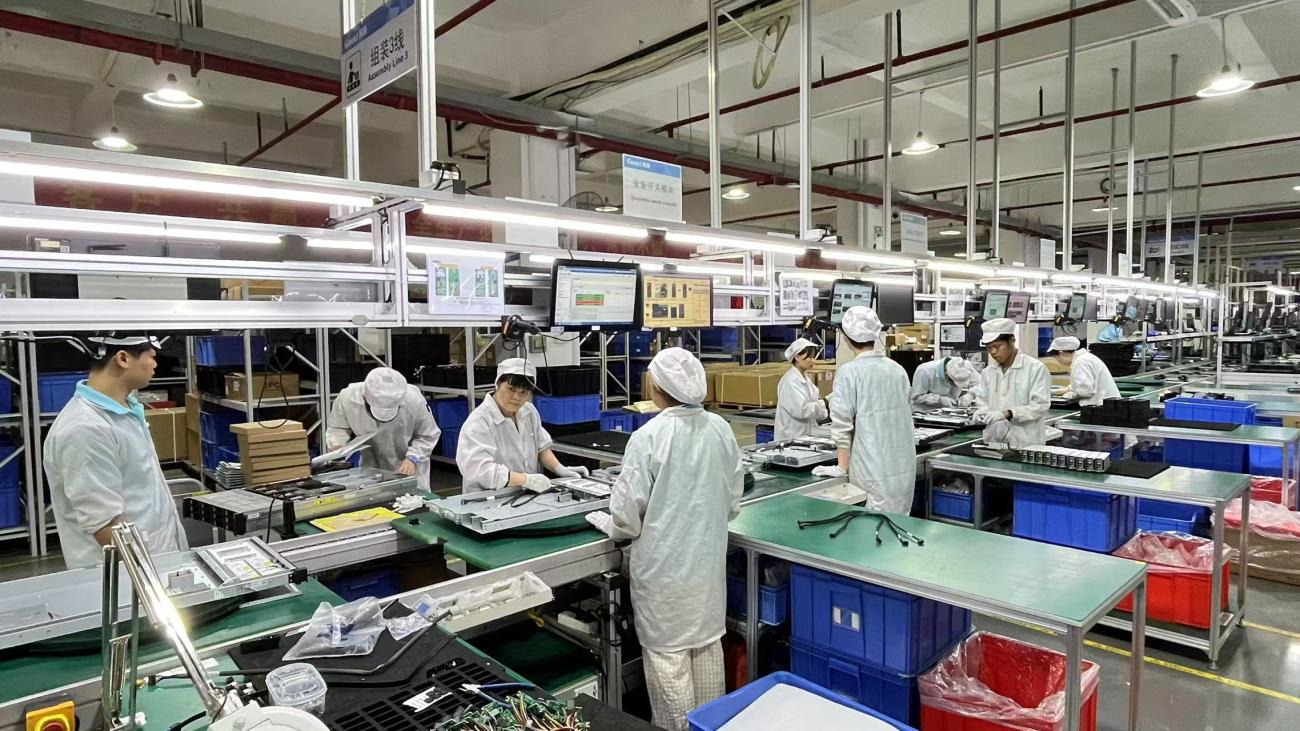
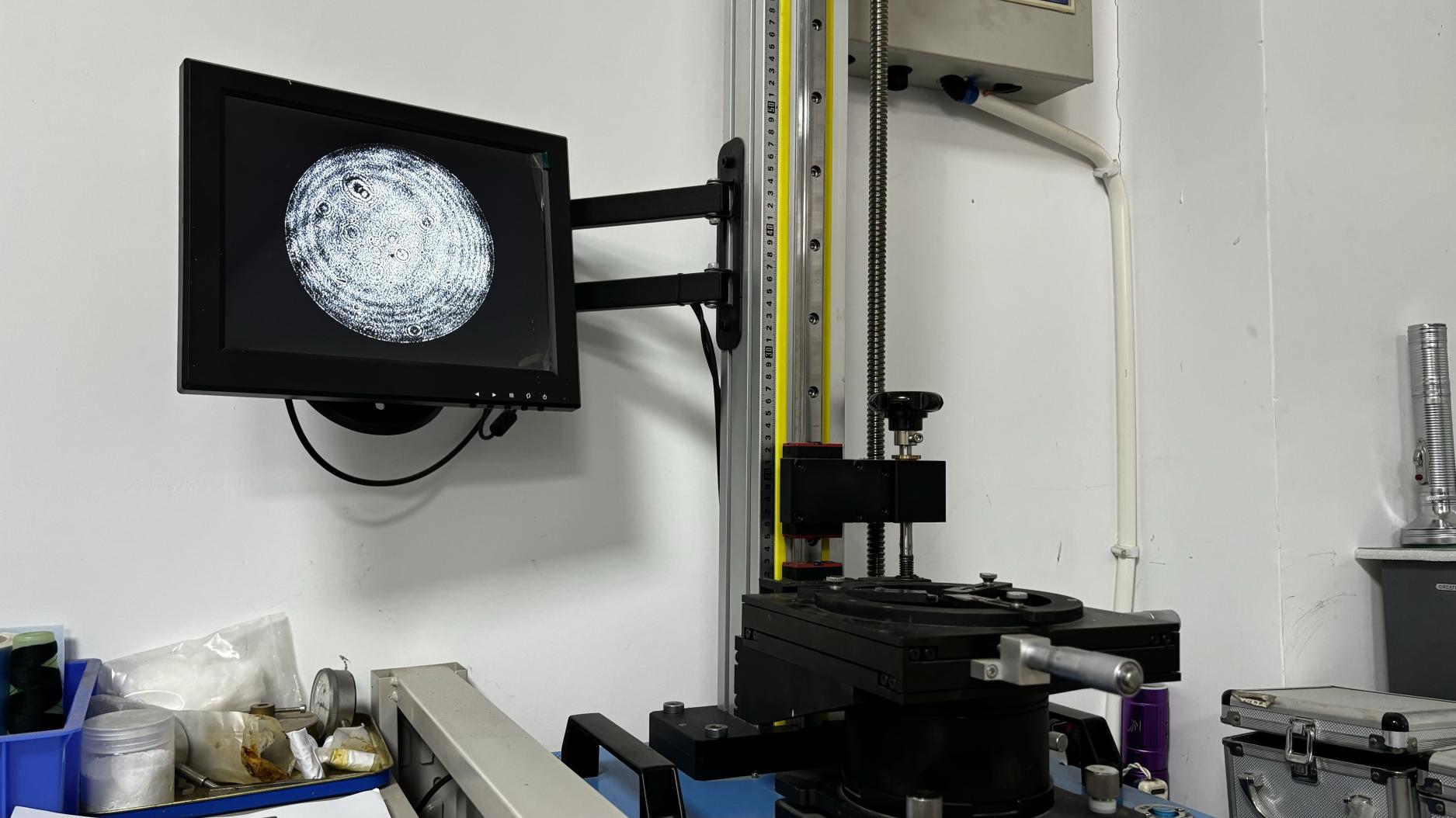
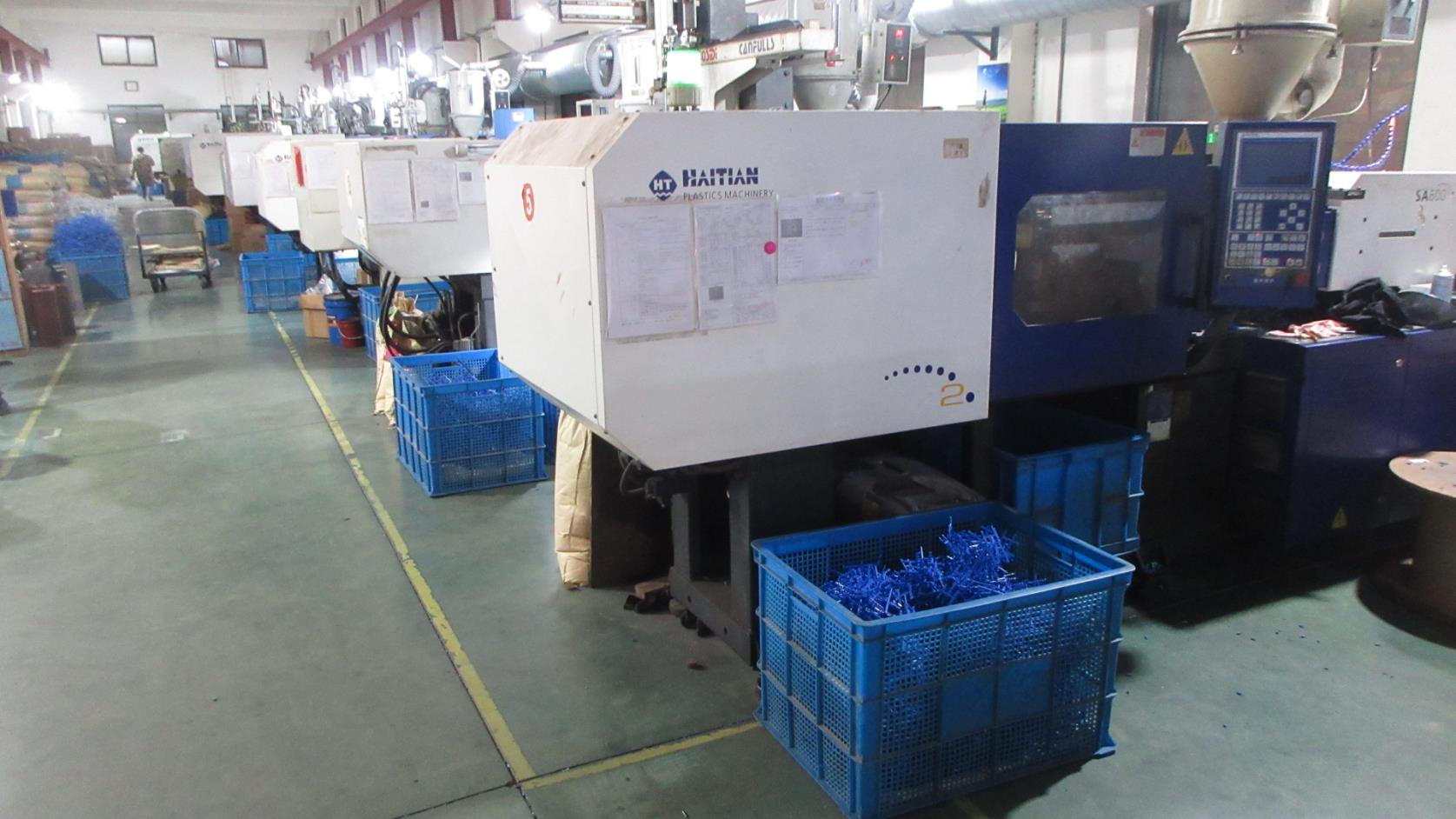
Founded in 2016, Cloudion AI Systems Ltd has established a formidable presence in the global AI hardware sector, drawing from over 12 years of industry experience and 7 years of exporting capabilities. Based in a state-of-the-art 18,600㎡ manufacturing facility, our production lines utilize automated optical inspection (AOI), hardware-in-the-loop (HIL) testing systems, and thermal burn-in stress bays.
Our comprehensive R&D division, consisting of approximately 320 specialized engineers, develops next-generation solutions tailored to custom specifications. Whether executing custom chassis variations, tailoring liquid-cooling architectures, or fine-tuning system bios, our team ensures maximum alignment with specific deployment requirements. Through strategic alliances with over 1,100 trusted upstream component and chip providers, we maintain raw material security and stable, year-round production timelines.
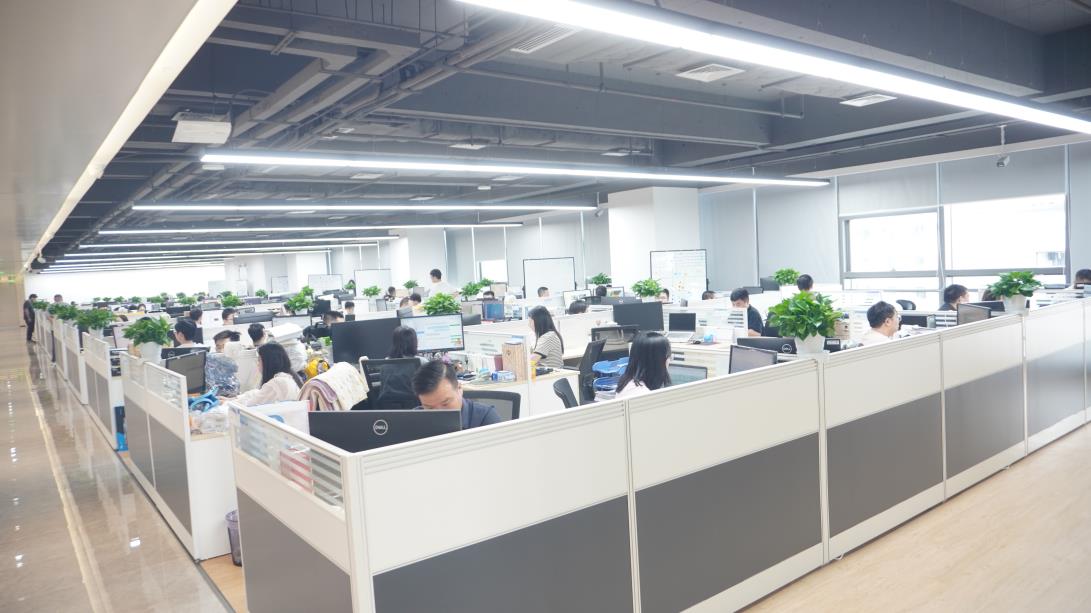
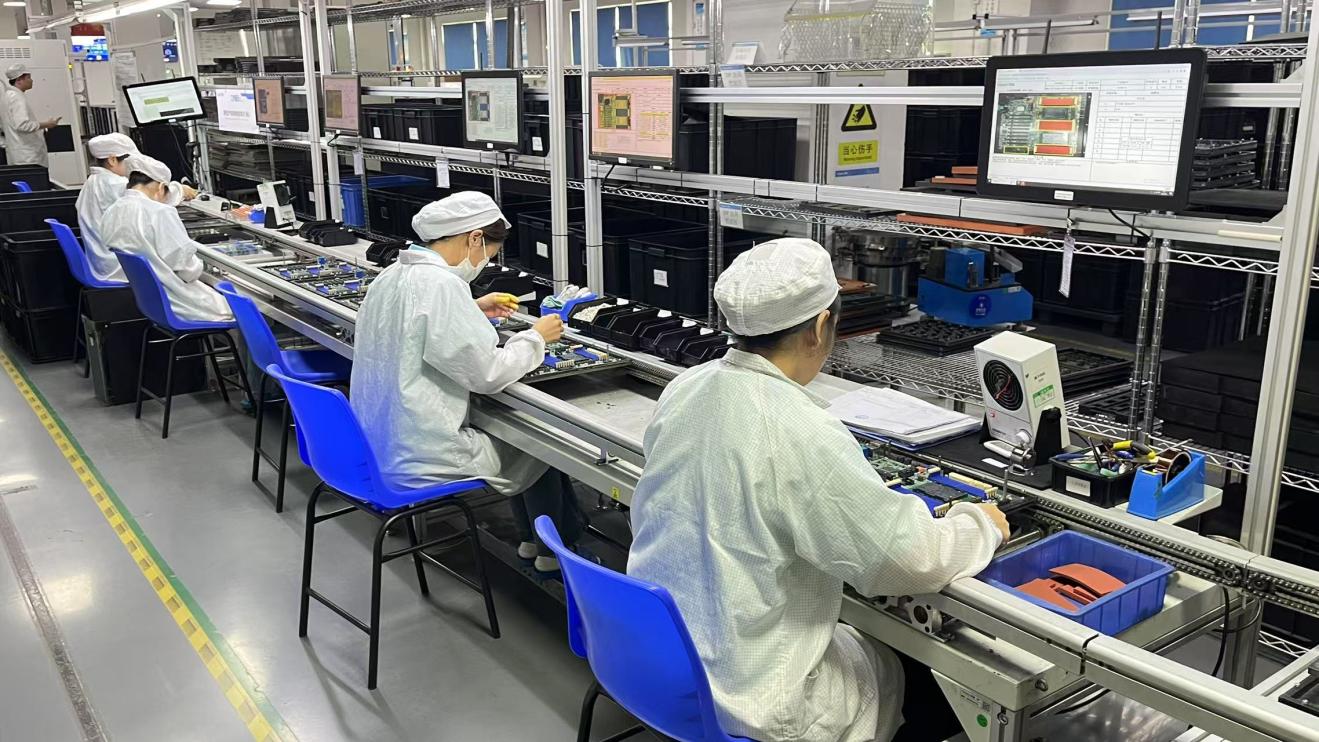
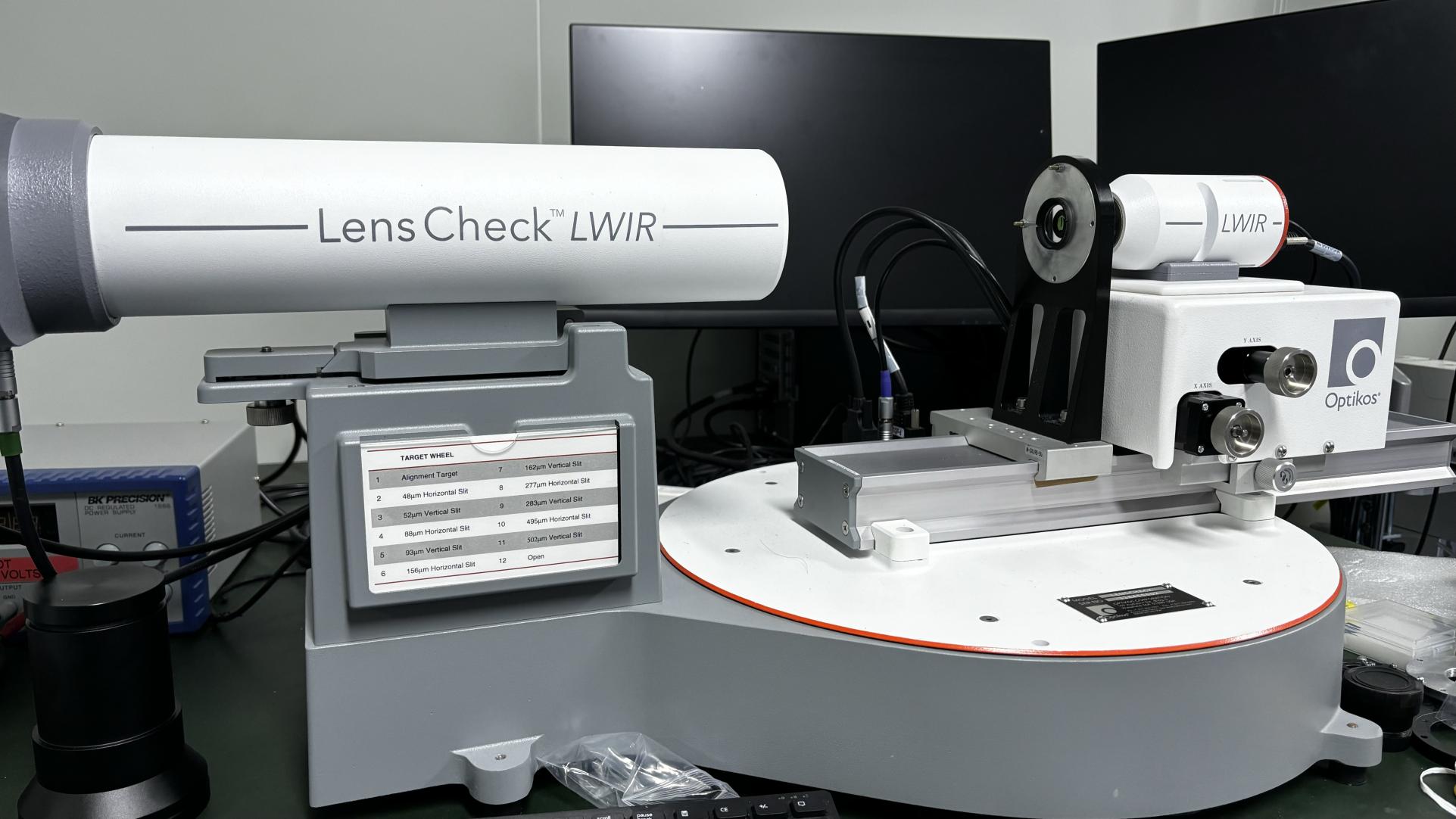
Deploying targeted, high-performance computing frameworks to accelerate modern industrial intelligence.
Utilizing high-density GPU nodes at the factory edge to execute Automated Optical Inspection (AOI). Industrial cameras send high-speed frames to local edge servers, identifying assembly defects in milliseconds, drastically reducing manual inspection costs.
Aggregating vibration, thermal, and electrical telemetry from thousands of assets into localized Xeon processing clusters. Algorithms compute degradation models dynamically to predict component failures prior to system downtime, improving factory efficiency.
Processing localized load measurements and supply metrics at utility substations. Real-time balance control ensures stable energy flow and prevents local grid overloads, balancing renewable energy imports with mechanical backup sources.
Insights from our R&D engineering division on configuration, deployment architectures, and optimization.
Traditional IoT nodes stream raw telemetry to cloud networks for analysis, causing latency and high bandwidth utilization. GPU acceleration nodes process computer vision feed patterns, natural language models, and anomaly-detection calculations locally. This yields low-latency decisions while keeping sensitive data within the factory perimeter.
Every compute unit undergoes multi-step validation protocols overseen by our 48 quality control specialists. These protocols include automated optical inspection (AOI) for structural board integrity, long-run thermal chamber burn-in testing to monitor heat dissipation boundaries, and full load system simulation to verify execution stability under maximum processing demands.
Yes, our R&D department handles extensive OEM/ODM specifications. Customizations include proprietary chassis dimensions for non-standard equipment racks, alternative cooling designs (liquid-to-air cooling manifolds), custom component layouts for specific board components, and BIOS or firmware modifications to maximize boot efficiency and processing throughput.
PCIe Gen 4 and Gen 5 pathways increase device bandwidth over prior standards. This bandwidth is crucial when multiple network channels ingest high-definition sensor telemetry simultaneously, ensuring no data loss between structural NICs, GPU memory, and system storage drives.
Robust infrastructure elements engineered to aggregate, analyze, and secure global telemetry networks.