Cloudion
Cloudion
Cloudion
High-performance computing systems optimized for DeepSeek, AI training, and enterprise-scale data centers.
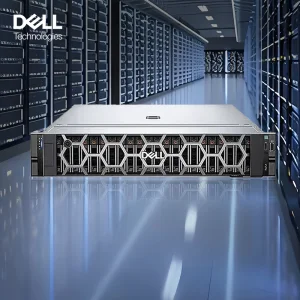
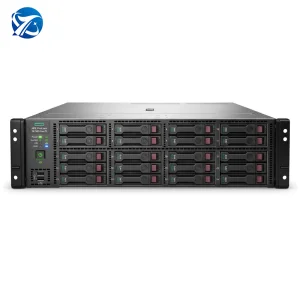
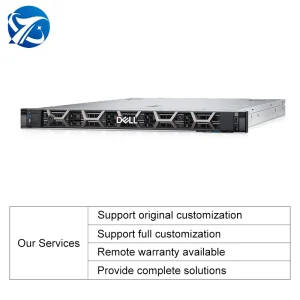
In the rapidly shifting landscape of enterprise technology, HPE (Hewlett Packard Enterprise) remains a cornerstone of data center reliability. However, the emergence of generative AI and large language models (LLMs) like DeepSeek has forced a metamorphosis in how manufacturers approach server architecture. Today’s "Top 10 HPE Solutions Manufacturers" are no longer just hardware assemblers; they are integrated solution architects focusing on E-E-A-T compliant infrastructure that balances raw power with thermal efficiency.
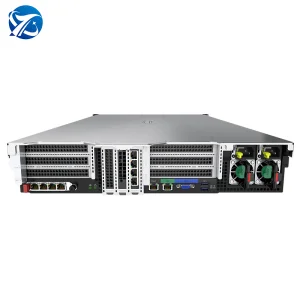
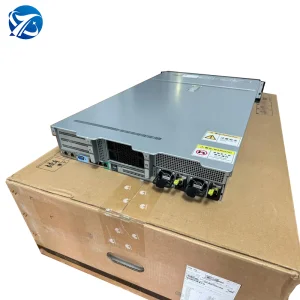
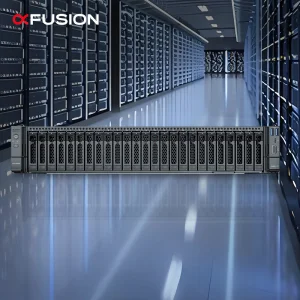
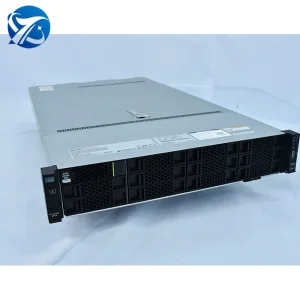
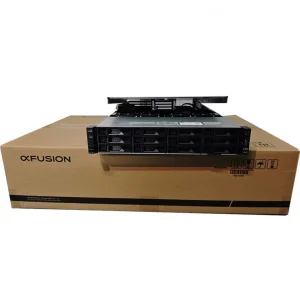
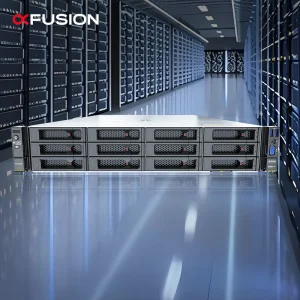
The industry is currently witnessing a massive transition toward Gen11 and V7 architectures. These systems, such as the HPE ProLiant DL380 Gen11 and xFusion FusionServer 2488H V7, leverage PCIe 5.0 and DDR5 memory to eliminate bottlenecks that previously stifled AI inference and deep learning workloads. For global enterprises, the "Information Gain" lies in understanding that these servers are not merely faster—they are smarter, featuring integrated AI-driven management tools like HPE iLO 6 or xFusion’s intelligent power management.
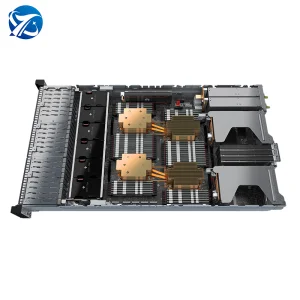
Specialized GPU servers designed for massive datasets. The surge in DeepSeek R1 optimization demands high-density GPU nodes with liquid-cooled options to maintain peak performance during 24/7 training cycles.
Modern HPE solutions bridge the gap between on-premise security and cloud scalability. Manufacturers are now prioritizing "short depth" rack designs for edge computing and cloud-integrated firmware.
With global semiconductor fluctuations, top-tier manufacturers like CloudionAI and xFusion have diversified their upstream partnerships to ensure consistent lead times for Xeon and GPU components.
Procurement departments at Fortune 500 companies are shifting their focus from initial CAPEX (Capital Expenditure) to long-term TCO (Total Cost of Ownership). This involves a rigorous evaluation of power-to-performance ratios. Manufacturers are responding by offering more granular customization—what we call "Semantic Procurement." Instead of buying a standard SKU, enterprises are requesting "DeepSeek Optimized Nodes" or "Liquid Cooled High-Density Clusters."
Increase in AI Workload Efficiency
Upstream Supply Partners
Quality Standard Compliance
The integration of HPE solutions into smart cities, medical imaging, and financial modeling requires more than just hardware. It requires Local Support & Compliance. Manufacturers must navigate GDPR in Europe, HIPAA in healthcare, and various cybersecurity frameworks. This is where the E-E-A-T of a manufacturer like CloudionAI becomes critical—7 years of export experience ensures that every unit shipped meets local voltage, safety, and data privacy regulations.
The future of HPE-compatible solutions is inextricably linked to Modular Design. As we look toward 2026, the industry is moving toward "disaggregated hardware," where compute, storage, and networking can be upgraded independently within the same chassis. This reduces e-waste and maximizes the lifespan of the physical investment.
Cloudion AI Systems Ltd is a high-performance AI GPU server manufacturer dedicated to delivering next-generation computing infrastructure for global AI workloads. Built under the brand CloudionAI (https://cloudionai.com), the company specializes in scalable GPU server architectures designed for deep learning, model training, inference acceleration, and cloud data center deployment.
Founded in 2016, Cloudion AI Systems Ltd has developed a strong reputation in the global AI hardware industry, supported by years of engineering expertise and continuous innovation in high-density computing systems. The company operates a modern manufacturing facility covering approximately 18,600㎡, equipped with advanced assembly lines, automated testing systems, and precision engineering workshops to ensure consistent product quality and performance stability.
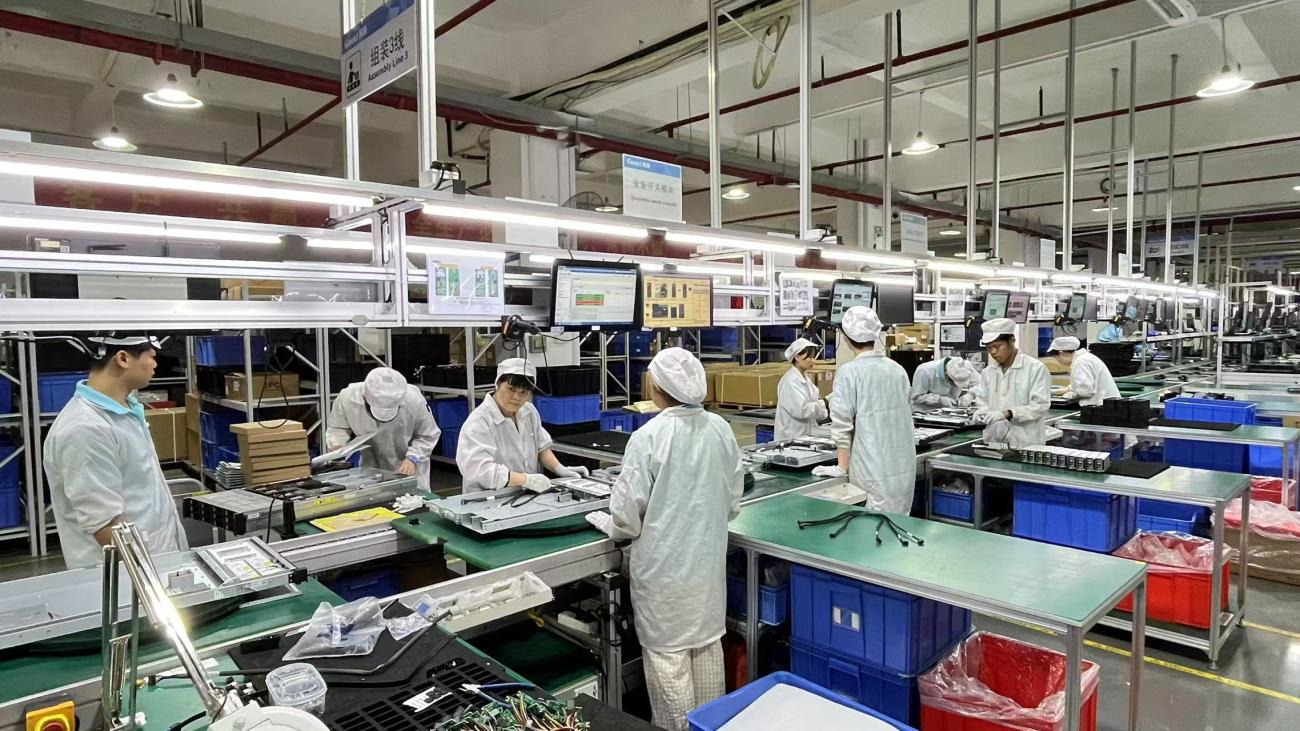
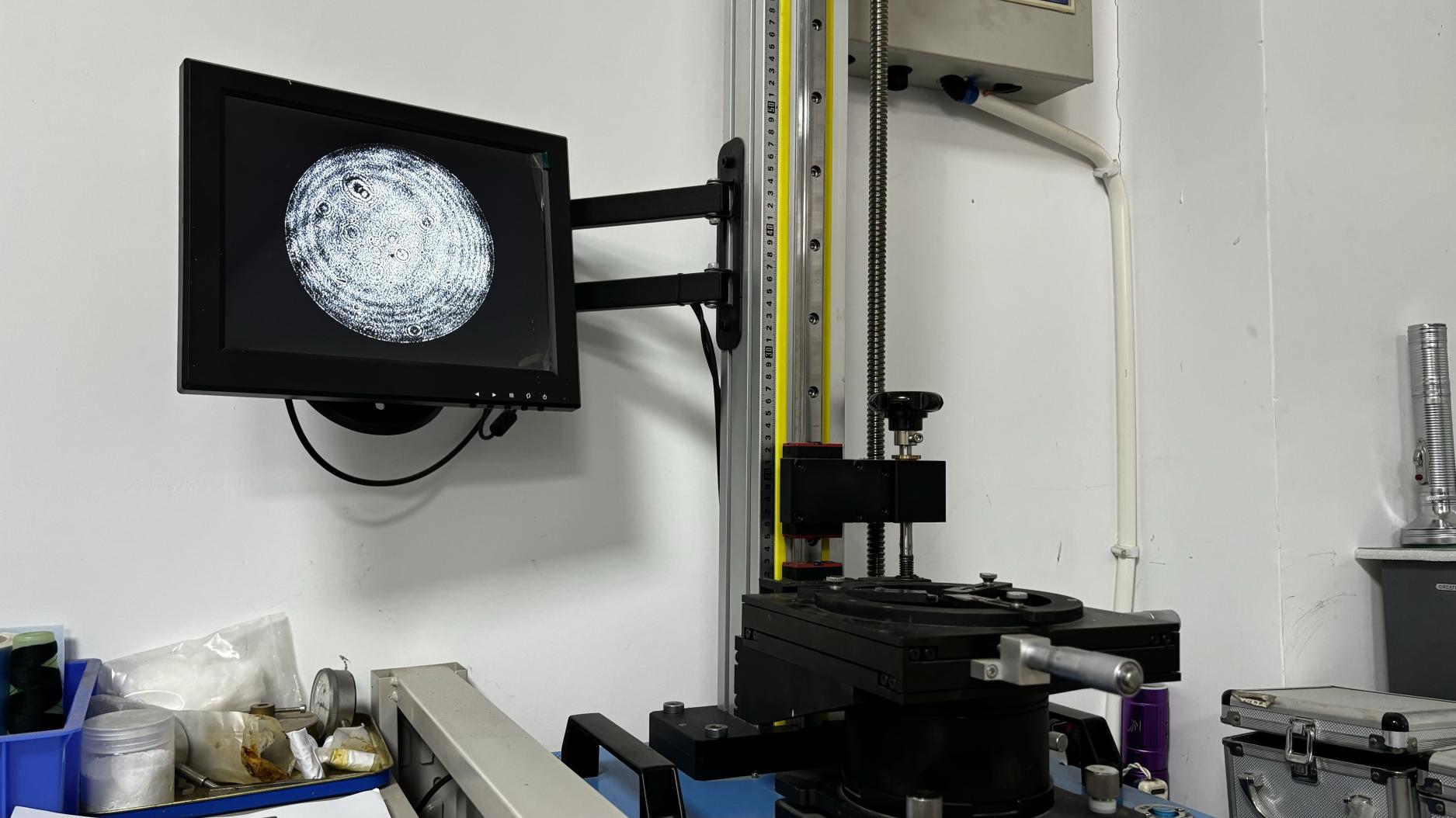
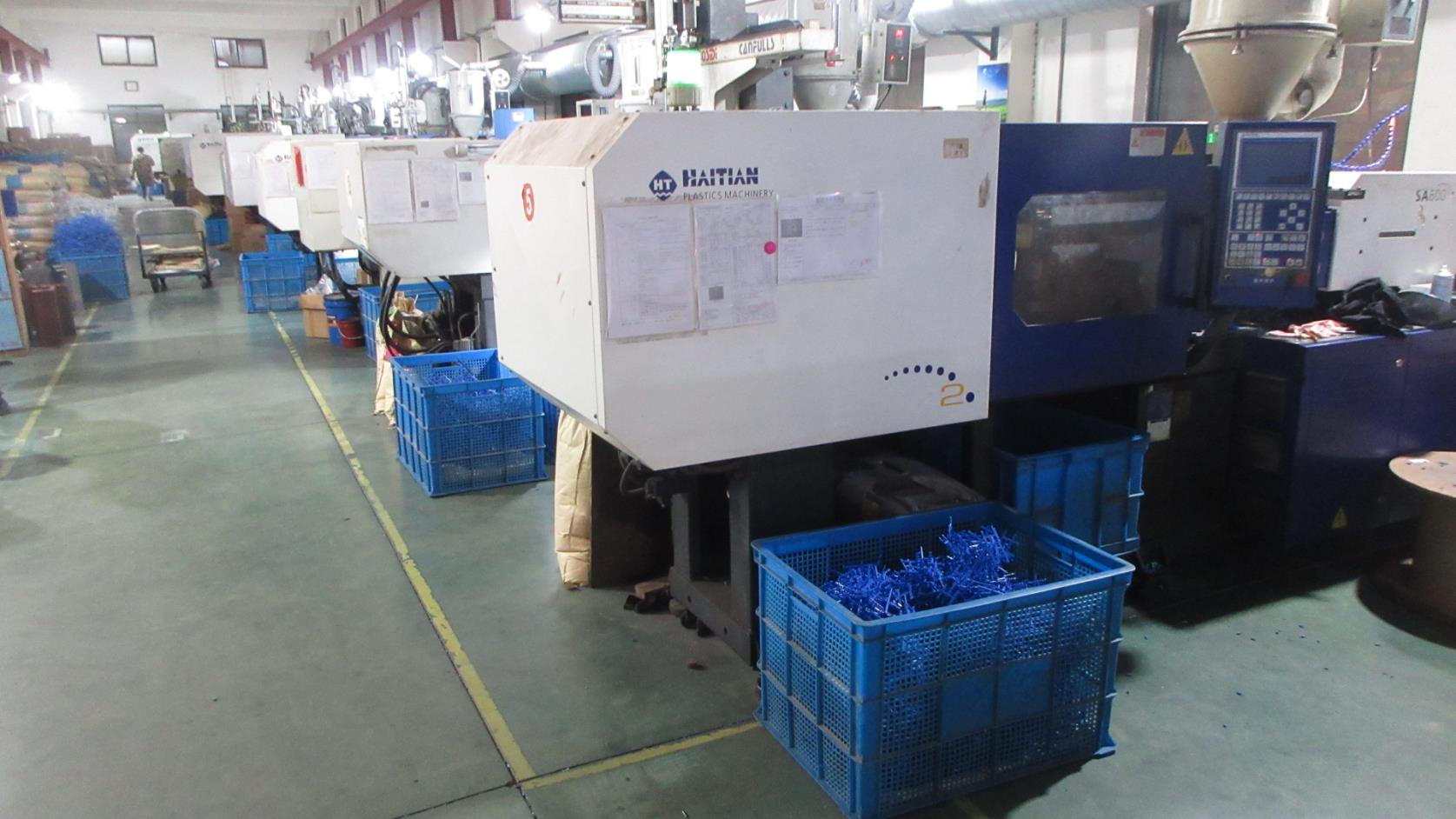
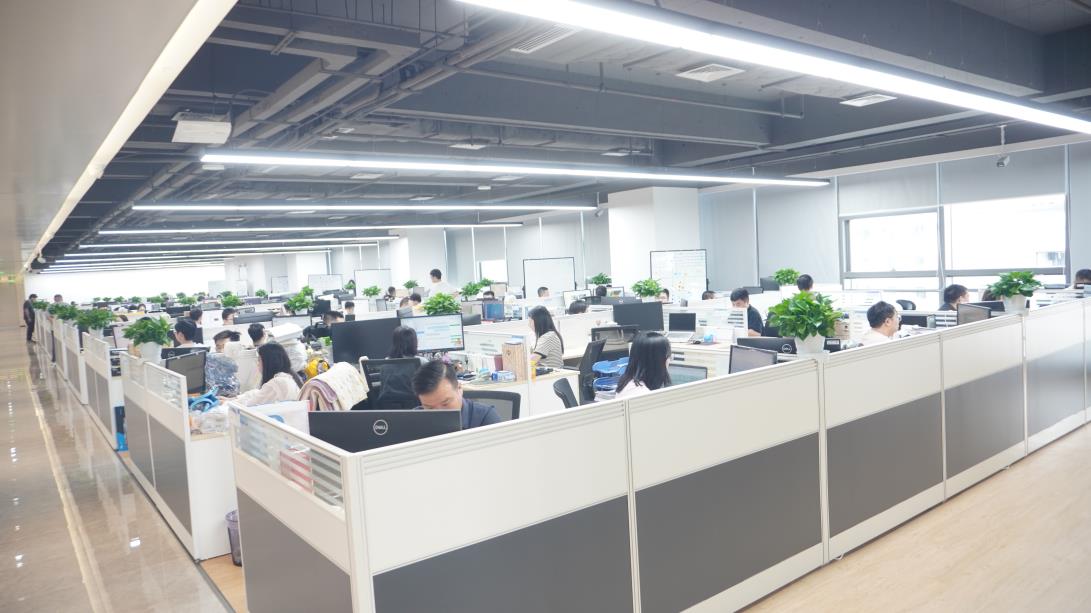
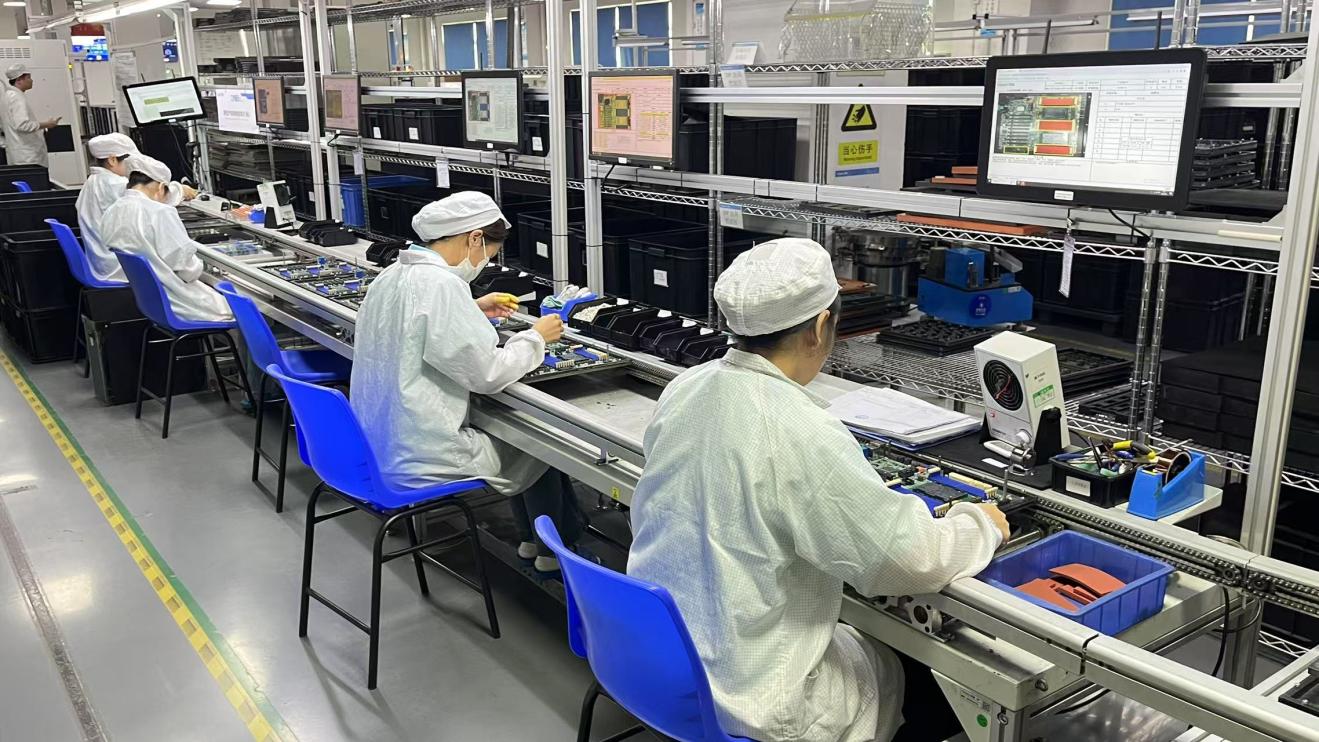
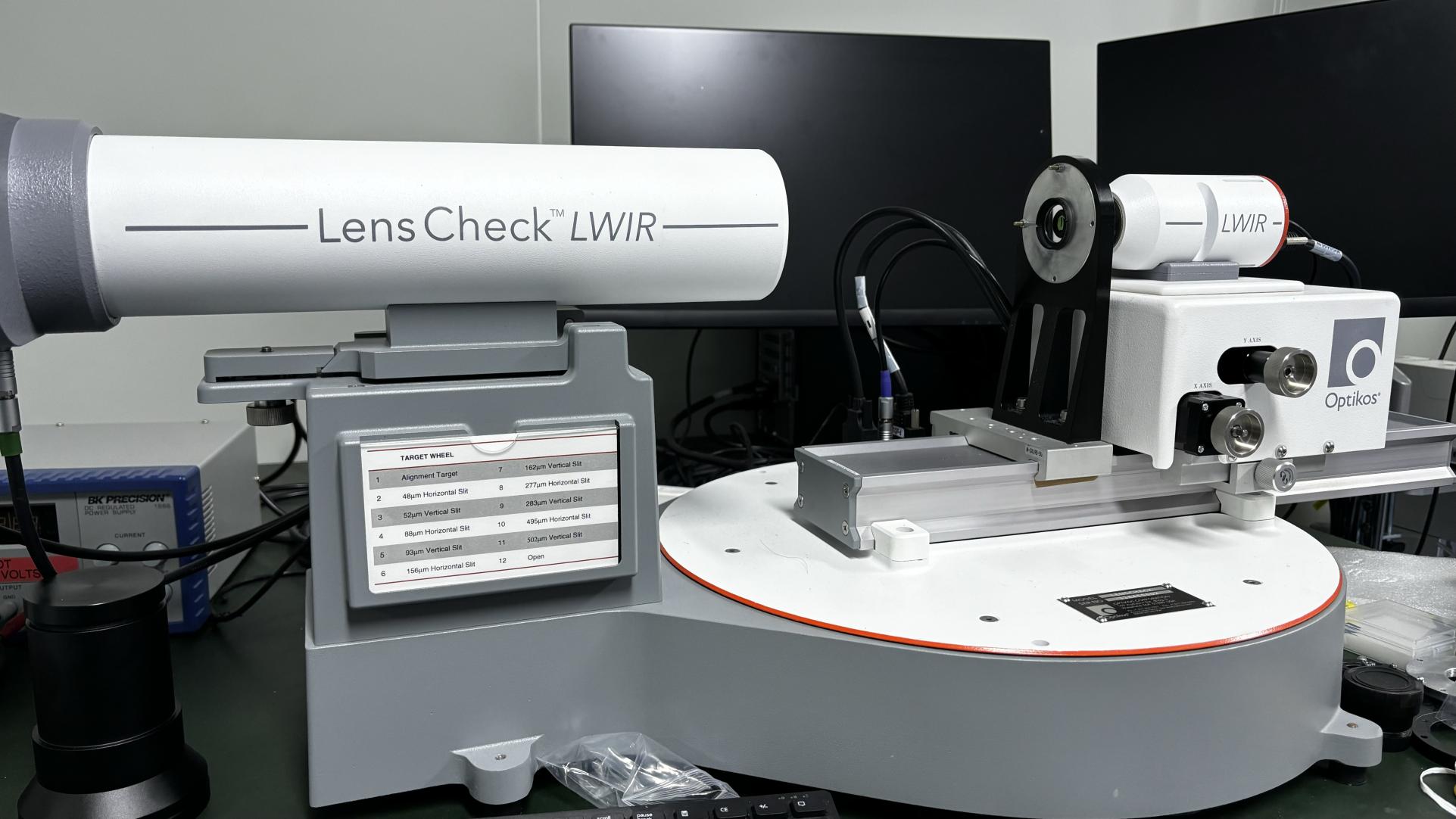
With annual export revenue exceeding USD 12 million, CloudionAI serves international markets across North America, Europe, and Southeast Asia. The company has accumulated 7 years of export experience and over 12 years of industry expertise in high-performance computing and server infrastructure. Quality assurance is strictly enforced through ISO-based quality management systems, thermal stress testing, burn-in testing, and full system load validation.
Customization options include chassis design, GPU configuration, power architecture optimization, thermal system engineering, and firmware-level tuning. In the past year, CloudionAI launched 86 new products, reflecting its strong innovation pipeline. The R&D department consists of approximately 320 engineers specializing in AI hardware design and thermal management.
HPE Gen11 servers utilize the latest Intel Xeon Scalable processors with PCIe 5.0, providing double the bandwidth of Gen10. This is crucial for GPU-to-CPU communication in AI training and large-scale virtualization.
xFusion FusionServers, like the 2488H series, offer high-density 4-socket configurations in a 2U space, often providing better compute density and cost-efficiency for cloud service providers (CSPs) compared to standard 2-socket models.
Yes. Manufacturers like CloudionAI offer ODM services to optimize BIOS settings, GPU thermal throttling limits, and NVMe storage tiers specifically for LLM inference workloads like DeepSeek R1.
While industry standard is 4-8 weeks, manufacturers with robust supply chains (1,100+ partners) can often provide stock units or customized builds within 2-4 weeks depending on the GPU availability.
Essential components and specialized AI servers for the modern enterprise ecosystem.