Cloudion
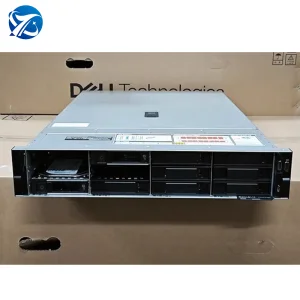
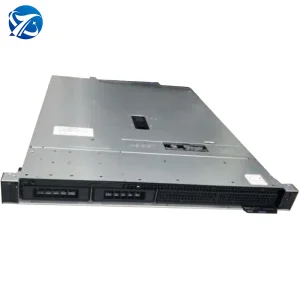
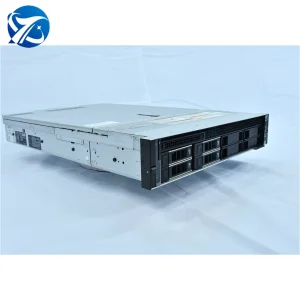
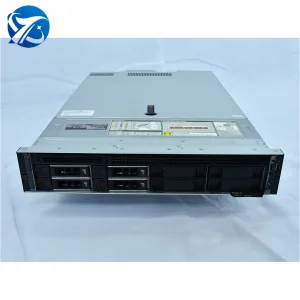
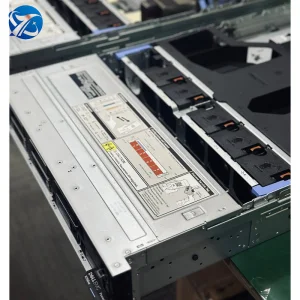
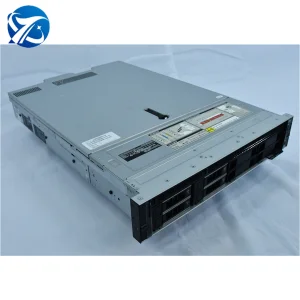
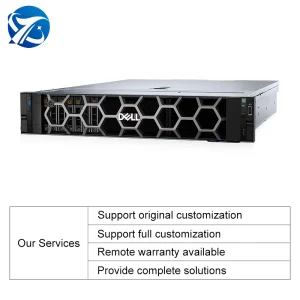
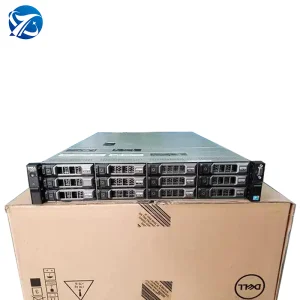
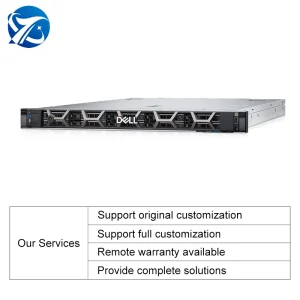
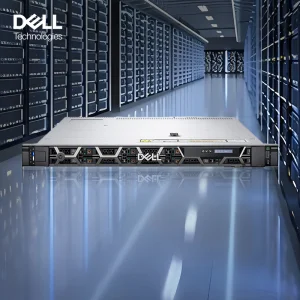
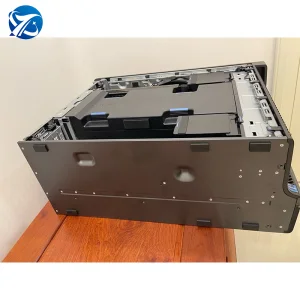
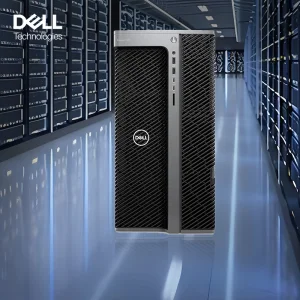
These four platform families are frequently requested by Novosibirsk buyers evaluating Dell server manufacturers and suppliers serving Novosibirsk for virtualization, database, HPC, AI inference and storage-rich enterprise workloads. Each product link below preserves the original catalogue URL for direct technical review and inquiry.
Understanding why Novosibirsk requires a more engineering-led Dell PowerEdge procurement process than a simple price request.
Novosibirsk is often underestimated by global infrastructure buyers because it sits far from Moscow, but the city is one of Russia’s most concentrated science, engineering and logistics markets. It is home to Akademgorodok, the Siberian Branch of the Russian Academy of Sciences, Novosibirsk State University, Novosibirsk State Technical University and a dense community of software, industrial automation and research organisations. For Dell PowerEdge-class servers, this translates into demand that is not merely generic web hosting. Buyers need simulation clusters, AI training and inference nodes, virtualization platforms, data analytics systems, storage-rich servers and edge systems that can operate across distributed industrial sites.
The surrounding industrial economy is shaped by energy generation, mining services, rail and freight logistics, oil and gas support, machinery, agribusiness, healthcare, higher education and public infrastructure. These sectors approach server procurement with different priorities. A research institute may prioritise floating-point performance, GPU density and high-speed storage. A rail or logistics operator may focus on availability, database performance, virtualization consolidation and remote management. An energy or mining group may require ruggedized edge deployment, long lifecycle support and disciplined spare-parts planning. A healthcare provider may place stronger emphasis on data protection, imaging workloads and continuity of service.
Search demand for Dell server manufacturers and suppliers serving Novosibirsk usually reflects a high-intent buyer. The buyer is not only comparing part numbers. The buyer is evaluating four risks: workload fit, power and cooling headroom, import and compliance documentation, and lifecycle support. A credible supplier should be able to discuss memory topology, PCIe expansion, storage backplanes, NIC selection, firmware consistency, thermal validation and service strategy — not just quote a chassis model.
Novosibirsk’s climate creates a specific infrastructure profile. Cold winters can support more efficient free-cooling strategies, but they also demand resilient logistics, condensation management, commissioning discipline and stable power planning. The city’s distance from major supply hubs increases the value of pre-shipment burn-in, full-load validation and spare-parts foresight. For AI and HPC deployments, power density and rack-level thermal design become board-level decisions, not facilities decisions made after the servers arrive.
Semantic search intent for “Dell server suppliers Novosibirsk” is usually commercial investigation. The most useful supplier response is evidence-based configuration guidance.
Define CPU-to-memory balance, PCIe lanes, GPU support, storage backplane and network throughput before choosing a model. R760XS, R760, R760XD2, R660XS and R960 each serve different density and expansion profiles.
Novosibirsk data centers and industrial server rooms must plan for PSU redundancy, UPS behaviour, rack airflow, winter commissioning and future GPU or storage expansion without destabilising the platform.
Separate hot data, backup, archive and analytics tiers. Validate RAID strategy, NVMe endurance, HBA/RAID compatibility and restore testing rather than assuming drive capacity equals data resilience.
Use validated firmware baselines, consistent driver stacks and documented BIOS settings. This reduces troubleshooting time during deployment across mixed fleets in distributed Siberian locations.
Clarify customs classification, certification documents, data protection obligations and contractual support boundaries before shipment. Requirements should be confirmed with qualified local counsel.
Request burn-in reports, load-test summaries, inspection records and spare-parts recommendations. A lower unit price can be offset by commissioning delays or unplanned downtime.
Dell PowerEdge platforms can be positioned against specific local workloads rather than generic “server” requirements.
Simulation, genome analysis, climate modelling, materials research and AI experiments benefit from balanced CPU nodes, GPU acceleration, high-bandwidth memory and parallel storage. R760, R760XS and R960 configurations can support departmental clusters and shared research infrastructure.
Seismic interpretation, geological modelling, digital twins and operational analytics demand reliable compute with strong serviceability. Storage-rich 2U systems and 4U R960 platforms can be matched to data-intensive modelling flows.
Novosibirsk sits on major transport corridors. Logistics operators require transaction processing, route analytics, warehouse management, virtualization and resilient database nodes with predictable support processes.
Demand forecasting, fraud detection, customer analytics, VDI and database consolidation are well suited to 1U and 2U PowerEdge configurations where rack density, serviceability and uptime are critical.
PACS imaging, e-learning platforms, research data management and administrative systems require disciplined backup, access control and lifecycle planning. Mixed CPU and storage configurations often fit better than one oversized platform.
Remote sites need compact 1U systems, limited power envelopes, remote management and robust spare-parts planning. R260, R350, R660 and R660XS families can support edge virtualization and local inference.
Novosibirsk procurement is connected to global AI infrastructure, supply-chain and energy realities.
Global enterprise AI adoption is increasing demand for GPU-capable servers, high-speed interconnect and power-aware rack design. Local buyers should future-proof power shelves, cooling and networking rather than only sizing for today’s inference model.
Organisations increasingly combine on-premises systems with cloud services. Data locality, backup boundaries and workload placement influence whether a PowerEdge system is deployed as a private-cloud node, edge platform or shared research resource.
Electricity and cooling costs influence total cost of ownership. Modern DDR5 platforms, high-efficiency PSUs, airflow optimisation and monitoring can improve efficiency, but only when matched to actual utilisation.
Component lead times, memory pricing and storage availability can change quickly. Suppliers with OEM/ODM experience and broad upstream partnerships can help buyers stage configurations and avoid over-specifying unavailable parts.
Secure boot, firmware integrity, role-based management, network segmentation and backup isolation should be designed into the platform. These controls matter for research data, healthcare records and industrial operations.
As AI and HPC density rises, thermal engineering becomes a strategic decision. Novosibirsk projects should evaluate rack power envelopes, coolant readiness, service access and phased adoption before committing to maximum density.
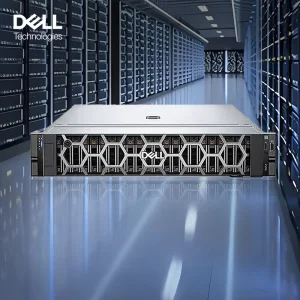
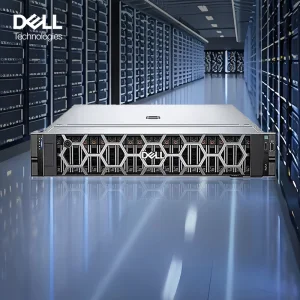
Storage-intensive, GPU-ready and high-expansion systems for buyers comparing multiple PowerEdge families before issuing an inquiry.
A Novosibirsk deployment needs commercial documentation, technical validation and service planning that extend beyond the server datasheet.
Memory, storage, NIC, RAID and firmware options should be configured and documented. Burn-in testing, thermal stress testing and full system load validation reduce commissioning risk before the system leaves the factory.
Plan spare disks, PSUs, fans, transceivers and memory modules according to workload criticality. Remote diagnostics and RMA coordination are more effective when asset records and firmware baselines are complete.
Documentation may include commercial invoice, packing list, HS classification, conformity and safety/EMC documentation as applicable. Data-localisation and information-security obligations under local law should be reviewed with qualified advisers.
Implement backup isolation, access control, secure boot, management-network segmentation and monitoring. For research, healthcare and industrial data, compliance is a system-level design requirement, not a server accessory.
Compliance note: customs, certification, data-protection and export-control requirements depend on product configuration, end use and documentation. CloudionAI recommends written confirmation with qualified local legal, customs and security advisers before shipment.
How the original product range can be mapped to practical, location-specific infrastructure requirements.
A mix of R760XS compute nodes, R760 storage-rich nodes and R960 4U platforms can support shared HPC, research data lakes, container platforms and AI experimentation across departments.
Data-intensive modelling runs benefit from DDR5 memory, high-core-count CPUs, NVMe scratch storage and resilient backup. R760XD2 and R960 configurations are relevant where storage depth and expansion matter.
Warehouse management, route optimisation, EDI processing and operational dashboards require predictable database performance, virtualization density and clean failover procedures.
Sales forecasting, inventory modelling and video-adjacent metadata workloads can be consolidated on 2U platforms with balanced storage and network, while 1U R660XS nodes support dense virtualization.
PACS, image archives and clinical applications demand backup discipline, access control and predictable restore testing. Storage-rich servers and isolated backup targets are often more important than peak CPU speed.
Remote mining, energy and factory sites can use compact 1U servers for local inference, data buffering and gateway services, with central policy control and a spare-parts plan for winter logistics.
A practical, multi-year view for buyers who want to avoid stranded capacity while keeping deployment risk under control.
Standardise on DDR5 platforms, validated firmware baselines and PCIe 5 expansion planning. Improve backup, monitoring and rack documentation before adding high-density AI nodes.
Separate training and inference capacity, evaluate GPU-ready power shelves and prepare network upgrades. Storage tiers should be rebalanced for models, datasets and checkpoints.
Adopt power-aware scheduling, airflow optimisation and liquid-cooling readiness where density justifies it. Digital twin models can help plan rack power and cooling changes before deployment.
Expect stronger confidential-computing requirements, automated remediation, lifecycle analytics and circular asset planning. Procurement should evaluate serviceability and firmware support longevity.
Company evidence for buyers evaluating a long-term AI, GPU and enterprise server supply partner for Novosibirsk projects.
Cloudion AI Systems Ltd is a high-performance AI GPU server manufacturer dedicated to delivering next-generation computing infrastructure for global AI workloads. Built under the brand CloudionAI (https://cloudionai.com), the company specializes in scalable GPU server architectures designed for deep learning, model training, inference acceleration, and cloud data center deployment.
Founded in 2016, Cloudion AI Systems Ltd has developed a strong reputation in the global AI hardware industry, supported by years of engineering expertise and continuous innovation in high-density computing systems.
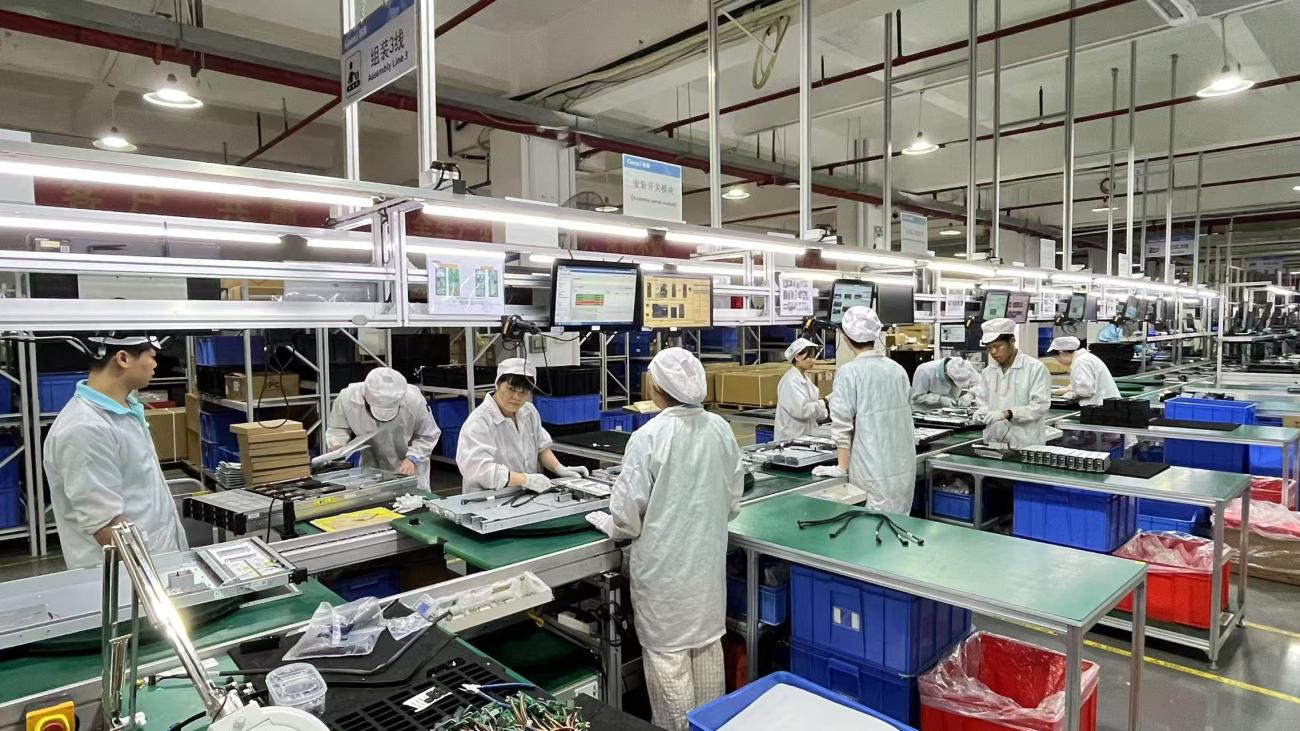
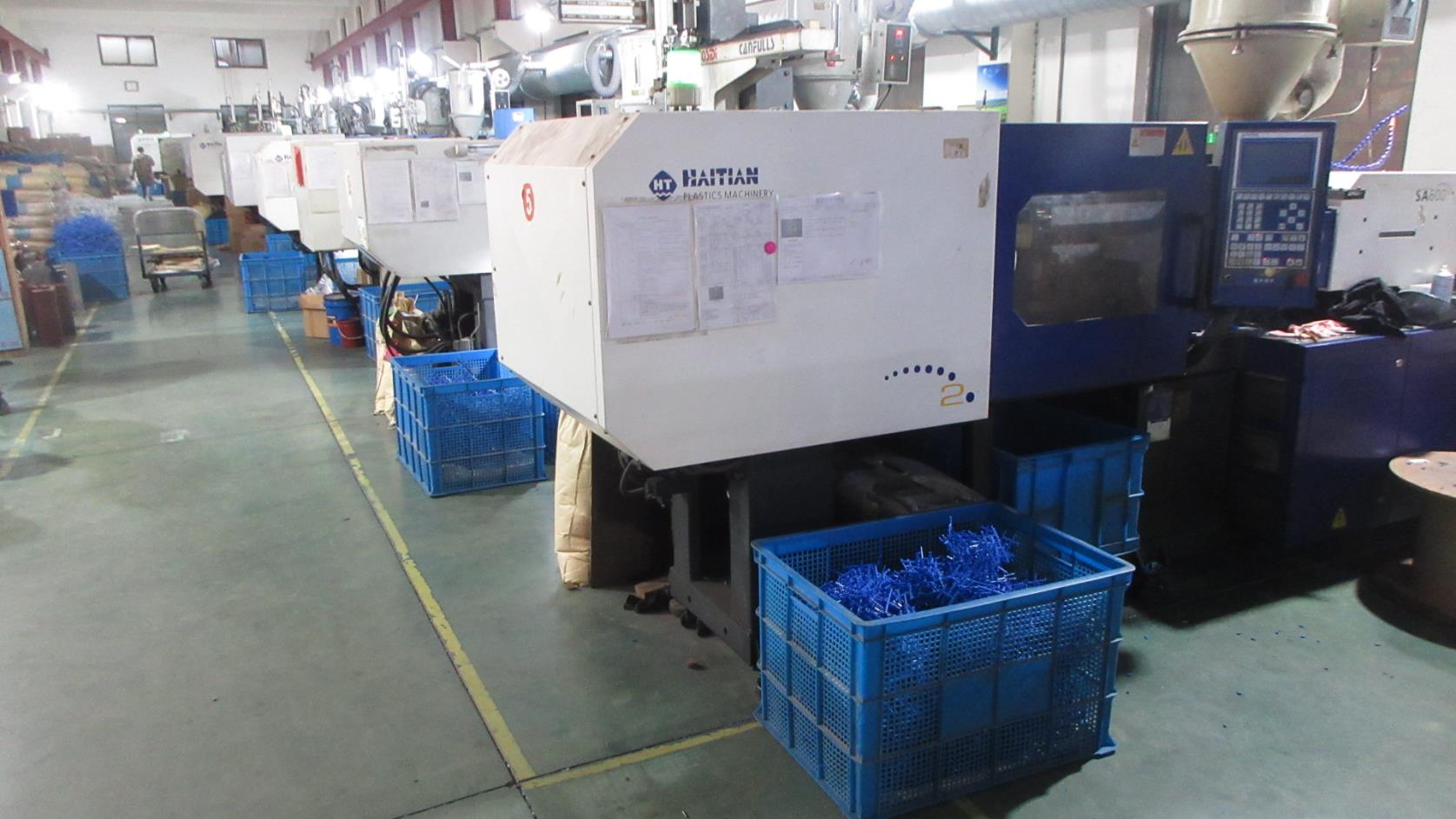
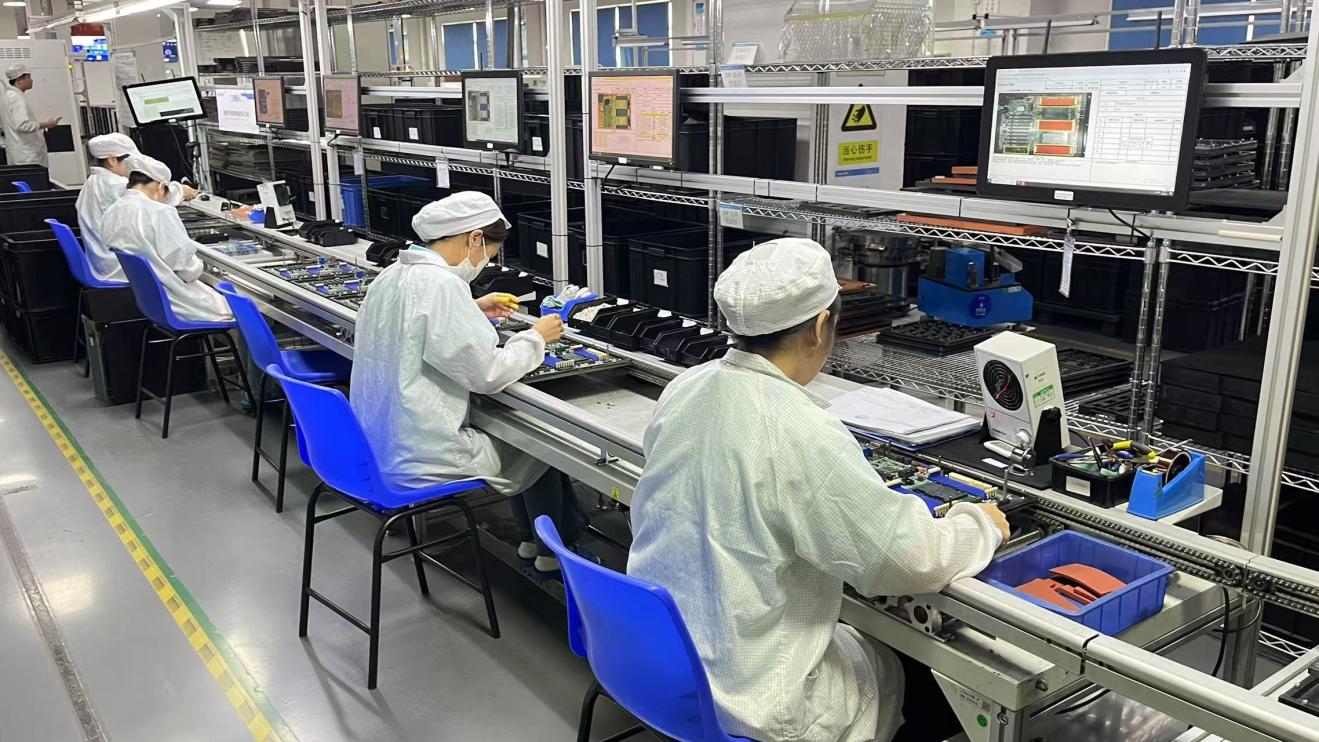
The company operates a modern manufacturing facility covering approximately 18,600㎡, equipped with advanced assembly lines, automated testing systems, and precision engineering workshops to ensure consistent product quality and performance stability.
With annual export revenue ranging from USD 12 million, CloudionAI serves international markets across North America, Europe, and Southeast Asia. The company has accumulated 7 years of export experience and over 12 years of industry expertise in high-performance computing and server infrastructure.
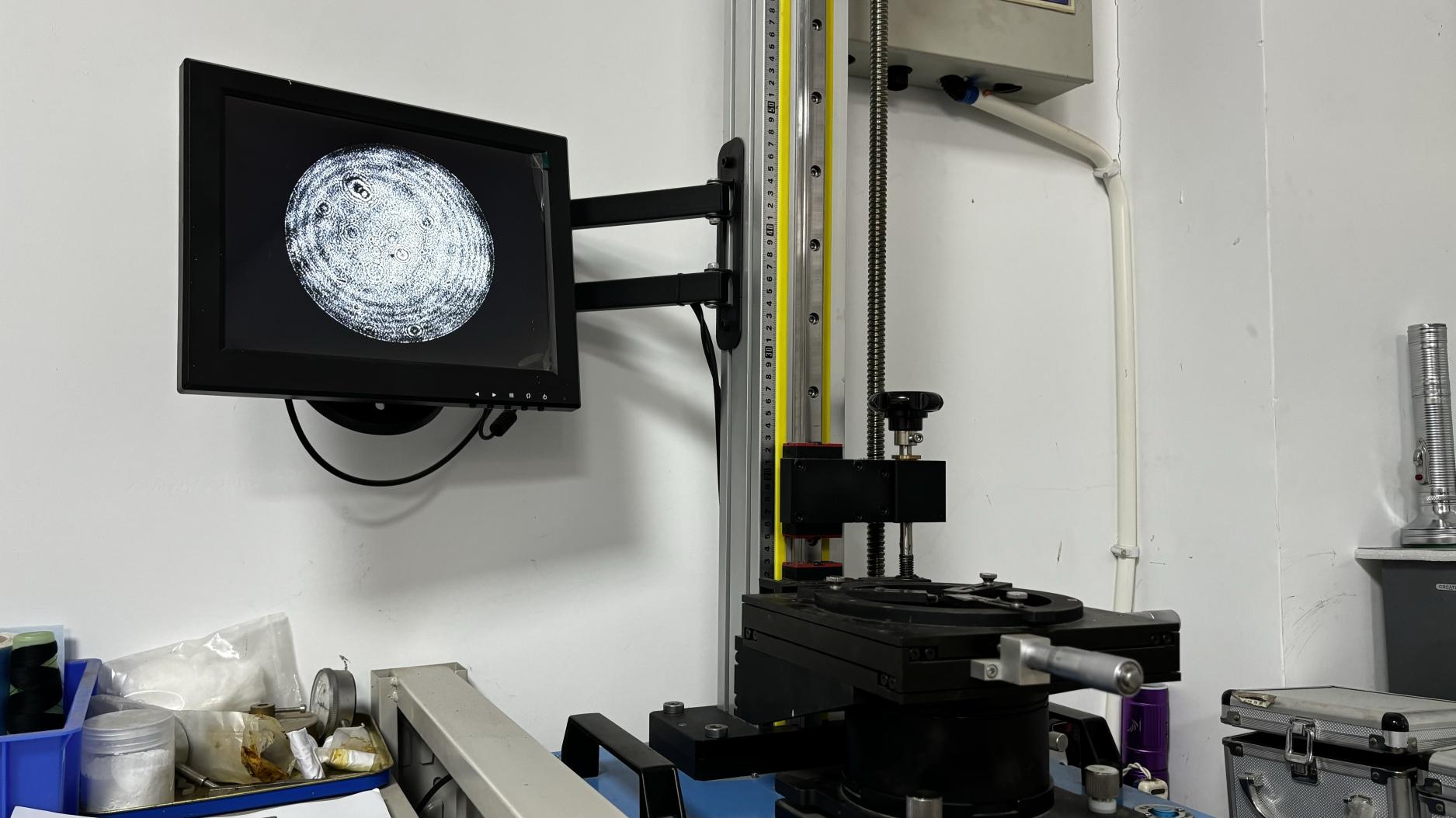
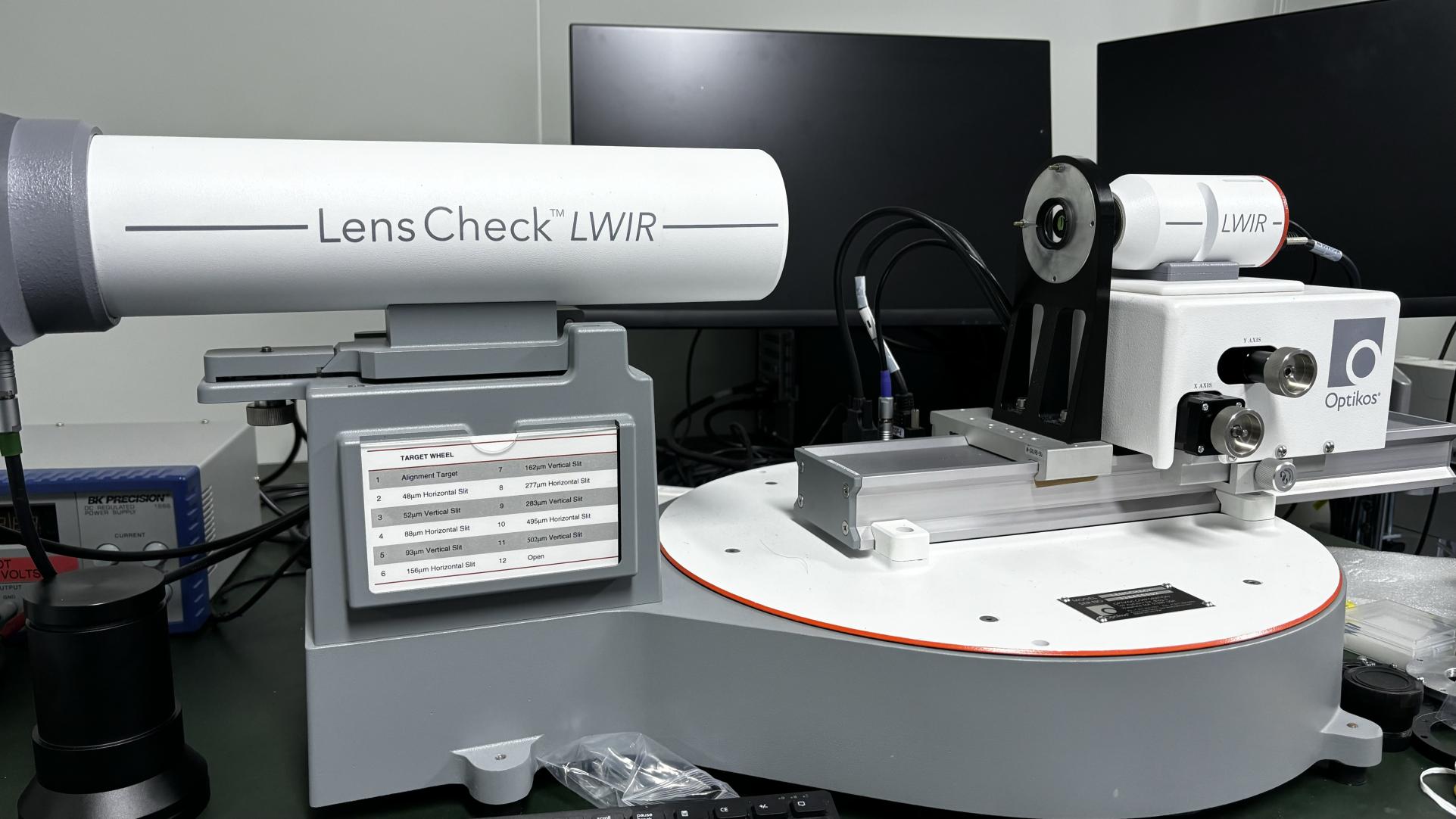
Quality assurance is strictly enforced through ISO-based quality management systems, thermal stress testing, burn-in testing, and full system load validation. Product inspection methods include automated optical inspection (AOI), hardware-in-the-loop testing, and multi-stage functional verification. The quality control team consists of 48 professional inspectors ensuring strict compliance with global standards.
CloudionAI maintains a diversified trade background with strong participation in both OEM and ODM markets. Its supply chain is supported by more than 1,100 upstream partners, including semiconductor suppliers, PCB manufacturers, cooling system providers, and enterprise-grade component vendors.
The company’s primary markets include enterprise AI infrastructure providers, cloud service operators, research institutions, and data center integrators. CloudionAI also offers extensive R&D capabilities, supporting custom GPU server configurations, liquid cooling solutions, and hybrid cloud deployment architectures.
Customization options include chassis design, GPU configuration, power architecture optimization, thermal system engineering, and firmware-level tuning. In the past year, CloudionAI launched 86 new products, reflecting its strong innovation pipeline.
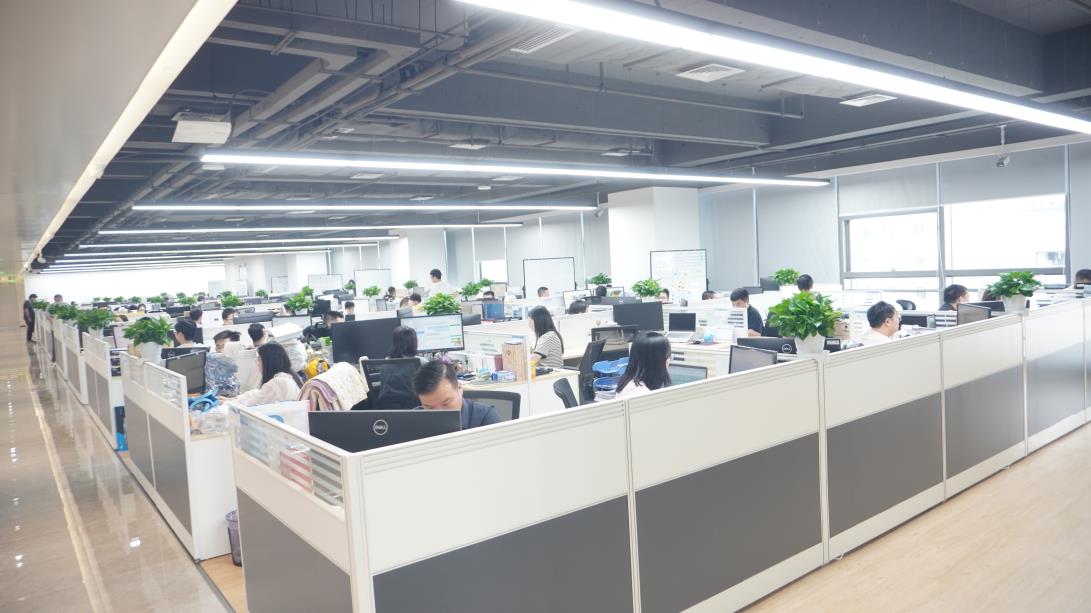
The R&D department consists of approximately 320 engineers specializing in AI hardware design, distributed computing systems, and high-efficiency thermal management technologies, ensuring continuous advancement in next-generation GPU server solutions.
AOI, hardware-in-the-loop testing and multi-stage functional verification support consistent quality across custom and repeat configurations.
Burn-in, thermal stress and full-load testing are important for AI, HPC and storage-heavy systems destined for long-distance deployment.
Chassis, power, firmware, cooling and GPU layout options can be aligned to the workload and deployment model rather than a single stock SKU.
Answers to common technical and commercial questions raised during supplier evaluation.
CloudionAI is an independent high-performance AI and GPU server manufacturer and systems integrator. Dell, PowerEdge and related marks are trademarks of Dell Inc. Product availability, configuration, warranty path and certification should be confirmed in writing before order. CloudionAI can support configured Dell PowerEdge sourcing alongside custom GPU server and infrastructure projects.
Yes, subject to product availability, lawful trade requirements and documentation. A typical process includes workload review, configuration proposal, commercial confirmation, pre-shipment testing, export packing and logistics coordination. Buyers should confirm import and certification requirements with their local customs and compliance advisers.
Selection depends on GPU requirements, CPU core count, memory bandwidth, storage throughput and rack power. R760 and R760XS are commonly evaluated for balanced 2U compute; R760XD2 is relevant for storage-heavy workloads; R960 4U systems can support larger expansion; R660 and R660XS 1U systems are useful for dense virtualization and edge compute.
Depending on the project, the supplier can document configuration details, firmware baseline, inspection records and burn-in or load-test summaries. Buyers should specify critical acceptance criteria — for example memory test duration, storage burn-in, network verification and power-cycle testing — before the order is finalised.
Compliance is configuration- and end-use-specific. Documentation may include commercial invoices, packing lists, customs classification, conformity or safety/EMC documents where applicable, and contractual security requirements. Personal-data and information-security obligations should be reviewed with qualified local legal counsel. This article is not legal advice.
Customisation depends on the platform and component availability. Typical options include DDR5 memory capacity, NVMe or SAS storage, RAID/HBA selection, network interface cards, transceivers, redundant power supplies and firmware tuning. For GPU-dense AI systems, power architecture and thermal design must be reviewed together.
Use a staged approach: define the workload, validate the platform configuration, request pre-shipment burn-in, document firmware and BIOS settings, plan spare parts, and confirm support escalation. For remote or industrial sites, include remote management, backup power and commissioning checklists in the project plan.
Use the Send Inquiry Now button on this page and include your workload, required capacity, rack constraints, power budget, target delivery window, compliance requirements and preferred model. A clearer brief allows a more accurate configuration and supply recommendation.
Send your workload, rack, power, storage and compliance requirements. Our team will respond with a configuration and supply recommendation.
Eight additional catalogue configurations for 1U density, storage expansion, 2U enterprise virtualization and 4U scale. All original product links and images are retained below.