Cloudion
Cloudion
Cloudion
Engineered for mission-critical hypervisors, containerized platforms, and multi-tenant deep learning workloads.

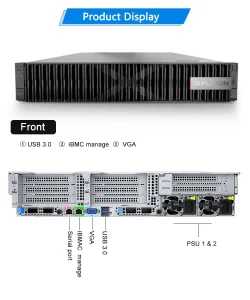
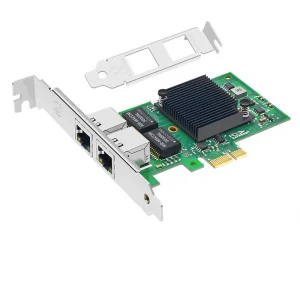
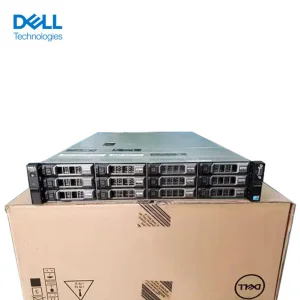
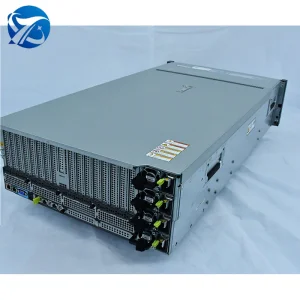
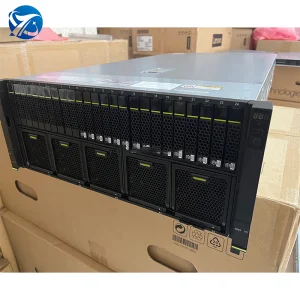
In the era of hyper-scale computing, the global enterprise market is undergoing a seismic shift. Virtualization software is no longer just a tool for partitioning single physical servers; it is the fundamental orchestration layer that powers modern multi-tenant cloud ecosystems, container platforms (such as Kubernetes), and artificial intelligence (AI) acceleration pipelines. CTOs and infrastructure architects face a common challenge: securing highly compatible, performant hardware that matches the complex demands of modern enterprise hypervisors (such as VMware vSphere, KVM, Microsoft Hyper-V, and Proxmox VE).
Enterprise IT procurement teams looking to deploy Virtualization Software require hardware partners that can support key performance thresholds: extreme density processing, multi-instance GPU partition support (MIG), and direct I/O virtualization (SR-IOV). Selecting the right infrastructure involves balancing raw computation with advanced memory architectures and thermal envelopes to prevent throttling. As legacy licensing costs escalate, enterprise organizations are actively migrating toward open-source KVM solutions or hybrid configurations, creating an unprecedented demand for flexible OEM/ODM servers tailored to software-defined compute, storage, and networking.
Cloudion AI Systems Ltd is a high-performance AI GPU server manufacturer dedicated to delivering next-generation computing infrastructure for global AI workloads. Built under the brand CloudionAI (https://cloudionai.com), the company specializes in scalable GPU server architectures designed for deep learning, model training, inference acceleration, and cloud data center deployment.
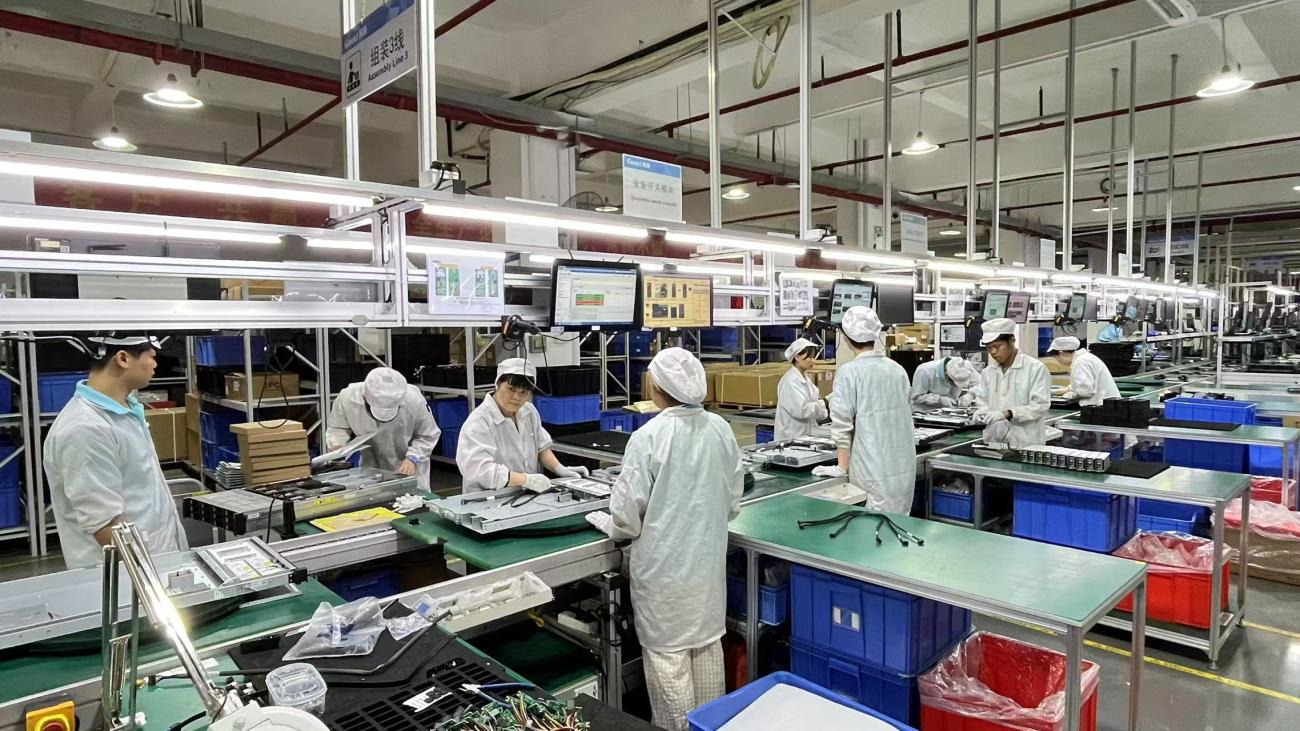
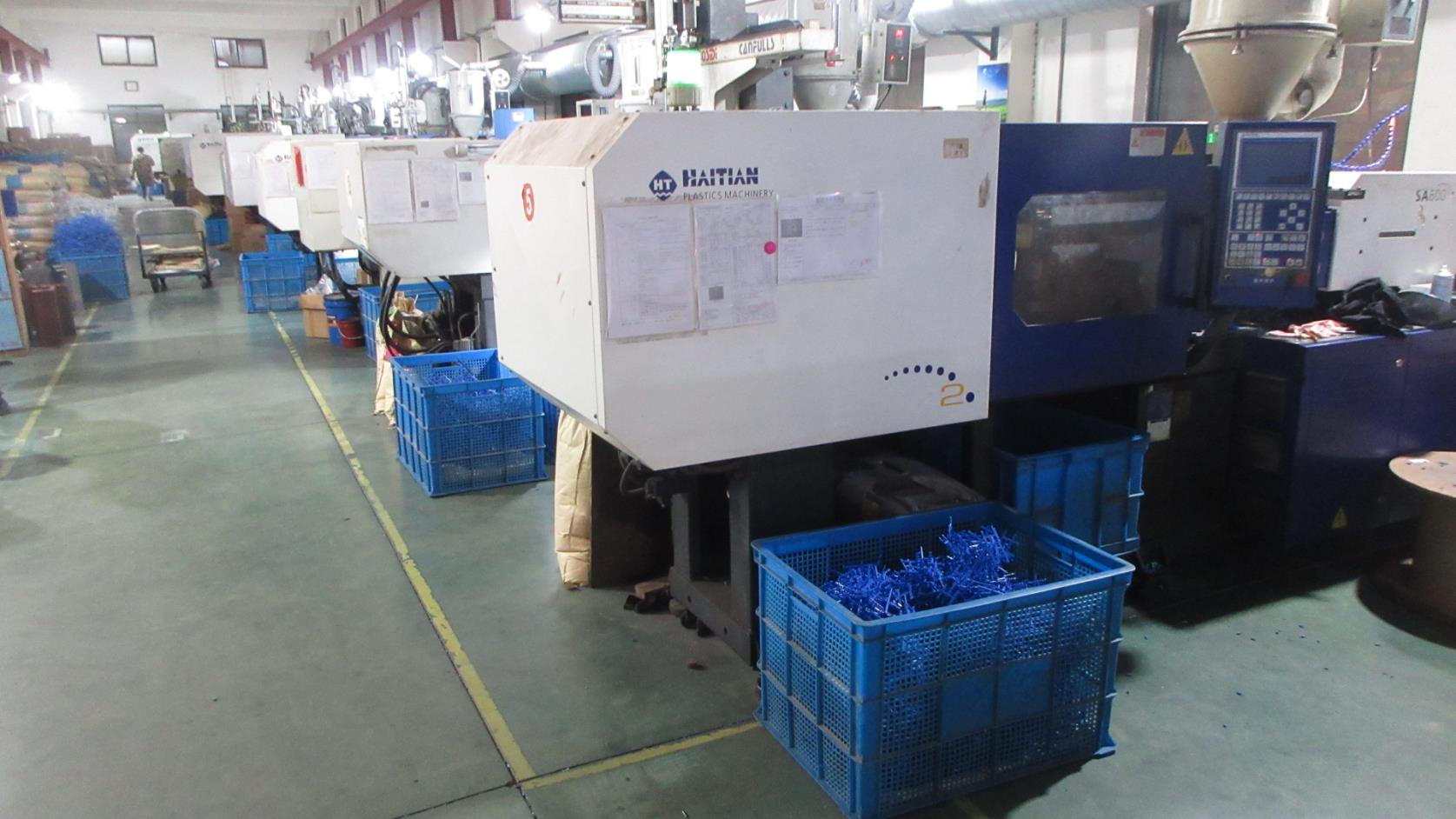
Founded in 2016, Cloudion AI Systems Ltd has developed a strong reputation in the global AI hardware industry, supported by years of engineering expertise and continuous innovation in high-density computing systems. The company operates a modern manufacturing facility covering approximately 18,600㎡, equipped with advanced assembly lines, automated testing systems, and precision engineering workshops to ensure consistent product quality and performance stability.
With annual export revenue ranging from USD 12 million, CloudionAI serves international markets across North America, Europe, and Southeast Asia. The company has accumulated 7 years of export experience and over 12 years of industry expertise in high-performance computing and server infrastructure.
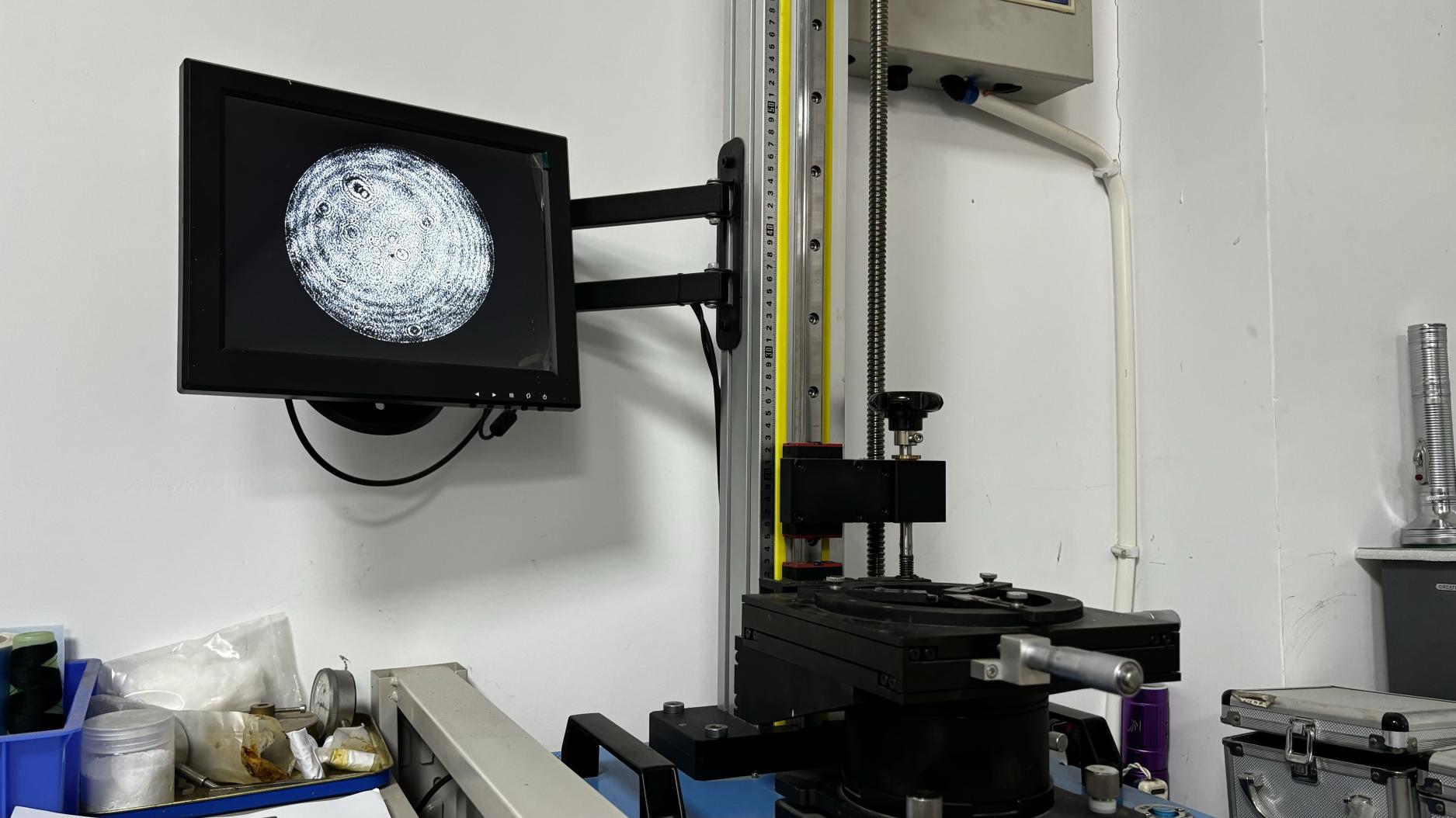
Quality assurance is strictly enforced through ISO-based quality management systems, thermal stress testing, burn-in testing, and full system load validation. Product inspection methods include automated optical inspection (AOI), hardware-in-the-loop testing, and multi-stage functional verification. The quality control team consists of 48 professional inspectors ensuring strict compliance with global standards.
CloudionAI maintains a diversified trade background with strong participation in both OEM and ODM markets. Its supply chain is supported by more than 1,100 upstream partners, including semiconductor suppliers, PCB manufacturers, cooling system providers, and enterprise-grade component vendors.
Inside the production, integration, and quality testing facility of Cloudion AI Systems Ltd.
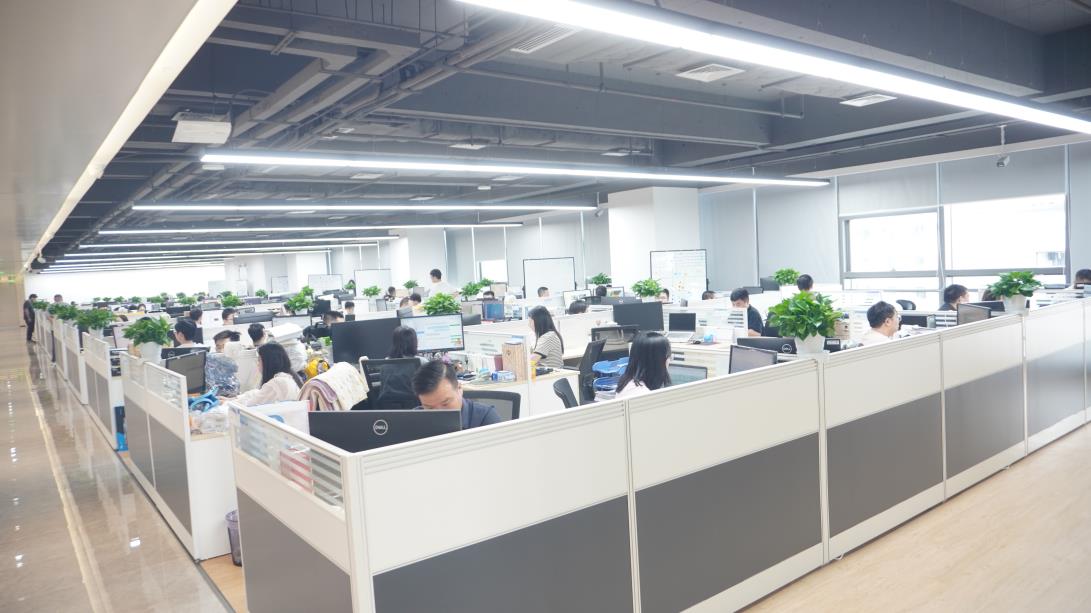

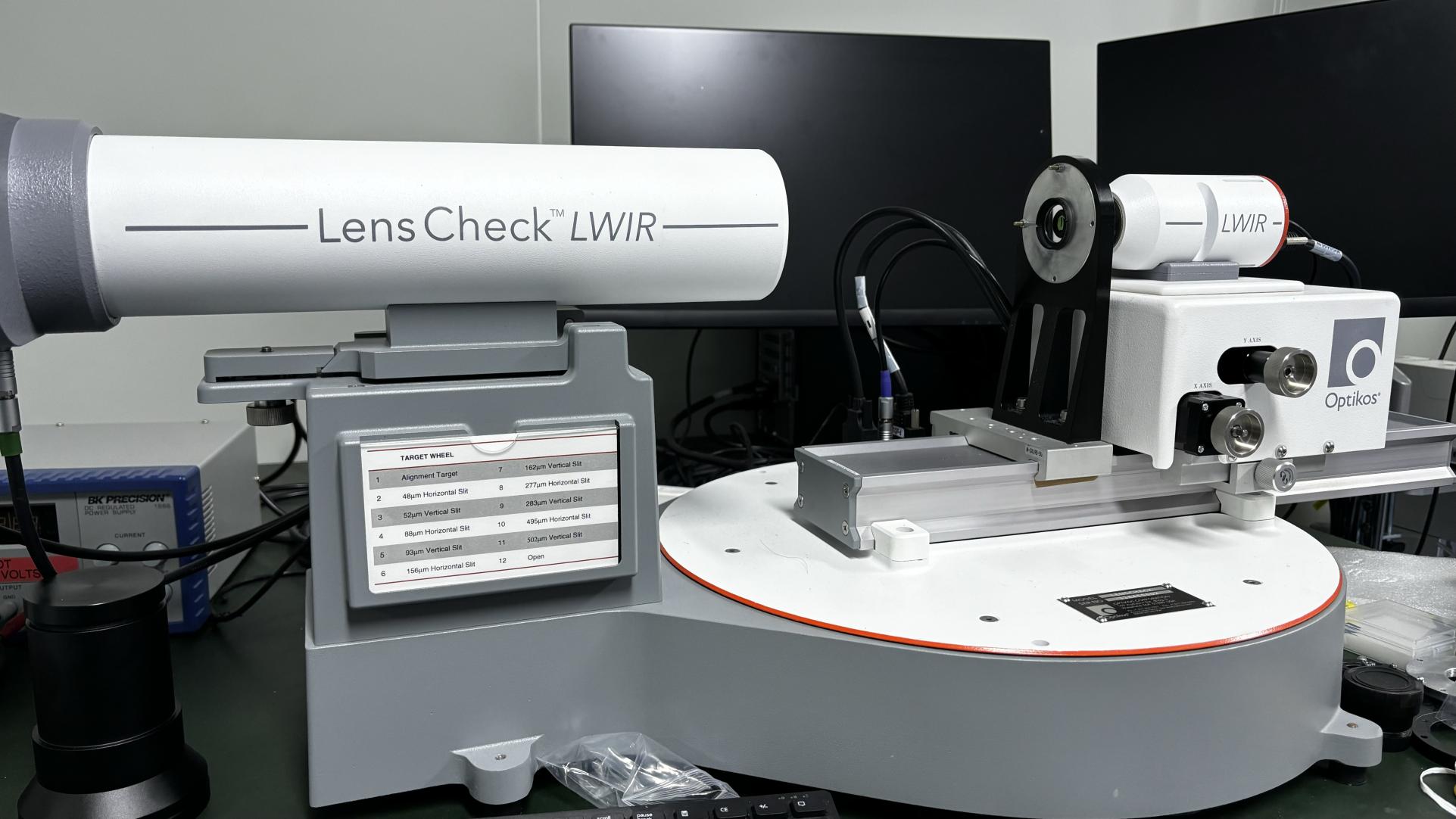
Virtualization requirements differ drastically depending on the vertical sector. By custom-building server infrastructure that coordinates directly with high-performance hypervisors, CloudionAI delivers turn-key solutions designed to reduce total cost of ownership (TCO) and maximize compute efficiencies.
High-density GPU architectures designed for massive virtual machine clustering, supporting direct GPU-passthrough and vGPU technologies for Deepseek model training and multi-tenant inference.
Ultra-low latency configurations supporting RAID data path acceleration, high-frequency execution pipelines, and hardware isolation layers to secure transaction records in virtualized environments.
Optimized short-depth server designs supporting Network Functions Virtualization (NFV) for base stations and remote facilities, operating effectively inside ruggedized footprints.
As computational complexity increases, the boundaries between physical silicon and virtualization platforms are fading. The primary goal of CloudionAI's R&D team (which launched 86 new products in the past year alone) is to optimize hardware-software interaction at the lowest levels of execution.
Key features on our architectural roadmap include:
Building a global high-performance infrastructure requires strict adherence to international shipping laws, safety standards, and logistical paths. CloudionAI maintains robust operations, enabling secure cross-border shipping across key international economic zones.
Supported by over 1,100 upstream partner vendors, our hardware integrates high-grade capacitors, advanced PCB substrates, and efficient power delivery systems. Through this multi-source supply channel, we maintain predictable production timelines and protect our clients from supply chain disruptions. Every custom-configured virtualization server ships with full certification, including CE, FCC, RoHS, and safety audit documentation.
Technical explanations regarding virtualization server design, optimization, and vendor integration.
Explore additional nodes, computing components, and high-performance server architectures.