Cloudion
Cloudion
Cloudion
Direct from CloudionAI Factory - Industry-grade servers, scalable network storage nodes, and compatible enterprise power components.
An authoritative analysis on high-performance storage topologies, micro-latency data paths, and global supply chain integrations.
In the contemporary digital economy, the traditional boundary between high-performance computing (HPC) and localized data storage has completely dissolved. Driven by the exponential growth of Large Language Models (LLMs) and distributed deep learning networks, data orchestration has become the defining bottleneck for compute efficiency. Modern datacenters require a foundational re-engineering of storage nodes to sustain high-bandwidth data injection rates into multi-node GPU clusters without causing I/O serialization bottlenecks.
For organizations operating at scale, selecting a premier Storage Solutions Manufacturer is not simply an procurement task; it is a critical optimization phase for architectural design. The demand for massive dataset storage necessitates servers with advanced backplane architectures capable of supporting Gen4/Gen5 PCIe interfaces, high-capacity SAS/SATA buses, and ultra-high-speed NVMe configurations. By minimizing packet drop rates and optimization of thermal flow in high-density rack configurations, the underlying hardware directly impacts the training epochs of complex neural network pipelines.
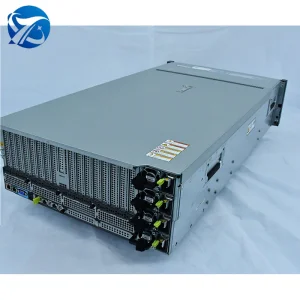
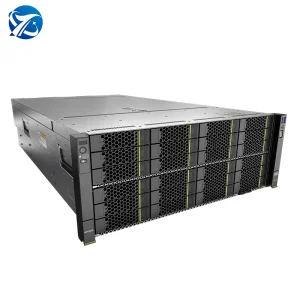
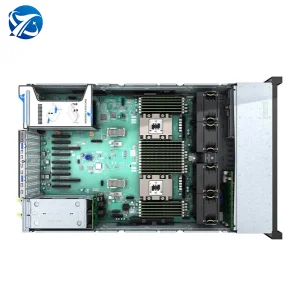
Storage solutions must match the throughput density of processing accelerators. When deploying units such as the FusionServer 5288 V7, the direct data path from NVMe/SSD channels to GPU system memories (e.g., GPUDirect Storage protocols) reduces latency matrices by up to 70% compared to legacy kernel-space storage stacks.
Engineered with state-of-the-art signal integrity layers, supporting PCIe 4.0/5.0 standards, ensuring seamless interconnects between RAID controller cards and SATA/SAS solid-state arrays.
Proprietary airflow chamber configurations combined with premium cooling fans designed to maximize chassis heat dissipation in 1U, 2U, and 4U systems.
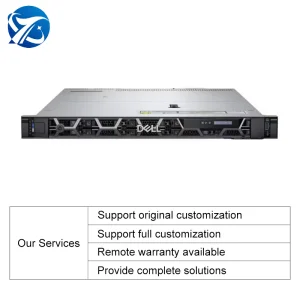
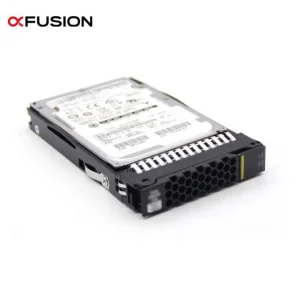
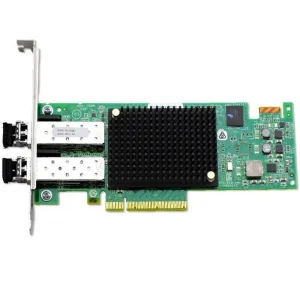
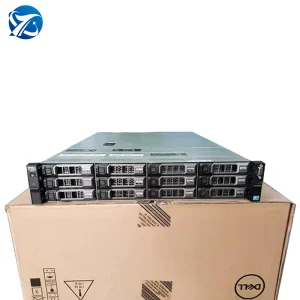
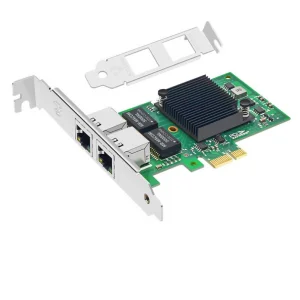
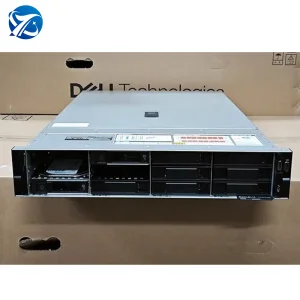
Compatibility matching with global ecosystems including Dell PowerEdge and Hyper XFusion servers, using verified components (HBA cards, Platinum PSUs, Enterprise SAS drives).
How enterprises balance TCO, compute density, and supply chain redundancies in unstable global markets.
Industrial procurement departments globally face a complex dual challenge: scaling high-performance local clusters while ensuring long-term structural reliability. Raw capacity (Terabytes per dollar) is no longer the sole metric of efficiency. Modern supply managers prioritize Mean Time Between Failures (MTBF), firmware customization, and multi-protocol flexibility. The massive migration of workflows to Kubernetes-orchestrated bare-metal nodes requires hybrid storage solutions capable of handling both unstructured file systems and high-throughput block devices concurrently.
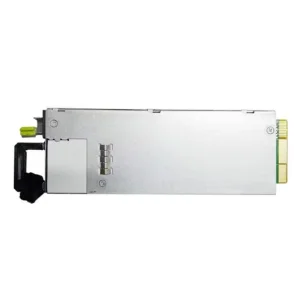
From North America to Southeast Asia, procurement trends reveal a significant shift toward OEM/ODM system design. Global enterprises seek direct access to fabrication facilities to co-develop system chassis layouts. This direct collaboration facilitates tailored thermal design power (TDP) adjustments, specialized backplane integration, and optimized power rails. Crucially, as energy costs rise, integrating ultra-high-efficiency Power Supply Units (PSUs)—such as Platinum 900W, 1500W, or 2000W modules—has become a mandatory standard to reduce baseline Power Usage Effectiveness (PUE) metrics in data centers.
Focus on strict E-E-A-T certified supply pathways, ISO-compliant quality tracking, low-emission materials, and immediate compatibility with deep learning software suites.
High demand for flexible OEM/ODM manufacturing, swift turnaround times on bulk enterprise storage configurations, and robust component cost-efficiency ratios.
Hybrid deployments utilizing cost-optimized enterprise SATA SSD storage pools alongside legacy HDD structures to manage regional bandwidth variances.
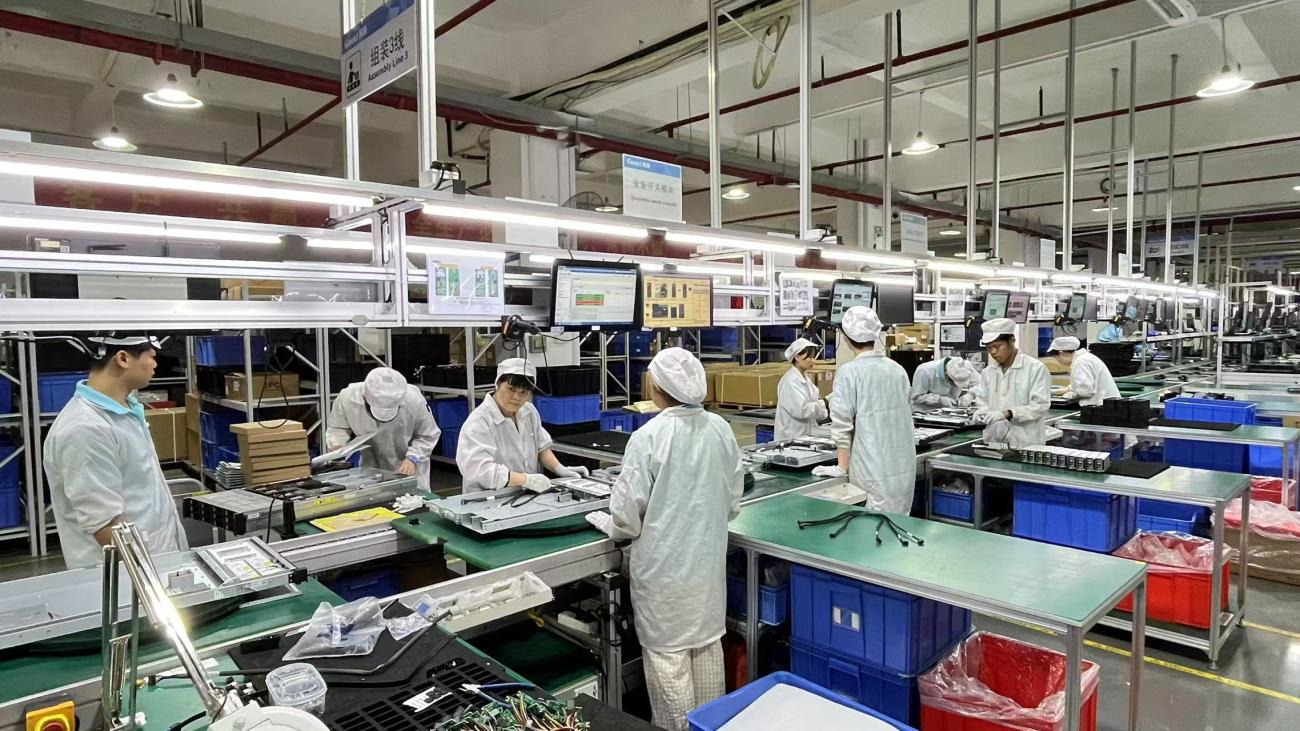
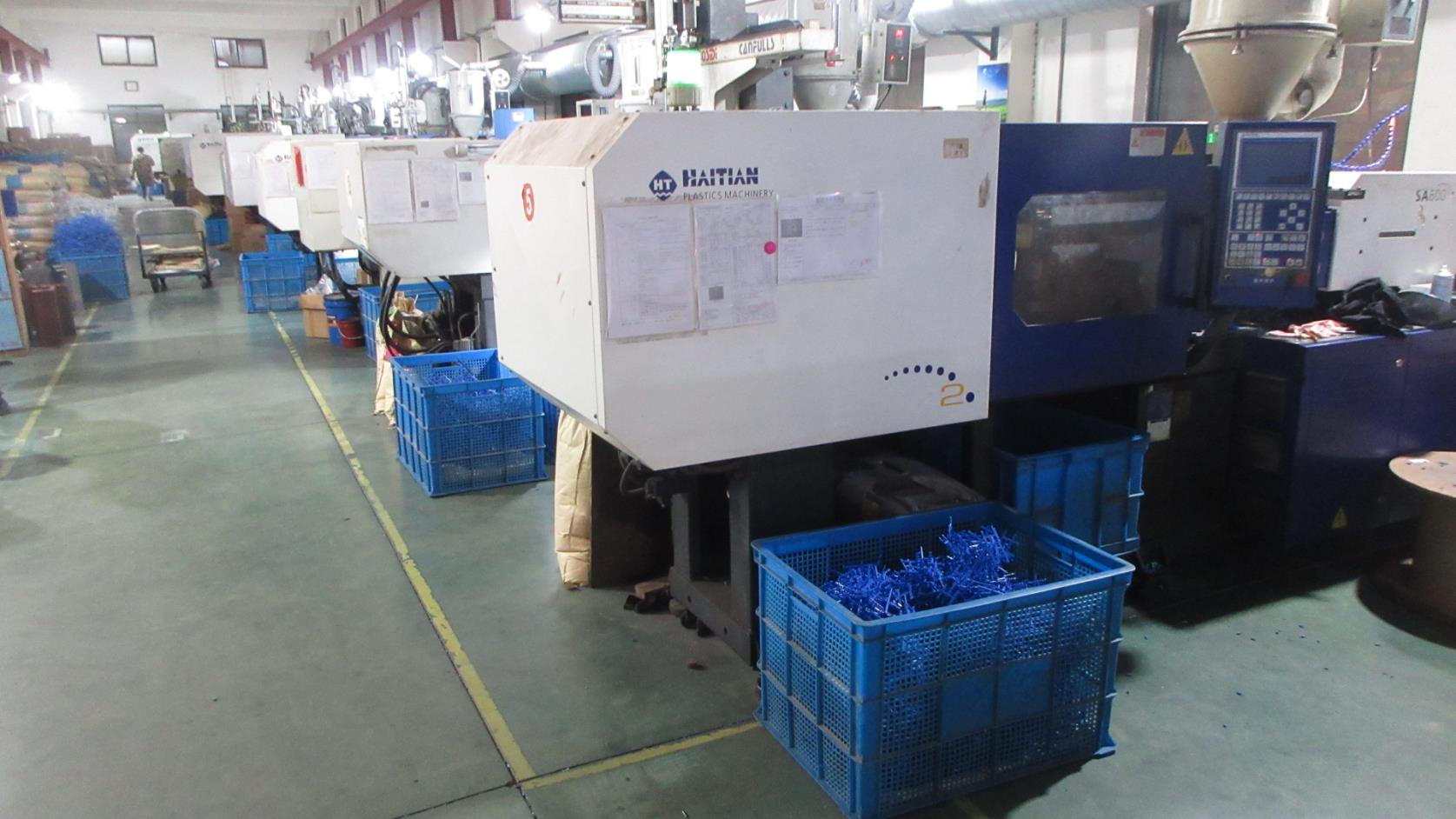
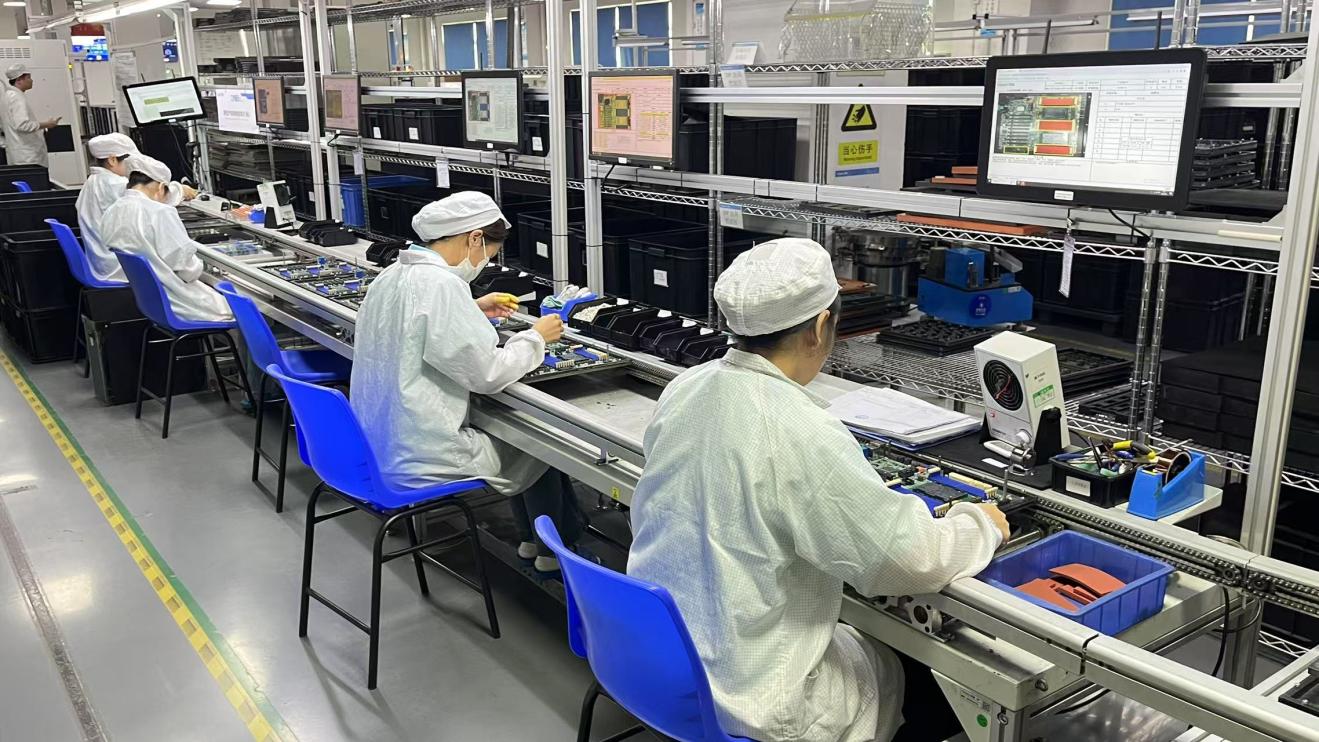
Inside CloudionAI's advanced 18,600㎡ manufacturing facility, where raw silicon transforms into enterprise-grade system infrastructure.
Locating production nodes within major global hardware clusters like Shenzhen offers significant supply chain resilience advantages. Cloudion AI Systems Ltd leverages this hyper-localized supply ecosystem to coordinate with over 1,100 trusted upstream partners. This extensive network spans semiconductor fabricators, multi-layer printed circuit board (PCB) manufacturers, precision metal stamping facilities, and specialized firmware programmers. The resulting ecosystem minimizes lead times for custom component acquisitions, ensuring rapid scaling from initial schematic design to prototype fabrication.
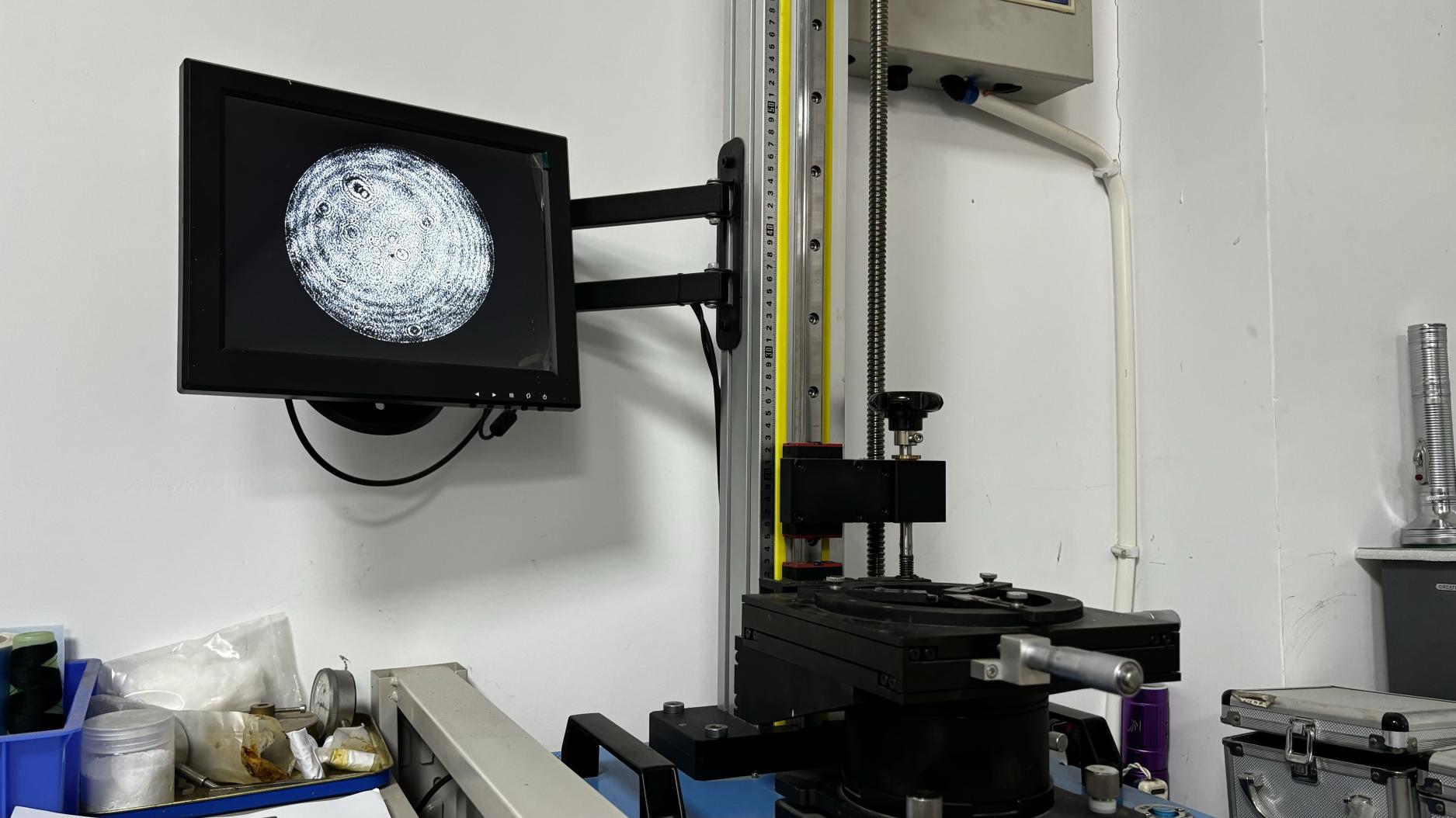
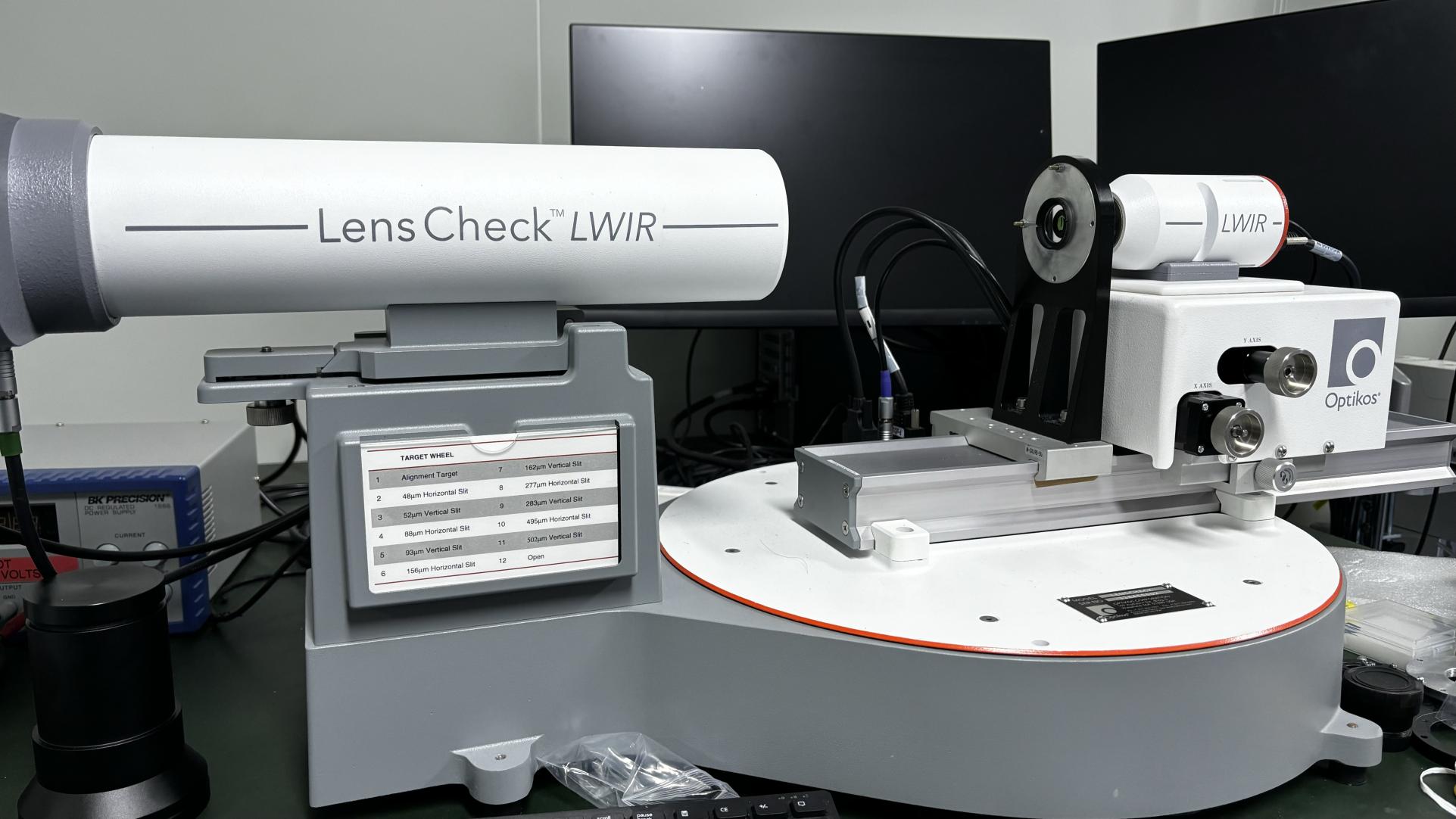
However, velocity without strict quality controls leads to failure rates that global enterprises cannot tolerate. At CloudionAI, the QA framework is built around multiple layers of automated and human validation:
Automated Optical Inspection scans printed circuit layouts to identify micro-solder voids and structural track irregularities.
Chassis are subjected to simulated environment chambers ranging from sub-zero to 60°C to verify cooling efficiency and material integrity.
Each node operates under synthetic load scripts for 48-72 hours to validate processor and storage drive communication paths.
Full system power draw is monitored alongside network packet analysis to ensure absolute compliance with global certification regimes.
Practical deployments of CloudionAI's server structures in production environments.
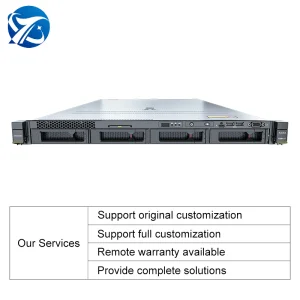
For organizations training parameters using massive token bases, our 4U AI servers (like the FusionServer 5288 V7) serve as local GPU cluster headnodes. High-speed HBA PCIe adapters provide direct communication with SAS/SATA solid-state pools, feeding tensor cores continuously without pipeline interruptions.
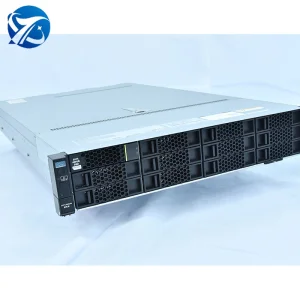
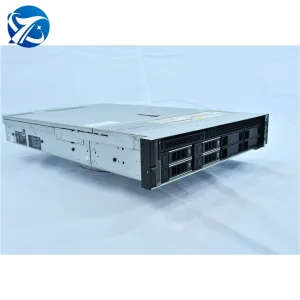
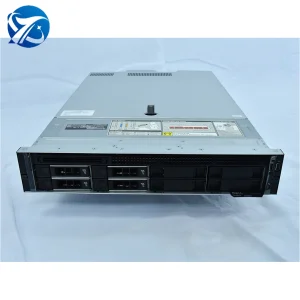
In large-scale private cloud setups, 1U and 2U rack mount units (such as Dell PowerEdge compatibility frames) act as low-overhead hypervisors. These servers host multiple Virtual Machines (VMs) running on shared hardware, utilizing local SSD arrays for hyper-fast container startup sequences.
Deploying server power to remote facilities or automated factories requires short-depth, ruggedized chassis. Our custom 1U to 4U configurations can be optimized for challenging physical environments, incorporating specialized air filters and vibration-dampening mounting systems.
Detailed technical answers to common questions about power architecture, data transmission, and system optimization.
High-density systems, particularly those operating multiple high-performance GPUs and SSD storage arrays, generate significant current fluctuations. Utilizing redundant, load-sharing Platinum PSUs (such as 1500W or 2000W models) prevents single points of failure. If one module experiences a thermal event or grid instability, the secondary PSU instantly assumes the full power load without causing system reboots or data corruption.
Tri-Mode RAID controllers enable complete storage drive flexibility. They support SAS, SATA, and NVMe drives simultaneously through a single slot connection, allowing companies to combine high-capacity mechanical drives with ultra-fast NVMe cache drives in a unified, hardware-protected storage array.
We operate a multi-stage Quality Assurance framework. Each system undergoes automated optical inspection, physical thermal chamber stress testing, and prolonged full-system simulation under heavy compute loads. All procedures are monitored by our dedicated team of 48 professional inspectors to ensure hardware meets or exceeds international design standards.
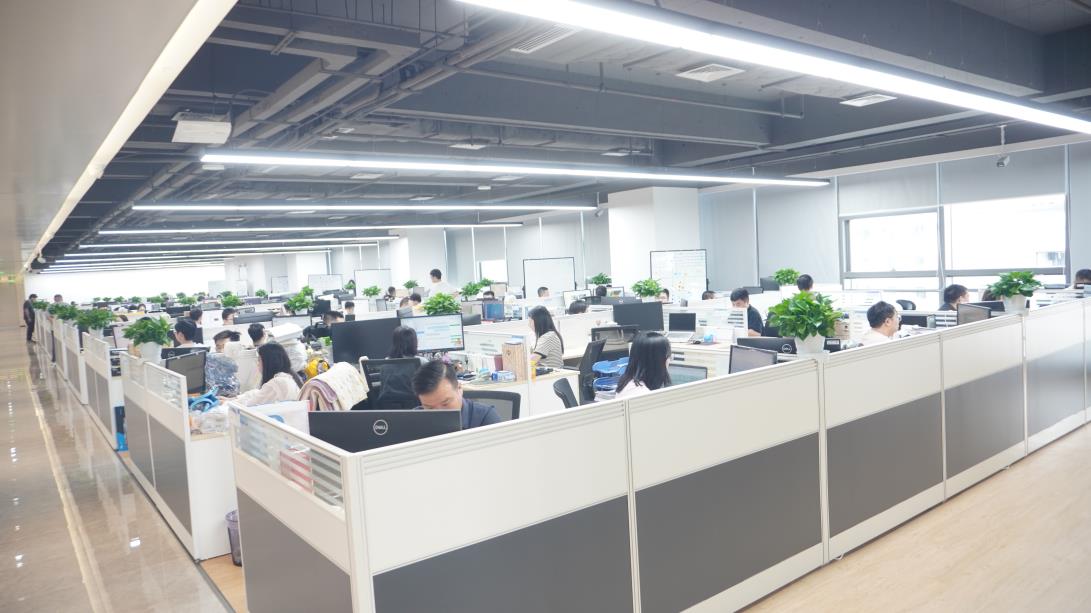
Yes. We offer extensive OEM/ODM support, including custom sheet metal engineering, front bezel styling, customized cooling architectures, specialized power distribution rails, and custom system bios/firmware configurations. Our team of 320 R&D engineers supports design development from prototype phases to volume manufacturing.
Advanced high-performance systems and compatible parts engineered for continuous data center operation.
Reliable high-performance computing and custom server systems designed for global scale.
Cloudion AI Systems Ltd is a high-performance AI GPU server manufacturer dedicated to delivering next-generation computing infrastructure for global AI workloads. Built under the brand CloudionAI (https://cloudionai.com), the company specializes in scalable GPU server architectures designed for deep learning, model training, inference acceleration, and cloud data center deployment.
Founded in 2016, Cloudion AI Systems Ltd has developed a strong reputation in the global AI hardware industry, supported by years of engineering expertise and continuous innovation in high-density computing systems. The company operates a modern manufacturing facility covering approximately 18,600㎡, equipped with advanced assembly lines, automated testing systems, and precision engineering workshops to ensure consistent product quality and performance stability.
With annual export revenue ranging from USD 12 million, CloudionAI serves international markets across North America, Europe, and Southeast Asia. The company has accumulated 7 years of export experience and over 12 years of industry expertise in high-performance computing and server infrastructure.
Quality assurance is strictly enforced through ISO-based quality management systems, thermal stress testing, burn-in testing, and full system load validation. Product inspection methods include automated optical inspection (AOI), hardware-in-the-loop testing, and multi-stage functional verification. Our quality control team consists of 48 professional inspectors ensuring strict compliance with global standards.
CloudionAI maintains a diversified trade background with strong participation in both OEM and ODM markets. Its supply chain is supported by more than 1,100 upstream partners, including semiconductor suppliers, PCB manufacturers, cooling system providers, and enterprise-grade component vendors. Customization options include chassis design, GPU configuration, power architecture optimization, thermal system engineering, and firmware-level tuning. In the past year, CloudionAI launched 86 new products, reflecting its strong innovation pipeline. The R&D department consists of approximately 320 engineers specializing in AI hardware design, distributed computing systems, and high-efficiency thermal management technologies, ensuring continuous advancement in next-generation GPU server solutions.