Cloudion
Cloudion
Cloudion
In the era of hyper-connectivity and 2025's evolving threat landscape (including AI-driven ransomware), Remote Backup Solutions have transitioned from a luxury to a fundamental pillar of corporate governance. Globally, the industry is witnessing a massive migration from simple off-site storage to "Intelligent Data Resilience" frameworks. Organizations are no longer satisfied with mere data copies; they require immediate failover capabilities, air-gapped immutable storage, and geo-redundant architectures.
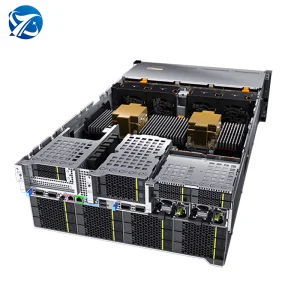
China has emerged as a critical hub in this global supply chain. By leveraging advanced manufacturing clusters in Shenzhen and beyond, Chinese suppliers like Cloudion AI Systems Ltd provide the backbone for international data centers. This includes high-density GPU servers and NAS-optimized racks that support the massive throughput required for real-time remote synchronization across borders.
Years Industry Experience
Upstream Partners
Manufacturing Facility
R&D Engineers
Predictive analytics are now used to identify backup failures before they occur. By integrating DeepSeek-ready hardware, we enable servers to analyze patterns and optimize storage tiers automatically.
Modern remote backup solutions now incorporate Zero Trust principles at the hardware level, utilizing TPM modules and encrypted data paths to ensure data remains untouchable by unauthorized actors.
The future is hybrid. Our solutions support seamless movement of workloads between private on-premise servers and global public cloud providers, ensuring no vendor lock-in.
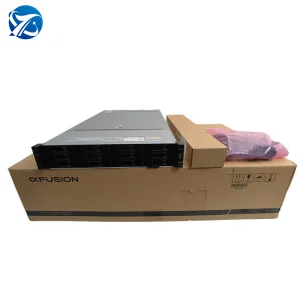
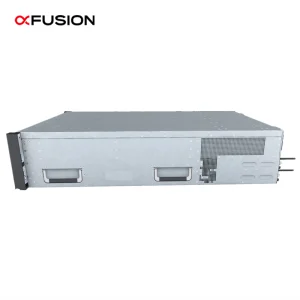
In highly regulated sectors, remote backup requires low-latency mirroring. Using FusionServer 5288 V6 configurations, banks can achieve RPO (Recovery Point Objective) of near-zero, ensuring transaction integrity during regional outages.
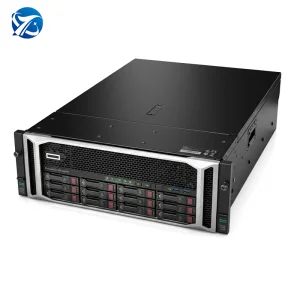
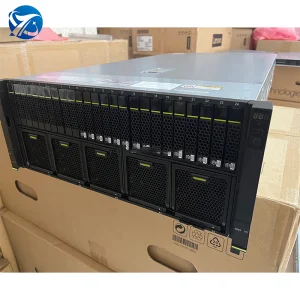
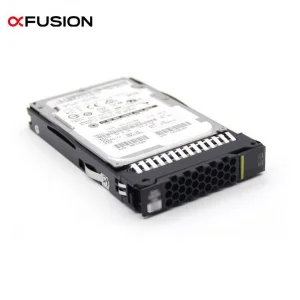
Factories operating with IoT sensors generate petabytes of data daily. Our high-capacity SATA HDD arrays (up to 20TB per disk) provide the robust, cost-effective storage needed for long-term industrial logs and digital twin replicas.
Medical records and high-res imaging require 100% availability. CloudionAI’s GPU-accelerated servers allow for rapid indexing and retrieval of medical data from remote sites, supporting telemedicine and AI-assisted diagnostics.
Cloudion AI Systems Ltd is a high-performance AI GPU server manufacturer dedicated to delivering next-generation computing infrastructure for global AI workloads. Built under the brand CloudionAI (https://cloudionai.com), the company specializes in scalable GPU server architectures designed for deep learning, model training, inference acceleration, and cloud data center deployment.
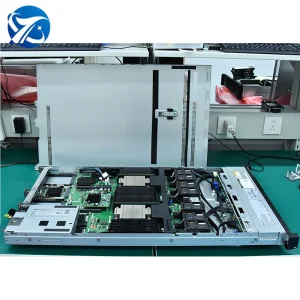
Founded in 2016, Cloudion AI Systems Ltd has developed a strong reputation in the global AI hardware industry, supported by years of engineering expertise and continuous innovation in high-density computing systems. The company operates a modern manufacturing facility covering approximately 18,600㎡, equipped with advanced assembly lines, automated testing systems, and precision engineering workshops to ensure consistent product quality and performance stability.
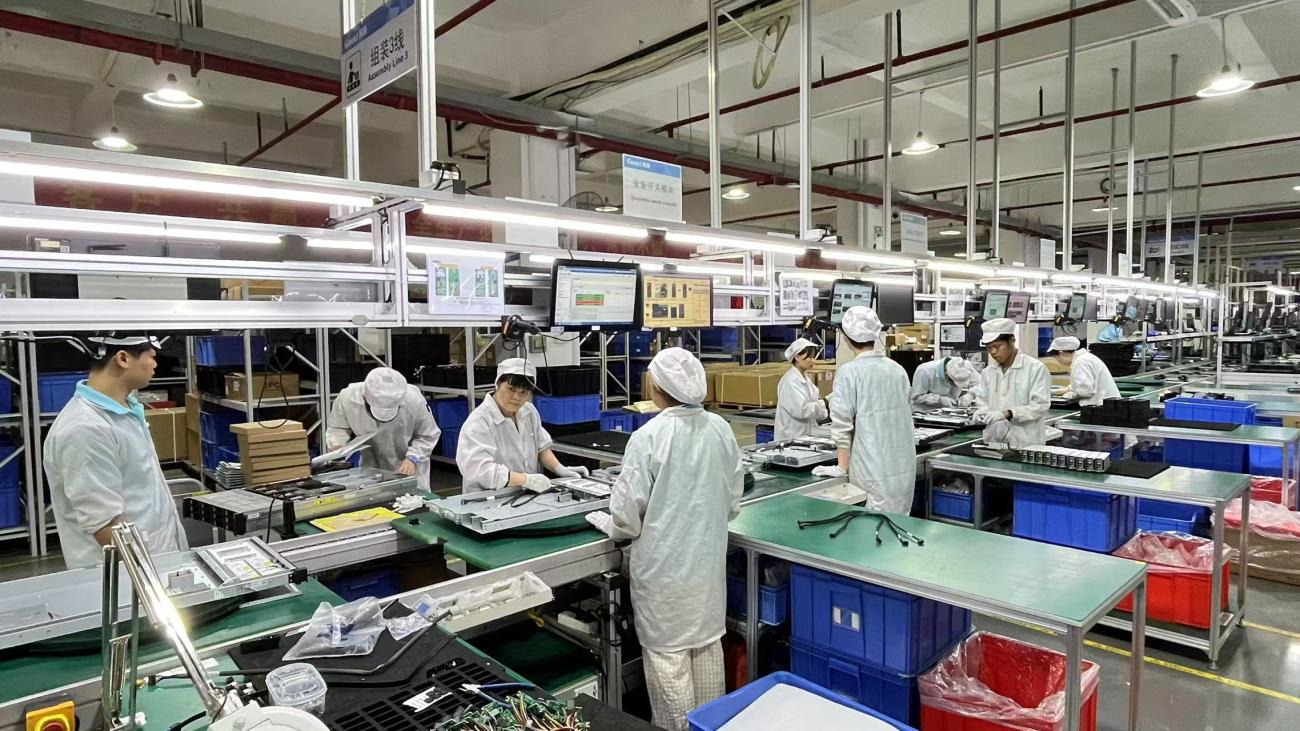
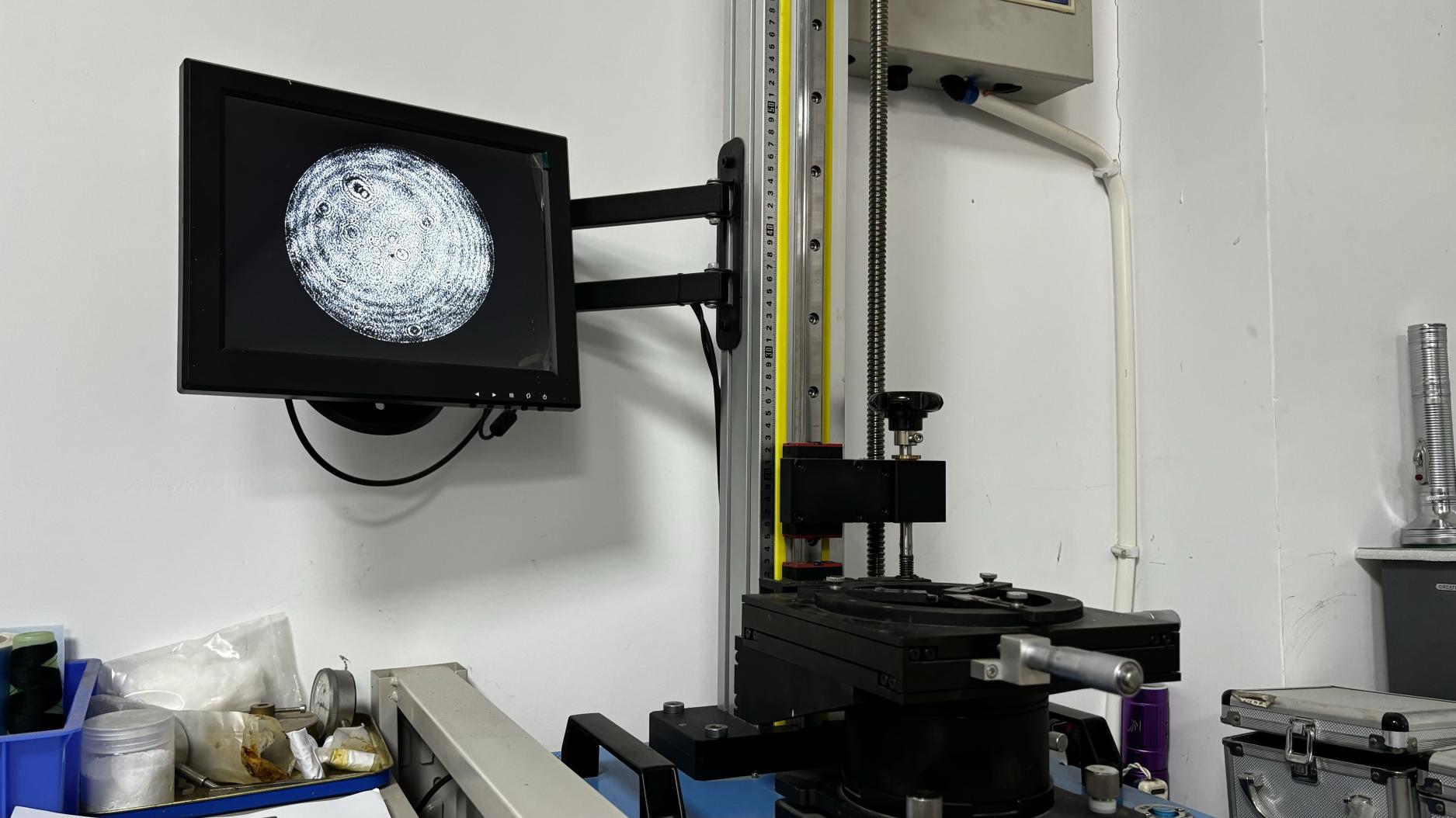
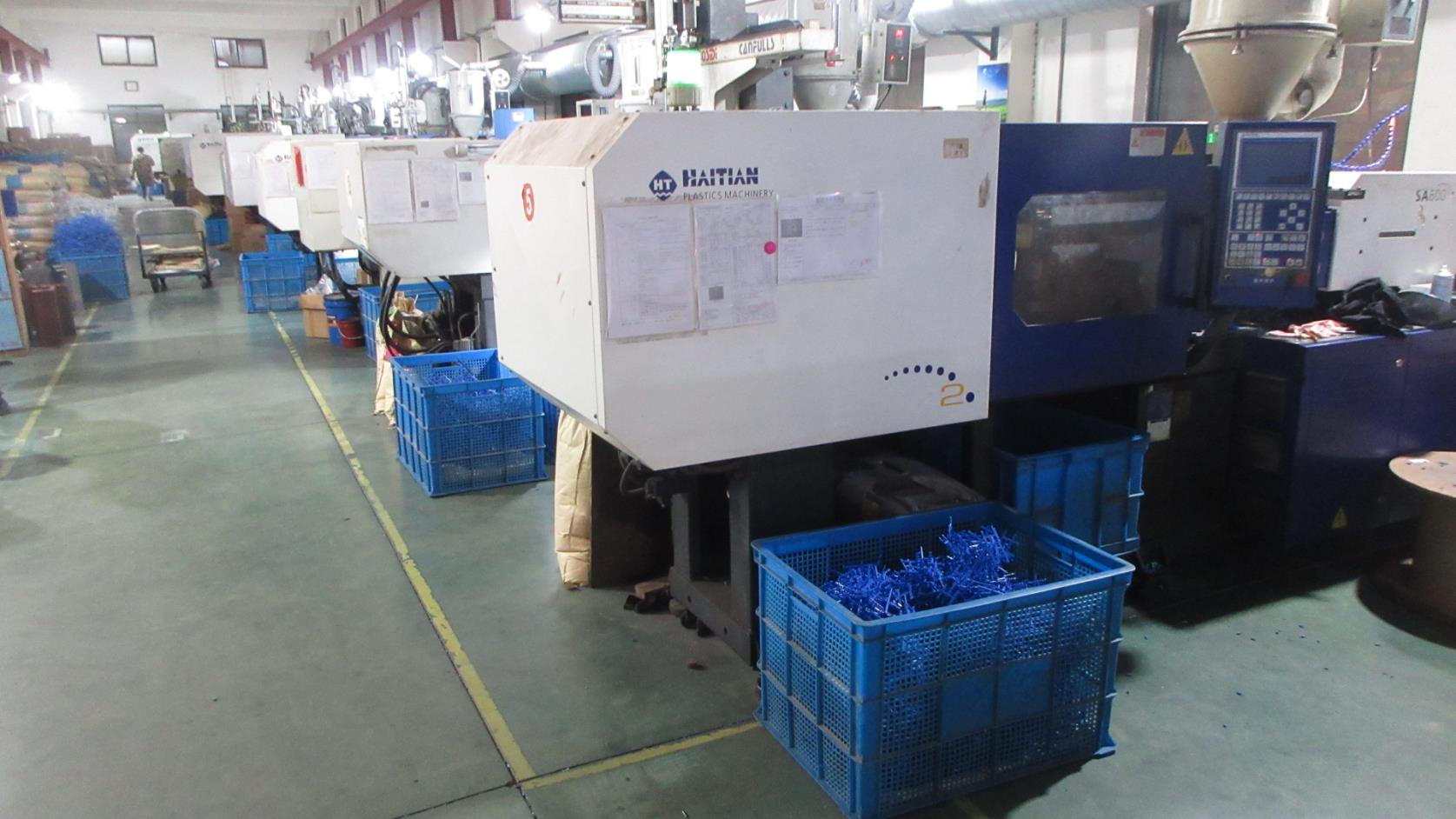
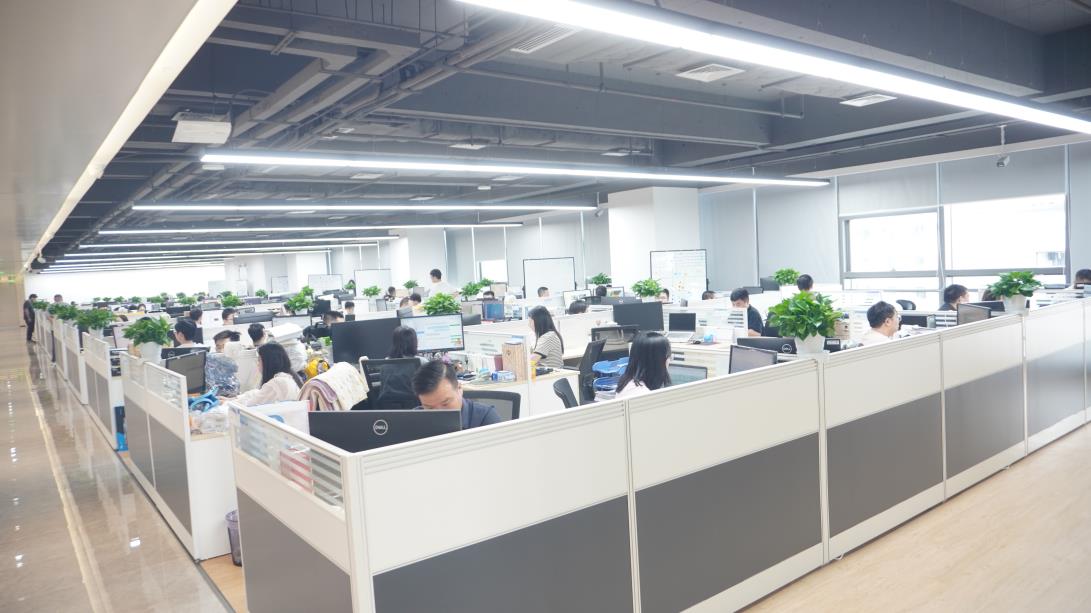
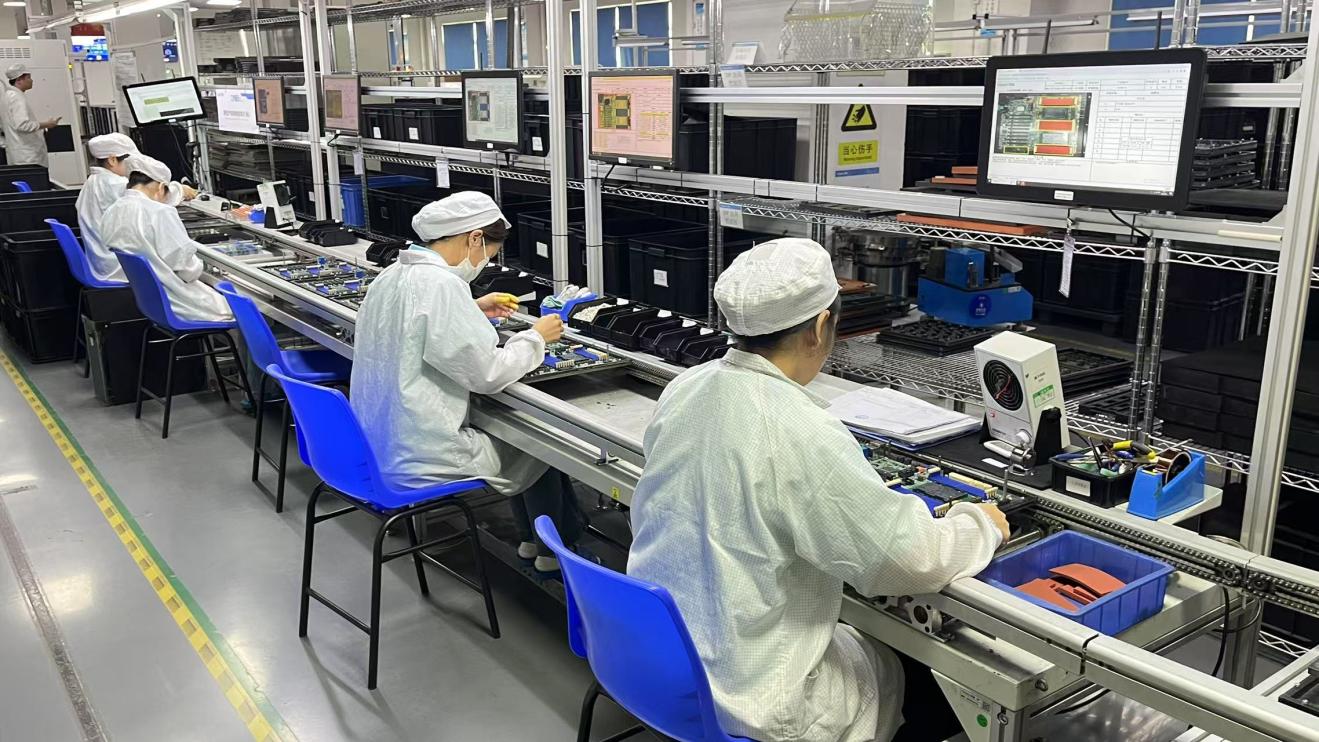
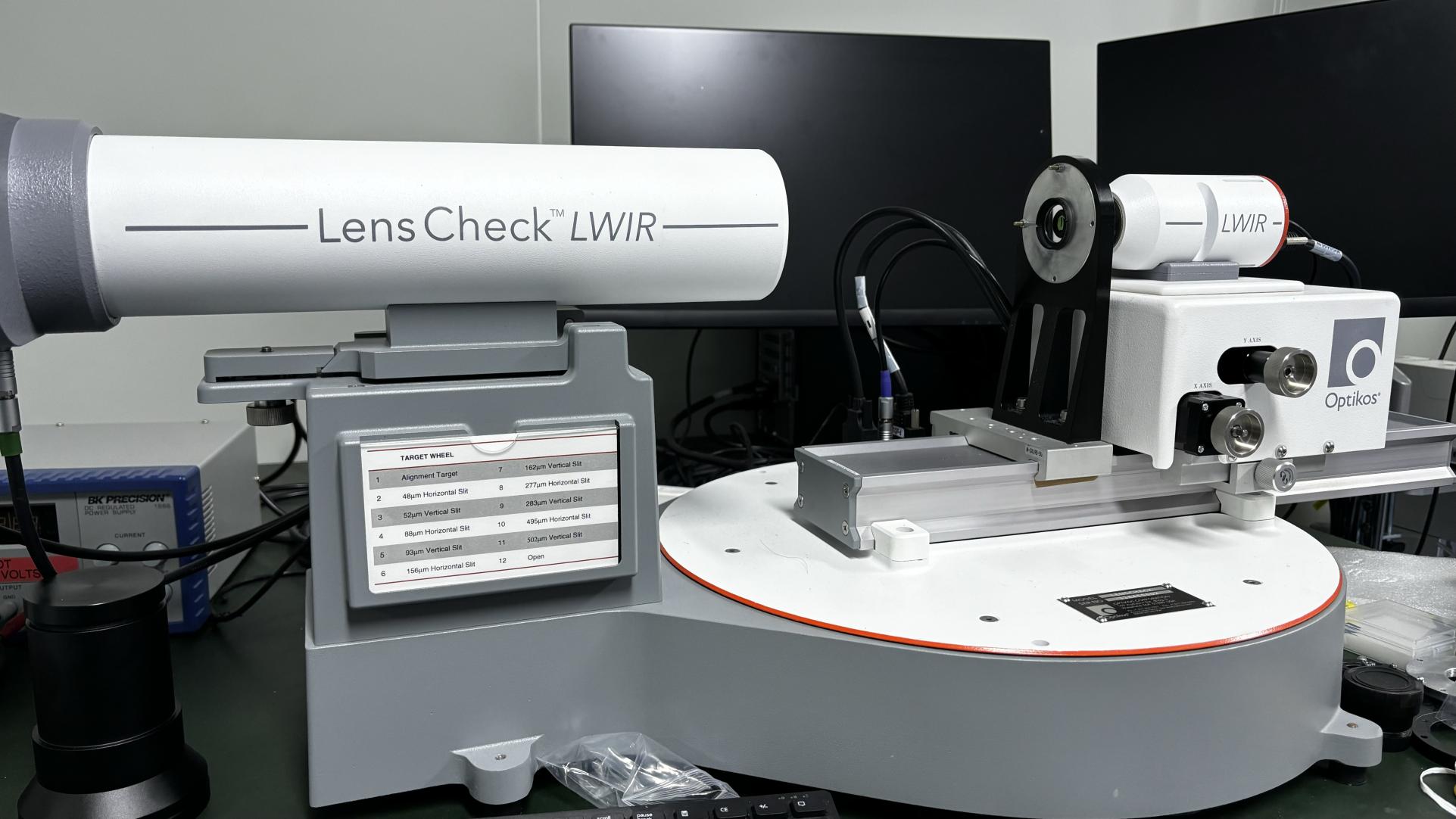
Quality assurance is strictly enforced through ISO-based quality management systems, thermal stress testing, burn-in testing, and full system load validation. Product inspection methods include automated optical inspection (AOI), hardware-in-the-loop testing, and multi-stage functional verification. The quality control team consists of 48 professional inspectors ensuring strict compliance with global standards.
CloudionAI maintains a diversified trade background with strong participation in both OEM and ODM markets. Its supply chain is supported by more than 1,100 upstream partners, including semiconductor suppliers, PCB manufacturers, and cooling system providers.
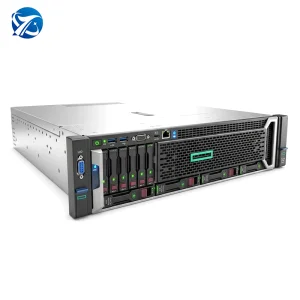
End-to-end orchestration of failover processes using xFusion and HPE ProLiant Gen12 nodes, reducing downtime from hours to seconds.
Combining the speed of local SSD caches with the massive scale of remote SATA arrays for cost-efficient data lifecycle management.
Implementing WORM (Write Once, Read Many) protocols on our storage servers to ensure backup integrity against malicious encryption.