 Cloudion
Explore eight deployment-focused rack mount platforms and components from the CloudionAI portfolio, covering GPU servers, storage systems, RAID controllers, networking switches, memory, processors and high-density compute.
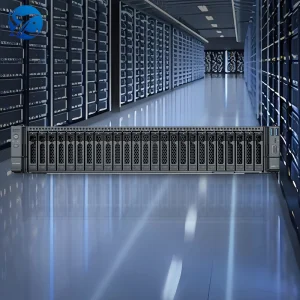
New xFusion 2488H V7 Ai Data Servers Gpu Storage Deepseek Xeon Computer Rack Cloud Center Cpu Short Depth Oem For Sale Server
View product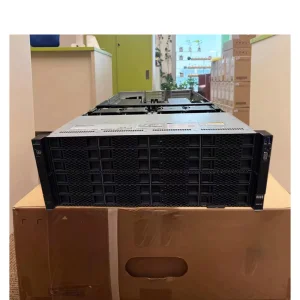
FusionServer 5288 V7 4U Ai Data Servers Gpu Storage Deepseek Xeon Computer Rack Cloud Center Cpu Short Depth Oem For Sale Server
View product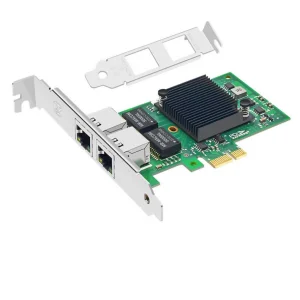
9540-8i RAID PCIE 4.0 X8-Vendor ID 1000-Device 10E6-1-Subvendor ID 1000-Subdevice ID 40D5-12G SAS RAID Controller Card
View product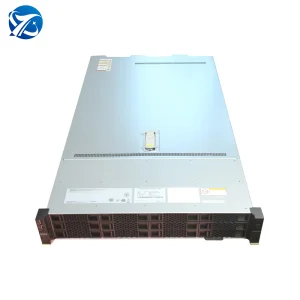
FusionServer 2288H V5 Servers Computer Nas Storage Pc Gpu And Buy Workstations Web Devices Ssd Networks Rack Xeon Server
View product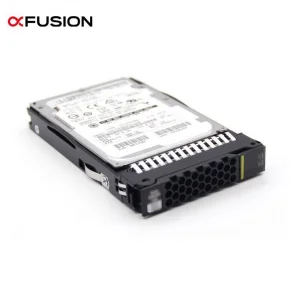
Servers SATA HDD Hard Drive Disk 4000GB/6000GB/8000GB/10TB /12TB/14TB/16TB/20TB SATA 6.0Gb/s-7.2K (3.5-inch Bracket Included)
View product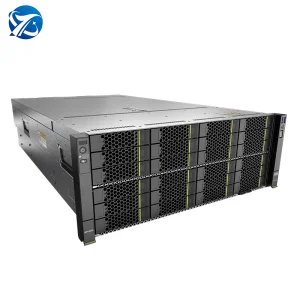
Ai Gpu Rack 1U 4U 10Gbps Dedicated Deep Learning With Multiple Data Center Container 2U Pc Dell Poweredge Robot Server
View product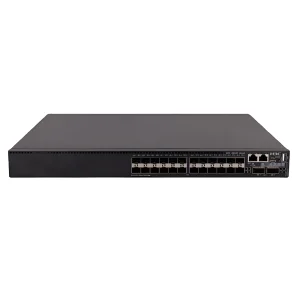
H3C S6520X-30QC-EI 24 Port Network Switch with 10G+2 40GE Optical All-Optical Three-Layer Core 10G Switch Expansion Support
View product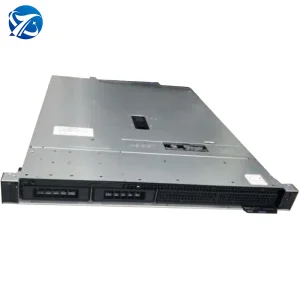
Wholesale Shenzhen PowerEdge R260 1U Rack Mount 1U Dell Workstation Servers Rack Nas Precision Xeon Server
View productEnterprise buyers searching for a China rack mount solutions manufacturer and exporter usually have more than a commodity purchase in mind. They are validating a deployment path.
Can the supplier support a rack-level BOM, match GPU and CPU availability, validate thermals and power, document export compliance, and keep replacement parts flowing after the initial shipment? The answer depends less on a single server specification and more on the manufacturer’s engineering discipline, supply-chain depth and post-sale coordination. That is why rack-level engineering has become a stronger buying signal than a long list of isolated components.
CloudionAI approaches rack mount solutions as integrated infrastructure. The portfolio spans 1U, 2U, 4U and 8U server platforms, short-depth OEM systems, GPU compute racks, RAID controllers, enterprise switches, server memory, Xeon processors and high-capacity SATA storage. That breadth matters because a modern AI or cloud rack is rarely a single SKU; it is a combination of compute density, storage throughput, network fabric, thermal headroom and firmware consistency.
For procurement teams, the strongest suppliers provide information gain: test evidence, BOM clarity, power and cooling guidance, export documentation, lifecycle planning and transparent assumptions. This guide is structured around those buyer questions rather than generic product claims.
High-intent rack mount sourcing usually includes five checks before an order is placed.
GPU density, CPU balance, memory bandwidth, storage throughput and network speed must be designed together for training and inference.
Chassis, power architecture, thermal design and firmware-level tuning may need adjustment before a rack can be standardized globally.
Documentation, labeling, test reports and destination-market requirements should be confirmed per SKU, not assumed from a brochure.
Power standards, plug types, BIOS settings, OS compatibility and spare-parts planning influence total deployment risk.
A rack mount solution is a validated combination of compute, storage, networking and infrastructure components designed to operate inside a standard server rack.
A rack mount solution is more than a server installed in a 19-inch chassis. It may include 1U and 2U compute nodes, 4U storage platforms, 8U GPU systems, short-depth edge servers, RAID controllers, optical switches, DDR4 or DDR5 server memory, Xeon processors, SATA or SAS drives, power distribution, cable management, cooling design and management interfaces. The value of a solution comes from how these elements behave together under sustained load.
Form factor choice should follow the workload. Dense 1U and 2U systems are often appropriate for virtualization, web services and inference nodes. 4U platforms provide room for storage bays, expansion cards or multiple accelerators. 8U GPU racks support high-density AI training and model-serving environments. Short-depth systems are useful where rack space is limited, such as edge cabinets or distributed sites. Components such as the 9540-8i RAID controller, H3C S6520X series switch, XFusion DDR4 RDIMM memory and Xeon CPU options allow buyers to tune the platform around real deployment constraints.
1U, 2U, 4U and 8U servers, GPU-ready nodes, short-depth OEM systems and Xeon-based rack servers.
High-capacity SATA HDDs, RAID controllers, SSD/HDD mixing and storage-oriented chassis for NAS and data lakes.
10G, 40GE and optical core switching options that connect compute, storage and management networks.
Server memory, processors, firmware settings, power configuration, cooling and rack-level validation.
For global buyers, the most useful question is not “Which server is cheapest?” but “Which rack configuration is repeatable, serviceable and compliant for the target site?” That shift from component shopping to deployment planning is where experienced manufacturers create measurable value.
China’s advantage is not simply cost. It is an industrial cluster in which chassis, PCB, connectors, thermal modules, memory, storage, processors and test services can be coordinated with speed.
For rack mount projects, this cluster effect shortens engineering iterations, improves component availability and supports rapid customization. Cloudion AI Systems Ltd operates a modern manufacturing facility covering approximately 18,600㎡, equipped with advanced assembly lines, automated testing systems and precision engineering workshops to ensure consistent product quality and performance stability. Its supply chain is supported by more than 1,100 upstream partners, including semiconductor suppliers, PCB manufacturers, cooling system providers and enterprise-grade component vendors.
The company’s R&D department consists of approximately 320 engineers specializing in AI hardware design, distributed computing systems and high-efficiency thermal management technologies. In the past year, CloudionAI launched 86 new products, reflecting a strong innovation pipeline. With annual export revenue in the range of USD 12 million, 7 years of export experience and more than 12 years of industry expertise in high-performance computing and server infrastructure, the manufacturer supports North America, Europe and Southeast Asia markets.
Multiple sourcing paths for processors, memory, storage, RAID, networking and chassis components support faster project planning.
Advanced assembly lines and automated test systems help reduce handover risk between hardware, firmware and system validation.
Chassis design, GPU configuration, power architecture, thermal engineering and firmware tuning can be aligned to project needs.
Export experience across North America, Europe and Southeast Asia supports realistic planning for packaging, labeling and delivery.
Localized support means more than language. It means matching the rack to the electrical, operational and compliance environment of the destination site.
Enterprise deployments often cross multiple power standards, plug types, rack depths, cooling assumptions and operating procedures. A rack mount solution that performs well in one region may require different power cabling, BIOS settings, firmware versions, drive carriers or documentation in another. CloudionAI supports project-specific configuration discussions, including chassis design, GPU configuration, power architecture optimization, thermal system engineering and firmware-level tuning. For buyers with distributed sites, this planning reduces the risk of receiving hardware that fits the specification sheet but not the real cabinet.
Compliance assurance should be evidence-driven rather than assumed. CloudionAI enforces quality through ISO-based quality management systems, thermal stress testing, burn-in testing and full system load validation. Product inspection methods include automated optical inspection, hardware-in-the-loop testing and multi-stage functional verification. The quality-control team consists of 48 professional inspectors ensuring strict compliance with global standards. Final certification scope, labeling requirements and destination-market documentation should still be confirmed for each SKU and destination, because compliance obligations vary by product and country.
Voltage, plug type, PDU compatibility, rack depth, airflow direction and cable clearance are reviewed against the target site.
Commercial invoices, packing lists, product labels, test records and other project documents can be prepared for cross-border shipment.
Serial-number tracking, inspection records and validation results help procurement and engineering teams audit delivered systems.
Replacement parts, RMA coordination and local partner communication can be planned before the first rack is deployed.
Regulatory requirements differ by destination market, product category and configuration. Buyers should verify the required certification scope, safety documentation, electromagnetic compatibility requirements, data-security policies and import documentation for each rack mount SKU before purchase. CloudionAI’s ISO-based quality management and multi-stage test process provide a strong operational foundation, while final applicability remains project-specific.
Large organizations rarely buy a rack mount system as a one-off transaction. They evaluate total cost of ownership, deployment repeatability, compliance evidence and lifecycle support.
A strong rack mount supplier should make technical and commercial trade-offs visible. Performance per watt, accelerator density, network oversubscription, storage throughput, firmware stability and spare-parts lead time all affect total cost of ownership. Buyers should ask for rack-level power budgets, thermal assumptions, benchmark context, BOM change-control procedures and warranty terms. The goal is not only to compare purchase price, but to understand the cost of integrating, operating, servicing and expanding the platform over its useful life.
Workload fit, CPU-GPU balance, memory population, storage topology, network fabric and thermal headroom must be documented.
Lead times, component availability, MOQ flexibility, Incoterms, packaging, freight planning and payment terms should be transparent.
Incoming inspection, assembly control, burn-in, load testing, final inspection and serial-number traceability should be defined.
Firmware updates, replacement parts, expansion capacity, RMA handling and end-of-life transition reduce long-term operational risk.
Experienced procurement teams also separate claims from evidence. A supplier that can explain assumptions, identify configuration limits and document validation methods is usually easier to integrate into enterprise governance than one that promises “best performance” without context.
Rack density, power delivery and cooling are becoming strategic design variables as AI workloads move from experimentation to production.
AI infrastructure is pushing rack mount design toward higher accelerator density, faster interconnect, liquid cooling readiness, PCIe 5.0 platforms, DDR5 memory and stronger telemetry. At the same time, edge deployments require short-depth systems that can operate in constrained cabinets. Buyers want modularity: a platform that can start with a focused configuration and expand without re-architecting the entire rack. Sustainability expectations are also increasing, with more attention paid to power efficiency, airflow management and serviceable components.
8U GPU platforms and high-density nodes require careful power budgeting, airflow planning and network fabric alignment.
Liquid cooling adoption is growing for high-wattage accelerators, with integration planning needed at chassis and rack level.
Newer platforms improve I/O and memory bandwidth, but buyers must validate compatibility, firmware maturity and thermal impact.
Serviceable components, efficient power supplies and scalable storage help extend rack life and reduce operational waste.
Different sites need different rack profiles. Matching the platform to the deployment environment is as important as matching the benchmark to the workload.
8U GPU racks, high-bandwidth networking and liquid-cooling-ready designs support sustained training workloads in centralized data centers.
1U and 2U short-depth platforms can bring inference capacity closer to retail, industrial or regional sites with limited rack space.
2U servers, DDR4 RDIMM memory and high-speed switching support general cloud services, virtualization and private-cloud estates.
4U storage platforms, RAID controllers, SATA HDDs, Xeon processors and optical core switches support HPC and data-lake deployments.
Cloudion AI Systems Ltd is a high-performance AI GPU server manufacturer dedicated to delivering next-generation computing infrastructure for global AI workloads.
Built under the brand CloudionAI (https://cloudionai.com), the company specializes in scalable GPU server architectures designed for deep learning, model training, inference acceleration, and cloud data center deployment.
Founded in 2016, Cloudion AI Systems Ltd has developed a strong reputation in the global AI hardware industry, supported by years of engineering expertise and continuous innovation in high-density computing systems. The company operates a modern manufacturing facility covering approximately 18,600㎡, equipped with advanced assembly lines, automated testing systems, and precision engineering workshops to ensure consistent product quality and performance stability.
With annual export revenue in the range of USD 12 million, CloudionAI serves international markets across North America, Europe, and Southeast Asia. The company has accumulated 7 years of export experience and over 12 years of industry expertise in high-performance computing and server infrastructure.
Quality assurance is strictly enforced through ISO-based quality management systems, thermal stress testing, burn-in testing, and full system load validation. Product inspection methods include automated optical inspection, hardware-in-the-loop testing, and multi-stage functional verification. The quality control team consists of 48 professional inspectors ensuring strict compliance with global standards.
CloudionAI maintains a diversified trade background with strong participation in both OEM and ODM markets. Its supply chain is supported by more than 1,100 upstream partners, including semiconductor suppliers, PCB manufacturers, cooling system providers, and enterprise-grade component vendors.
The company’s primary markets include enterprise AI infrastructure providers, cloud service operators, research institutions, and data center integrators. CloudionAI also offers extensive R&D capabilities, supporting custom GPU server configurations, liquid cooling solutions, and hybrid cloud deployment architectures.
Customization options include chassis design, GPU configuration, power architecture optimization, thermal system engineering, and firmware-level tuning. In the past year, CloudionAI launched 86 new products, reflecting its strong innovation pipeline. The R&D department consists of approximately 320 engineers specializing in AI hardware design, distributed computing systems, and high-efficiency thermal management technologies, ensuring continuous advancement in next-generation GPU server solutions.
Quality is not a final inspection step. It is a sequence of engineering, assembly, testing and documentation controls that begins before components reach the production line.
CloudionAI’s quality process includes thermal stress testing, burn-in testing and full system load validation, supported by automated optical inspection, hardware-in-the-loop testing and multi-stage functional verification. This combination is important for rack mount solutions because failures often appear only under sustained load, mixed I/O pressure or elevated temperature. A rack that boots successfully is not necessarily ready for production.
Configuration, power budget, thermal design, firmware baseline and compatibility are checked before assembly.
Automated optical inspection and structured build controls help identify assembly defects before system-level testing.
Thermal stress, burn-in and full system load testing expose stability issues that short functional checks may miss.
Multi-stage functional verification, hardware-in-the-loop testing and inspection records support export documentation and traceability.
Manufacturing depth, assembly discipline and testing capability are central to reliable rack mount solutions for AI, cloud and enterprise deployments.
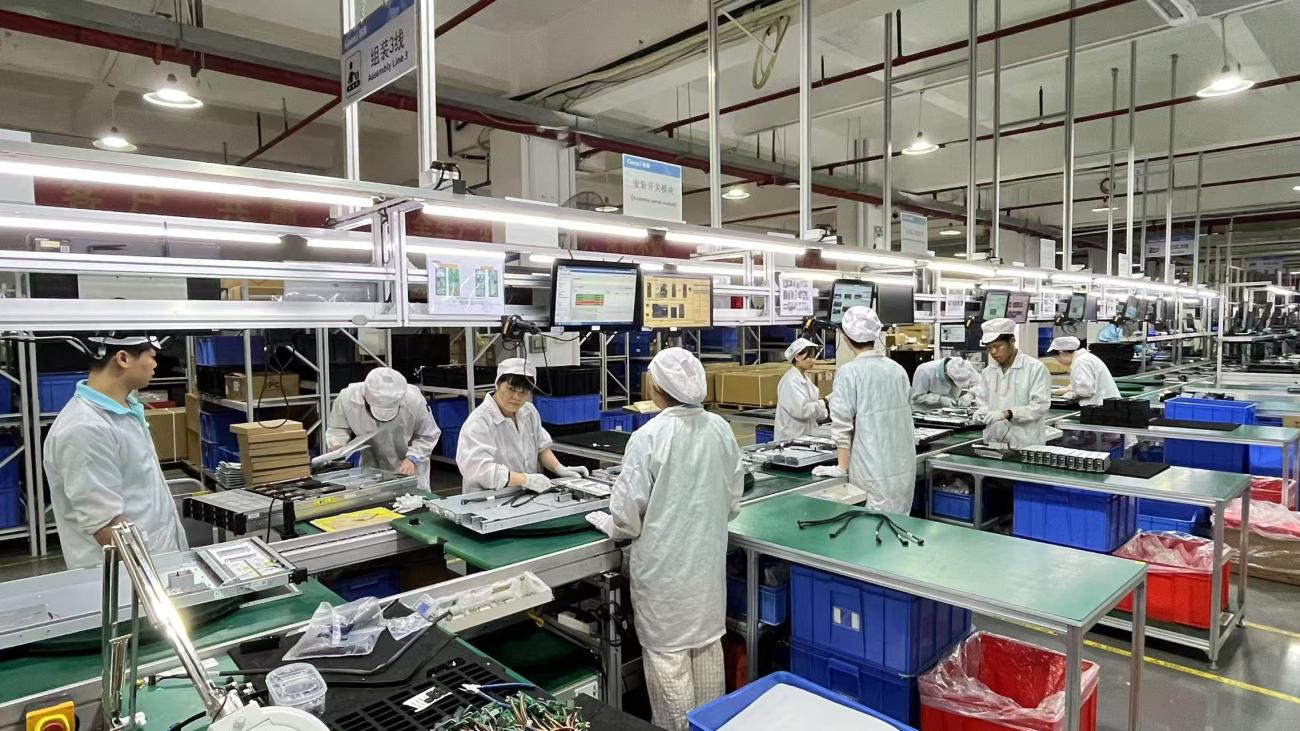
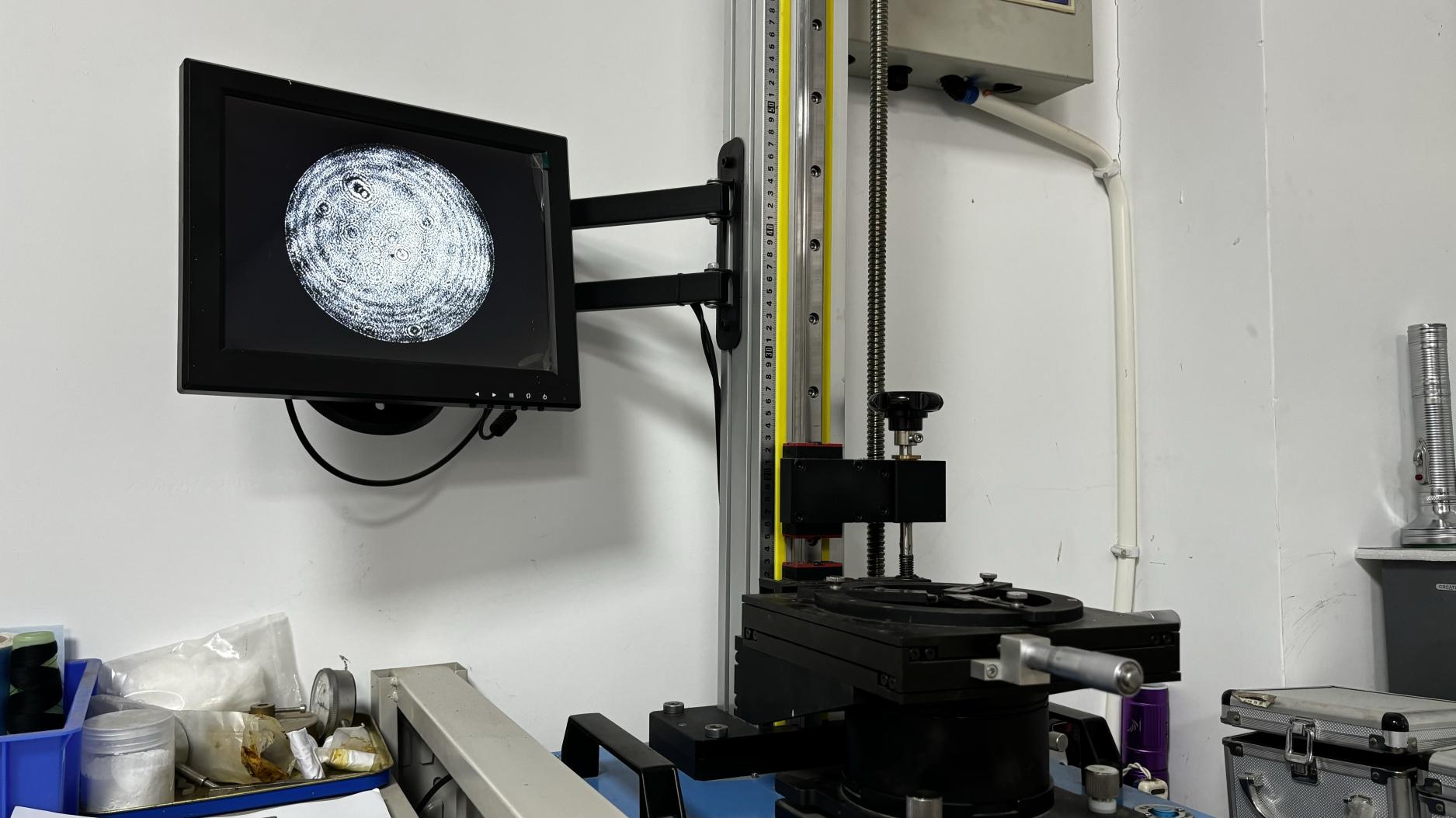
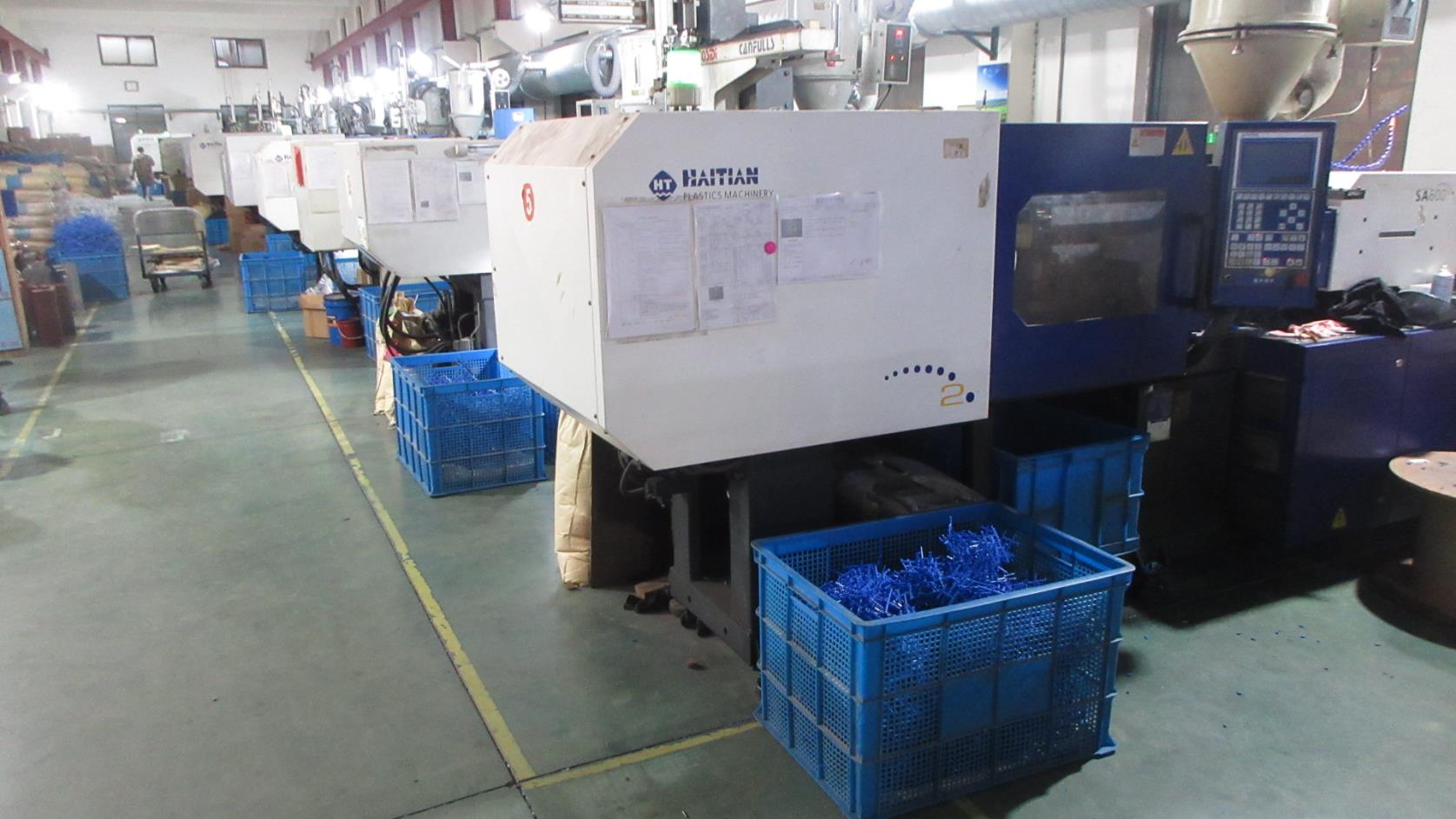
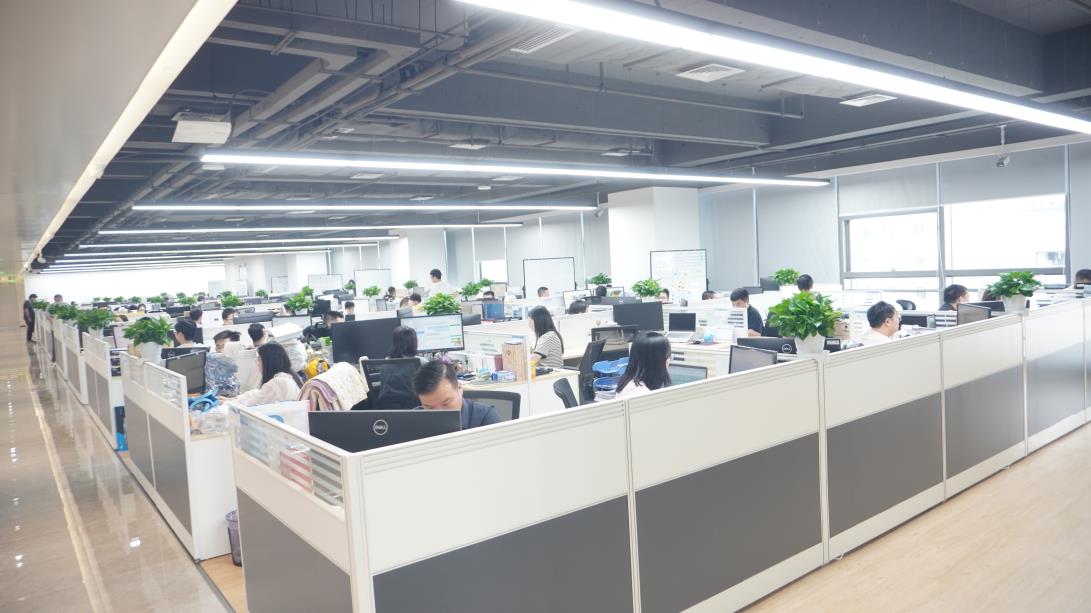
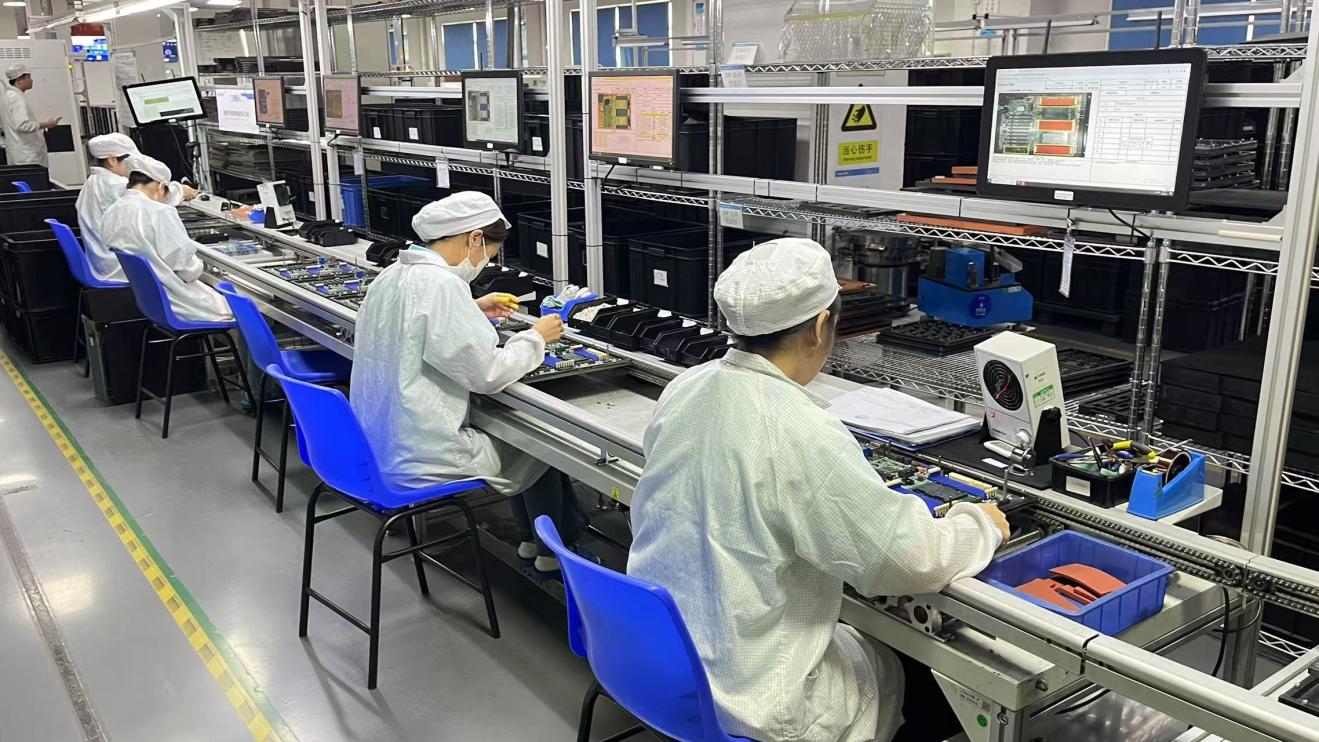
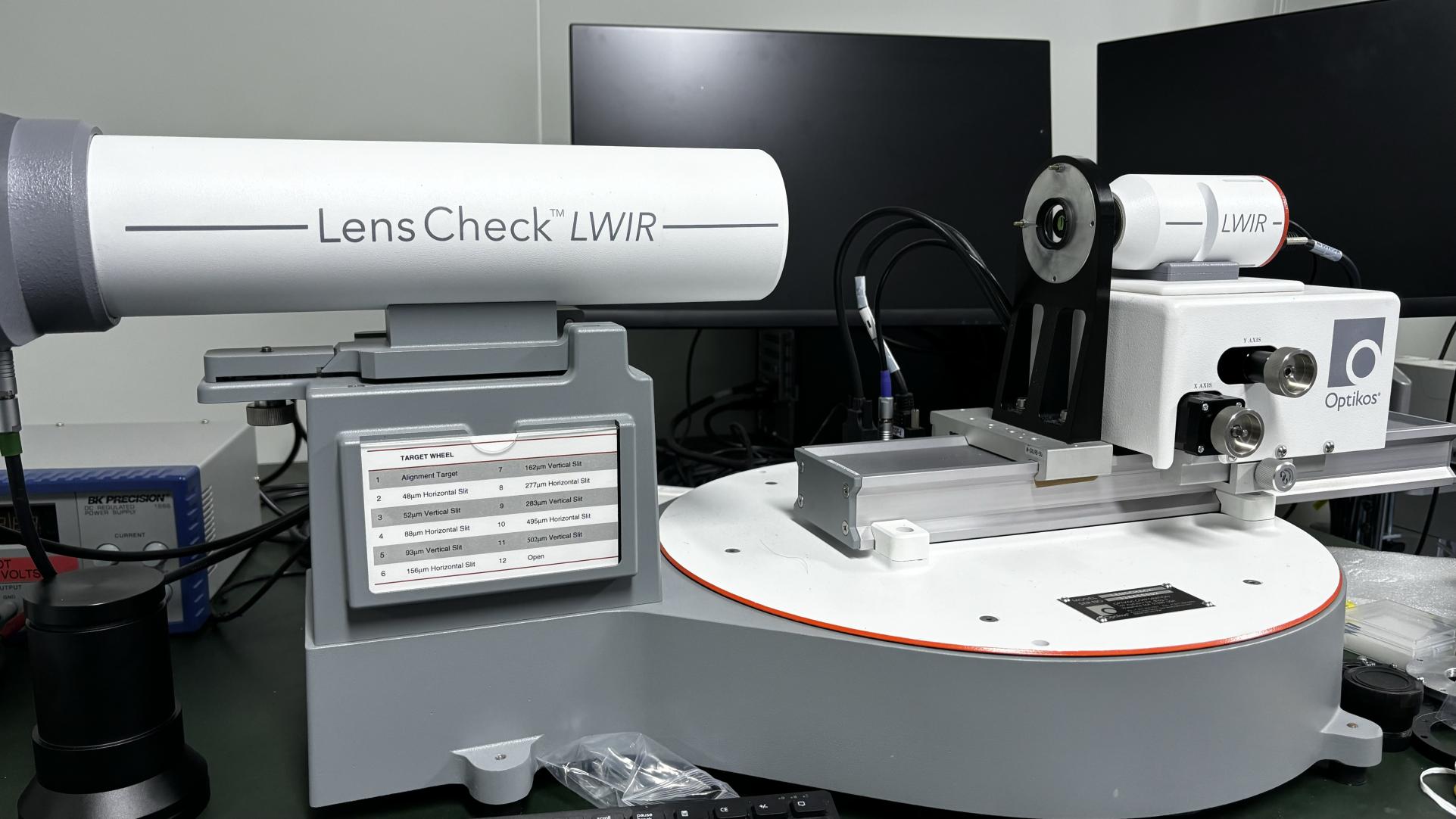
Customization is valuable only when it remains testable, documentable and repeatable. CloudionAI supports OEM and ODM projects across chassis, compute, power, thermal and firmware layers.
Customization options include chassis design, GPU configuration, power architecture optimization, thermal system engineering and firmware-level tuning. The company also supports liquid cooling solutions and hybrid cloud deployment architectures. For buyers, the practical workflow should begin with a clear requirement brief: workload profile, rack constraints, power availability, cooling method, network topology, storage target, compliance scope and expected lifecycle. From there, engineering can define a BOM, prototype plan, validation criteria and production ramp.
Rack depth, drive bays, expansion slots, airflow direction and service access can be aligned to deployment needs.
Accelerator count, CPU pairing, memory population, storage topology and network interfaces are balanced around the workload.
Power architecture, PSU selection, airflow design and liquid-cooling readiness are reviewed against rack-level constraints.
BIOS settings, firmware baselines, driver compatibility and operating-system validation support repeatable global rollouts.
These answers address common procurement, engineering and localization questions from global buyers evaluating rack mount manufacturers and exporters in China.
A rack mount server is one chassis-level product. A complete rack mount solution includes the server plus storage, networking, memory, RAID, power, cooling, firmware, documentation and integration validation. The solution view helps buyers avoid compatibility gaps and deployment delays.
Yes. CloudionAI participates in both OEM and ODM markets and supports customization across chassis design, GPU configuration, power architecture, thermal engineering and firmware-level tuning. Project scope, validation criteria and documentation should be defined before production.
Support can include power and plug configuration, rack-depth review, BIOS and firmware settings, OS compatibility guidance, export documentation, spare-parts planning and coordination with local service partners. The exact model is confirmed per project and destination.
Compliance is handled through an ISO-based quality management system, inspection records, test evidence, labeling and project-specific export documentation. Because requirements vary by SKU and country, buyers should confirm the final certification and import scope for each destination market.
Testing can include thermal stress testing, burn-in testing, full system load validation, automated optical inspection, hardware-in-the-loop testing and multi-stage functional verification. The 48-person quality team supports strict inspection and traceability controls.
AI training often benefits from 4U or 8U GPU platforms with high power headroom, fast networking and liquid-cooling readiness. Inference may use 1U, 2U or short-depth systems where density and site constraints are more important than maximum accelerator count.
Compare engineering depth, BOM transparency, test evidence, customization capability, supply-chain access, export experience, documentation quality, warranty terms and spare-parts planning. A lower unit price can be outweighed by integration risk, downtime or compliance delays.
Yes. The portfolio includes RAID controllers, server memory, Xeon processors, SATA HDDs, network switches and rack mount server platforms. Component supply can support upgrades, spares and mixed-fleet environments across existing data centers.
Complete your rack design with additional GPU platforms, processors, memory, storage, networking and high-reliability server options for global AI and enterprise infrastructure.
New 2025 Ai xFusion FusionServer G8600 V7 8U GPU Rack Deepseek 8 Gpu Cloud Mount Network Strong Dedicated Server
View product
XFusion Fusionserver DDR4 RDIMM 16GB/32G/64GB -288pin-0.625ns-3200000KHz-1.2V-ECC-2 Rank Server Ram Memory
View product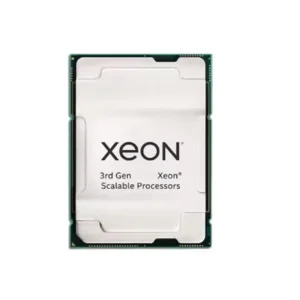
Processor CPU Xeon 4309Y/4310/4314/4316/5315Y/5317/5318Y/5320/6330 Suitable for Computer Server 2288H V6 5288 V6
View product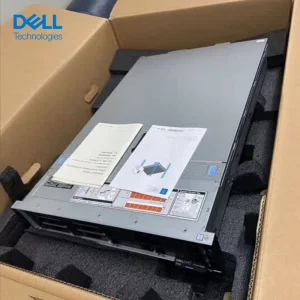
Hot Sale Intel Xeon 6th Generation Processor Equipped R670 Server Boosts Performance 6400MT/s Memory DIMM 3 Years Stock
View product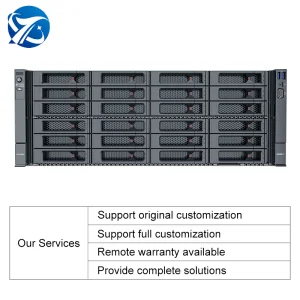
FusionServer G5500 V7 Ai Servers Computer Nas Storage Pc Gpu And Buy Workstations Web Devices Ssd Networks Rack Xeon Server
View product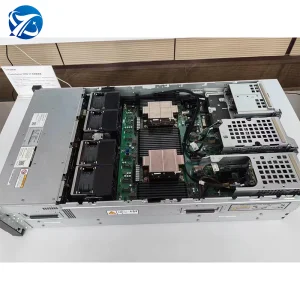
FusionServer 2288H V7 Ai Data Servers Gpu Storage Deepseek Xeon Computer Rack Cloud Center Cpu Short Depth Oem For Sale Server
View product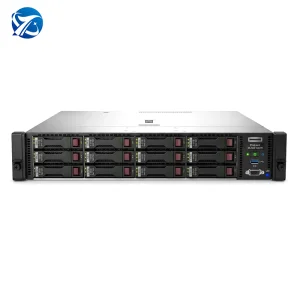
HPE ProLiant Compute DL360 Gen12 Rackmount Network Server 20EDSFF PCIe5 Liquid Cooling High-Density Servers Bulk Supply
View product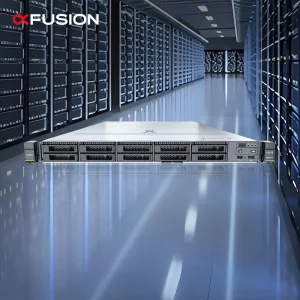
1288H V7 High Reliability and Security for Hpc OA Storage Data Nas Pc Ai Deepseek Rack Gpu Computer Web Center Mount Server
View product