Cloudion
Cloudion
Cloudion
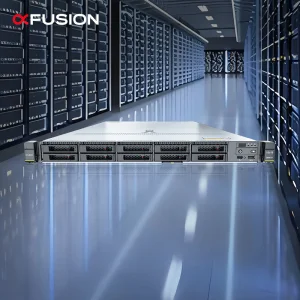
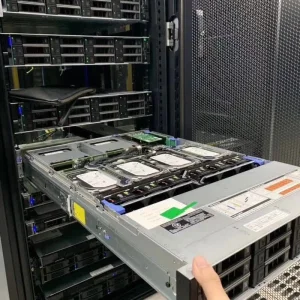
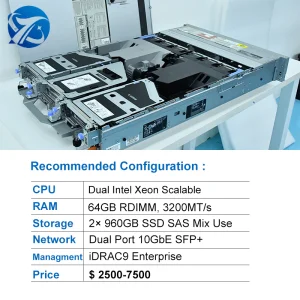
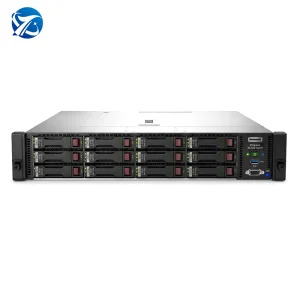
Founded in 2016, Cloudion AI Systems Ltd is a high-performance AI GPU server manufacturer dedicated to delivering next-generation computing infrastructure for global AI workloads. Operating under our flagship brand CloudionAI (https://cloudionai.com), we specialize in scalable GPU server architectures engineered specifically for deep learning, complex model training, intensive inference acceleration, and cloud data center deployment.
Over the years, CloudionAI has established an elite reputation in the international AI hardware ecosystem. Our engineering team leverages over 12 years of industry expertise in high-performance computing (HPC) and server infrastructure. This deep domain knowledge allows us to design robust, space-saving rack units and specialized components that serve as the foundational backbone for modern home labs, corporate sandboxes, and commercial data centers alike.
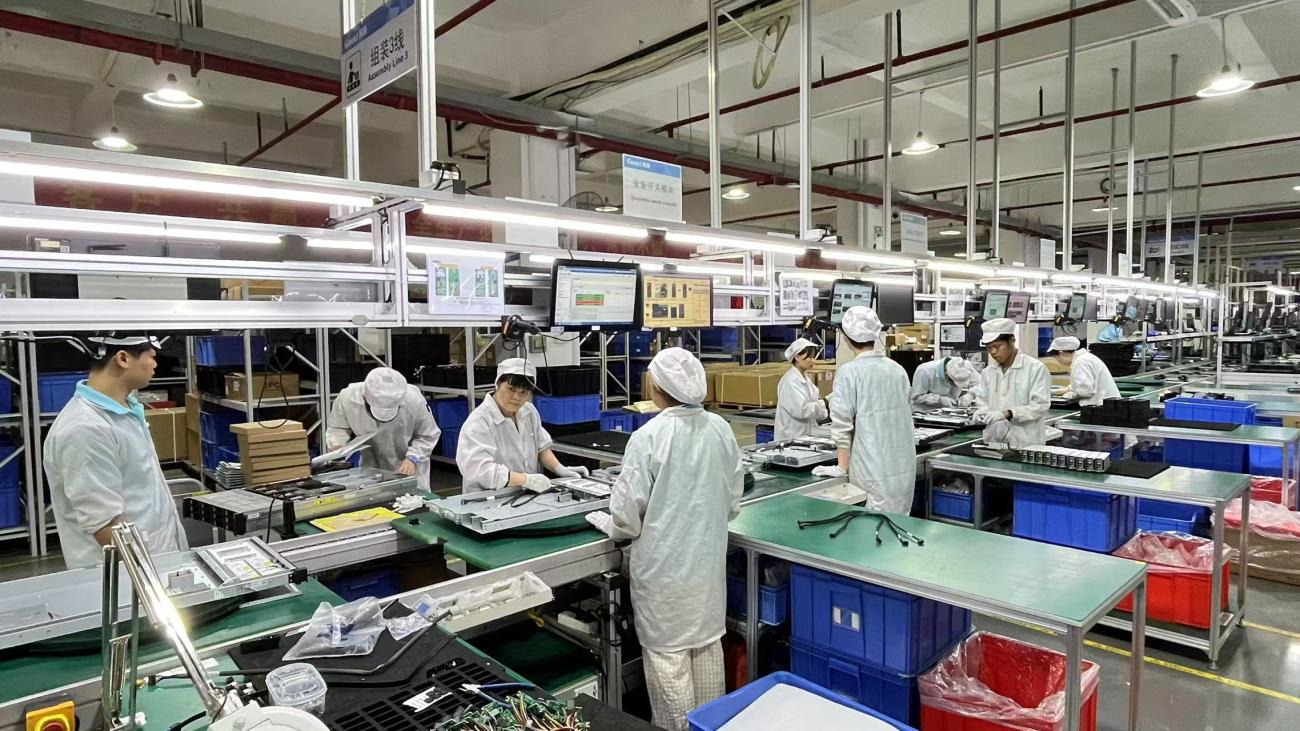
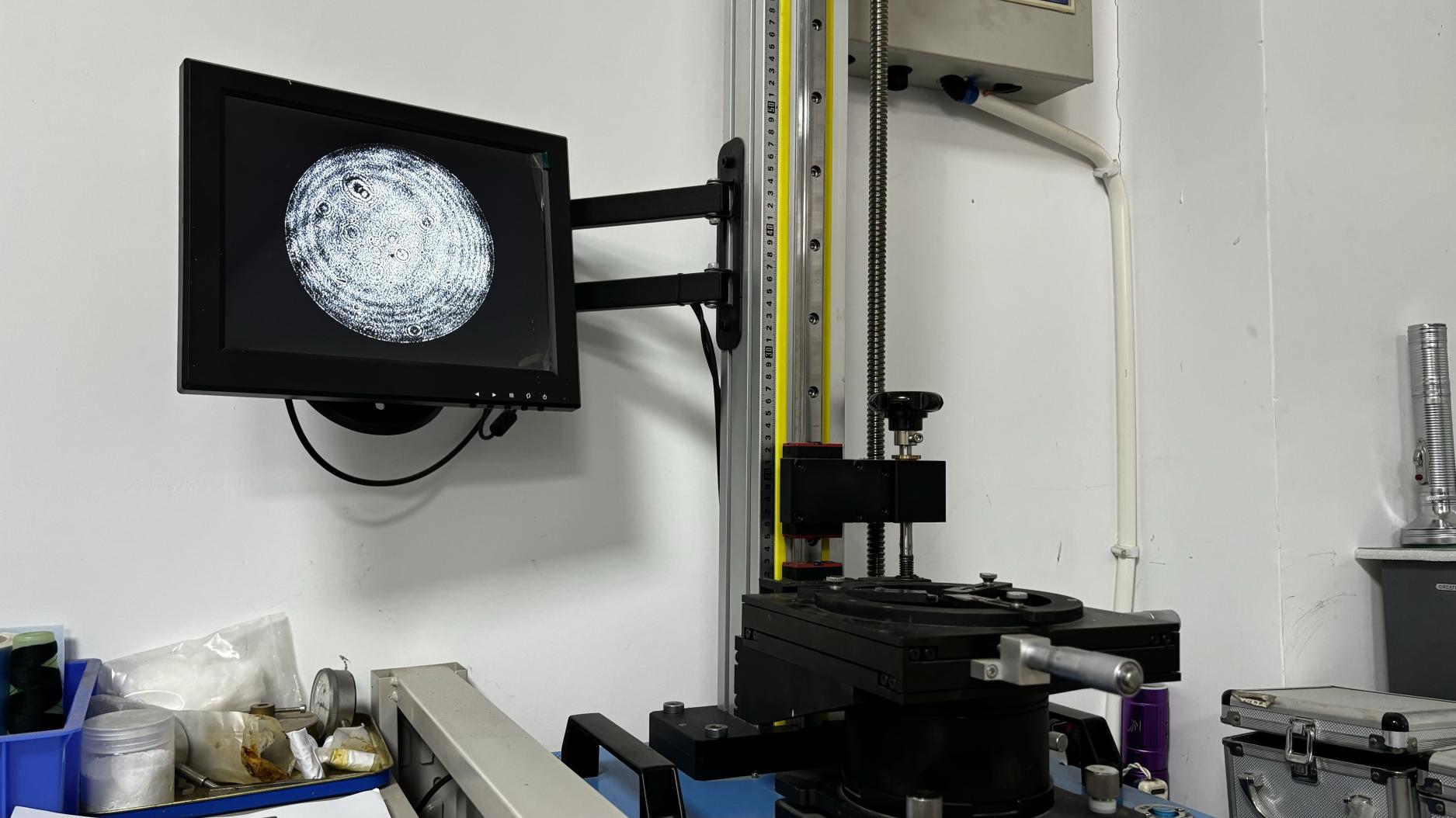
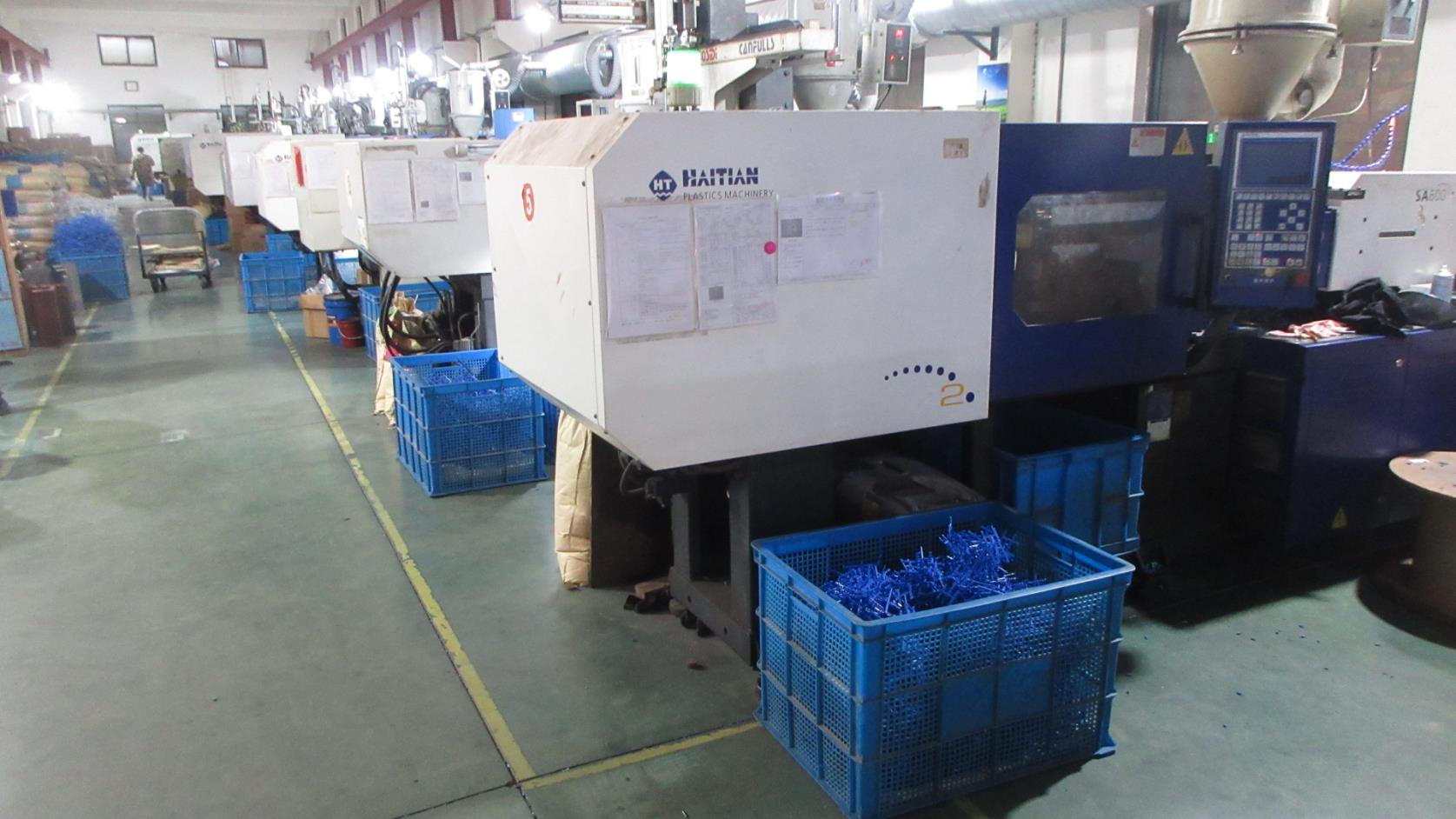
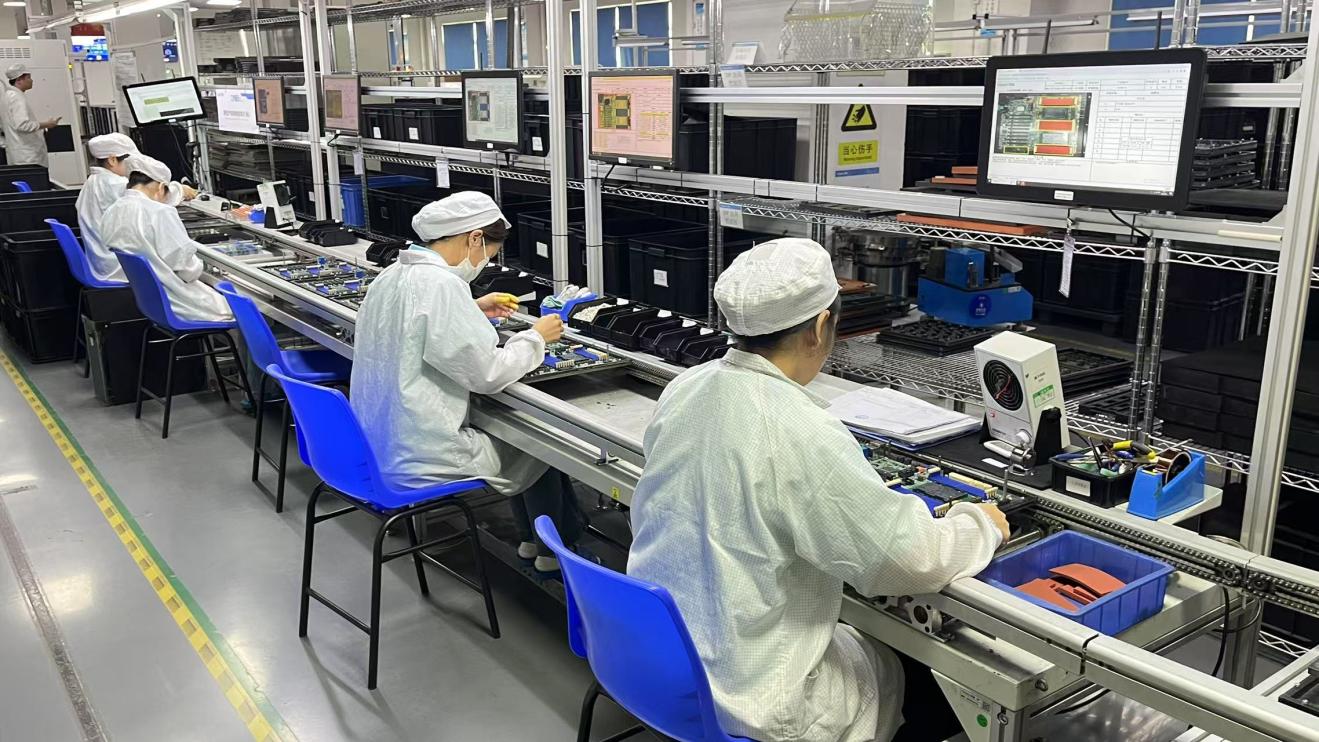
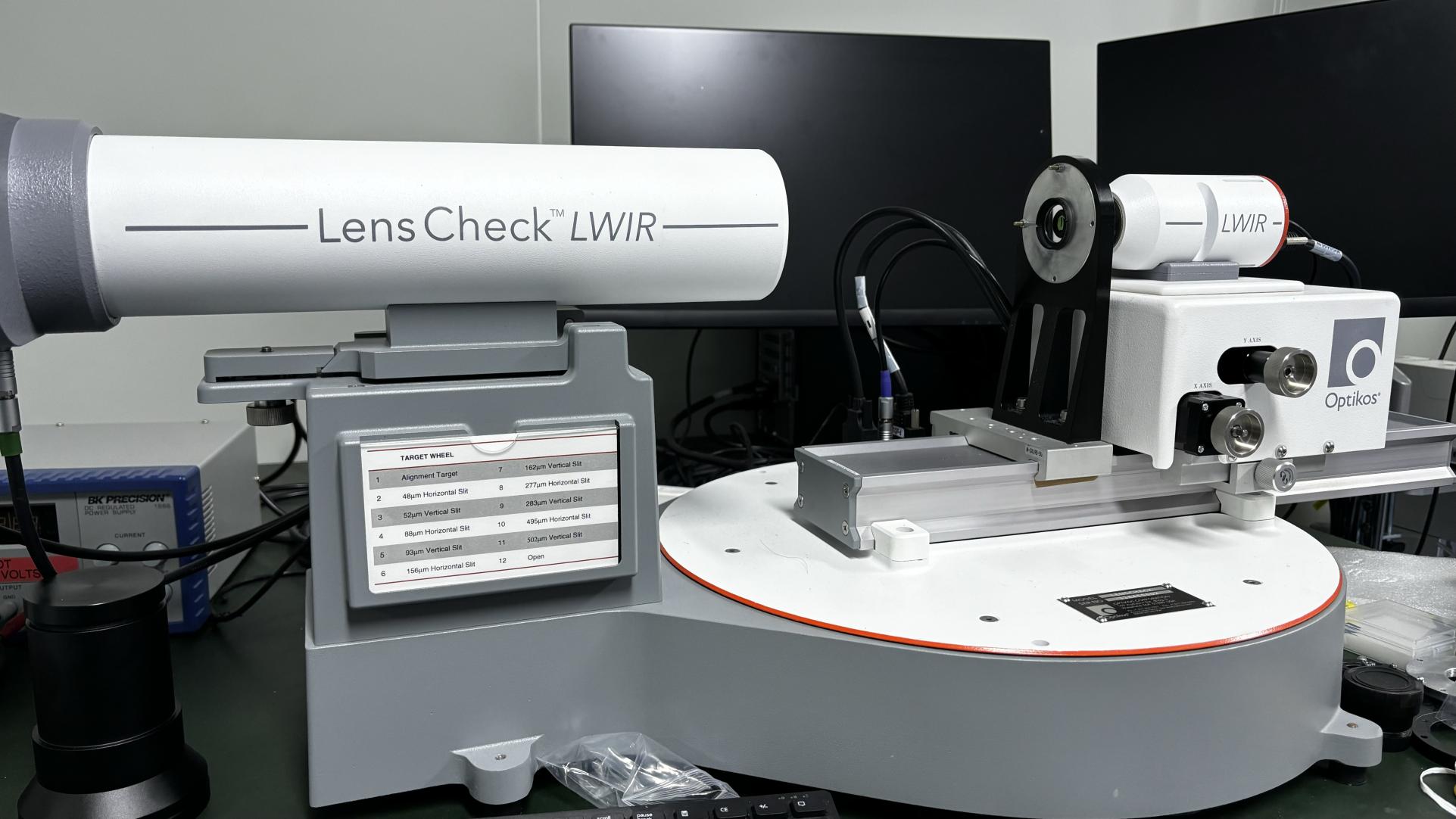
In our modern 18,600㎡ manufacturing facility, quality is not merely checked; it is designed into every stage of development. Our quality control workflow utilizes an ISO-based quality management system alongside state-of-the-art testing methods:
Backed by our 48 professional inspectors, CloudionAI guarantees that whether you are procuring a single server for a remote office home lab or a bulk shipment for a multi-row data center deployment, each unit complies with rigorous global safety and operational benchmarks.
Procuring home lab servers and high-performance server modules directly from China offers significant structural and supply-chain advantages for international enterprises and high-tier lab hobbyists:
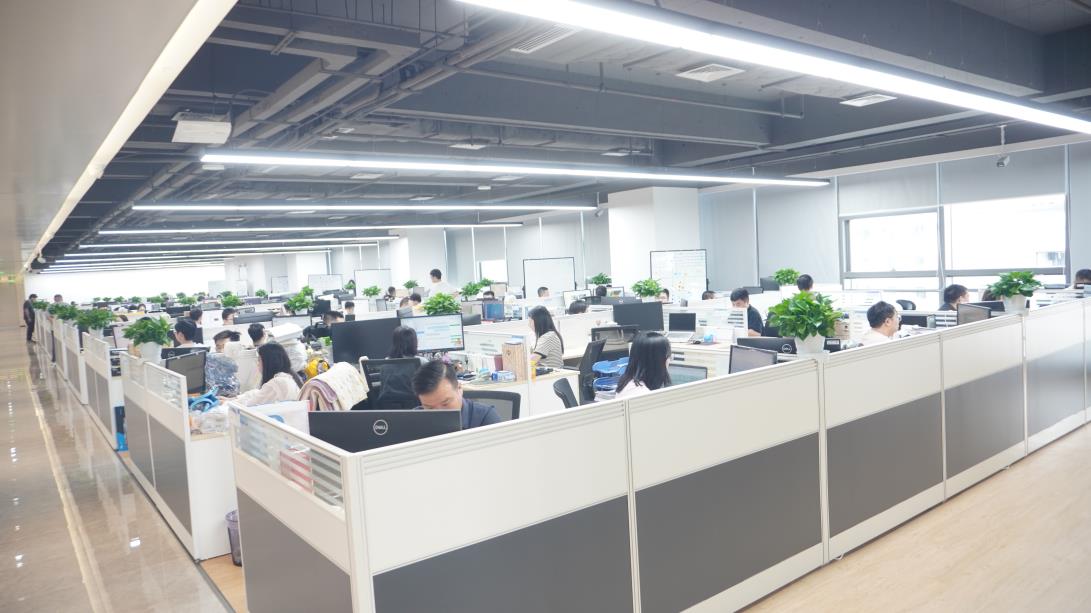
Unlike rigid global brands, our factories support customized hardware tuning, bespoke chassis designs, and customized BIOS modifications. With over 320 dedicated engineers on-site, we turn custom hardware concepts into functional prototypes rapidly.
We work with more than 1,100 trusted upstream partners. This means we have direct access to semiconductor suppliers, enterprise memory chips (DDR4/DDR5), solid-state flash media, active liquid cooling assemblies, and reliable power modules, ensuring stable lead times even during global shortages.
By bypassing third-party regional distributors, CloudionAI delivers tier-1 performance hardware directly from our Shenzhen area facilities. This structural cost efficiency allows research teams and enterprise buyers to stretch their budgets, securing up to double the RAM and processing threads compared to local source channels.
The boundary separating enterprise datacenters from professional home labs is dissolving. The democratization of Artificial Intelligence and high-throughput networking has triggered a shift in standard homelab server architectures:
| Feature Category | Traditional Home Lab Setup | Modern Enterprise-Grade Home Lab | The CloudionAI Edge |
|---|---|---|---|
| Primary Compute Focus | File storage (NAS) and basic media streaming. | Local AI inference (e.g., DeepSeek-R1), virtualization clusters. | Dual-socket Xeon / EPYC rack architectures with optimized cooling. |
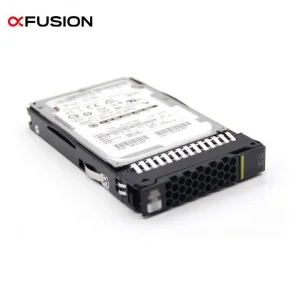
| Storage Technologies | Standard SATA mechanical hard disks or consumer SSDs. | U.2/U.3 NVMe PCIe Gen4/Gen5 read-dense enterprise SSDs. | Hybrid drive cages utilizing PM897 and PM9A3 series NVMe storage. |
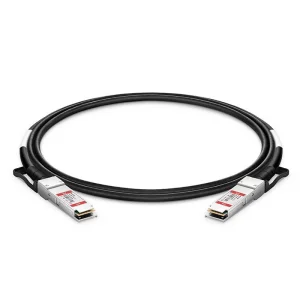
| Networking Speed | 1GbE to 2.5GbE RJ45 ethernet connections. | 10GbE / 40GbE SFP+ and QSFP+ direct attach links. | QSFP+ 10G/40G direct-attach cables and high-performance network adapters. |
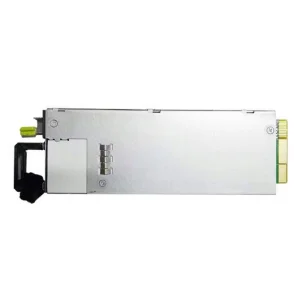
| Power Management | Single consumer PSUs with lower efficiency curves. | Redundant high-efficiency modules (Platinum/Titanium). | HVDC1500WB high-voltage modules for optimal energy utilization. |
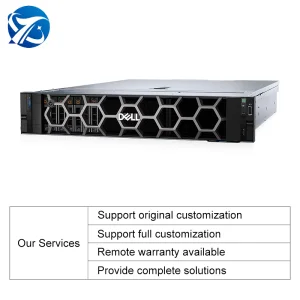
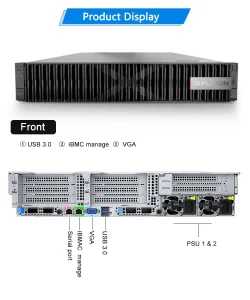
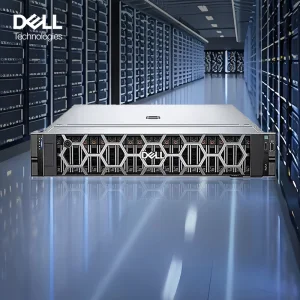
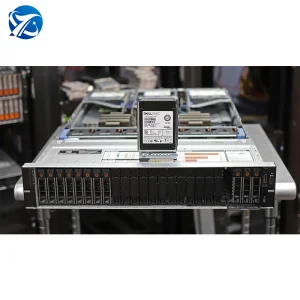
This technological shift demands more robust hardware. Hobbyists and developers now utilize actual 1U/2U server chassis like the FusionServer 1288H V7 or Dell PowerEdge R760XD2 because these rack-mounted chassis are built for continuous uptime, provide extensive PCIe expansion lanes for high-end accelerator cards, and support enterprise out-of-band remote management protocols.
Different application profiles require specific hardware configurations. Below are the primary ways developers, systems administrators, and enterprise researchers utilize our servers in localized environments:
Running advanced large language models (such as DeepSeek-R1) locally requires a high-bandwidth PCIe interface and reliable power distribution. Using servers like the 1288H V7 AI Deepseek system or the xFusion 2288H V7, researchers run low-latency Retrieval-Augmented Generation (RAG) models on private data without risking cloud data exposure.
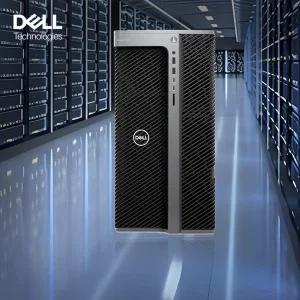
Sysadmins build virtualization environments using platforms like Proxmox VE, ESXi, or Hyper-V. High-density rack units like the Dell R750 or HPE DL360 Gen12, paired with enterprise DDR4/DDR5 RAM, host multiple distinct Virtual Machines and Kubernetes clusters to simulate live enterprise systems.
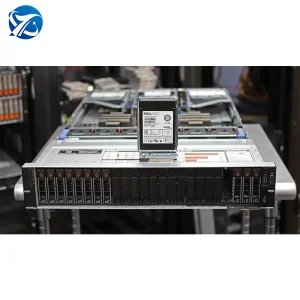
Content creators and storage enthusiasts deploy high-density storage platforms to host, manage, and transcode large assets. Systems such as the Dell PowerEdge R760XD2, configured with hybrid enterprise SATA SSDs (like the PM897 series) or high-capacity NVMe drives, provide high-throughput, redundant storage nodes.
CloudionAI operates a highly adaptive manufacturing plant that handles everything from bulk corporate hardware sourcing to low-volume custom configurations. Our R&D department collaborates directly with procurement leads to build specialized IT environments:
A 2-socket server supports two physical processors. This significantly increases core density, thread count, and available PCIe lanes, which are essential for hosting multiple virtual machines, running local AI models (such as DeepSeek), or processing high-throughput network data.
The HVDC1500WB high-voltage direct current power supply module is built for enterprise-grade power delivery. It offers high energy efficiency, low thermal output, and robust protection against input voltage fluctuations, reducing system crashes and protecting expensive internal compute components.
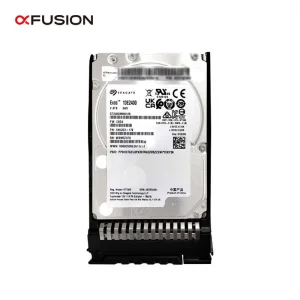
Enterprise SSDs like the PM9A3 series include power-loss protection (PLP), high write endurance (DWPD), and consistent low-latency performance. Consumer SSDs often lack PLP and can suffer from severe performance drops under write-heavy, multi-tenant home lab workloads.
Yes. Liquid cooling configurations significantly lower processor operating temperatures and allow the fans to run at lower RPMs, reducing ambient noise. This makes high-density server configurations quiet enough for home office or residential closet installations.
Through our ODM/OEM programs, we support customized chassis physical configurations, specific component selections (such as matching PM897 SATA SSDs or xFusion RAM), customized BIOS configurations, and white-label design solutions.
We employ custom, multi-layered high-density foam inserts, heavy-duty double-walled structural outer shipping cartons, and moisture-resistant barrier bagging. All high-density bulk shipments are palletized and secured with edge protectors to prevent physical transit damage.
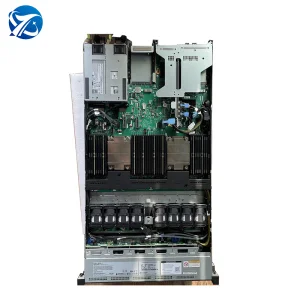
Take a look inside our 18,600㎡ modern assembly workshops, thermal testing cells, and validation chambers, where our engineers build next-generation hardware.