Cloudion
Cloudion
Cloudion
Maximize power distribution deployment efficiency with compatible industry-leading processing platforms, optimized for dynamic cluster environments.
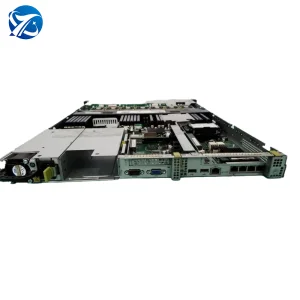
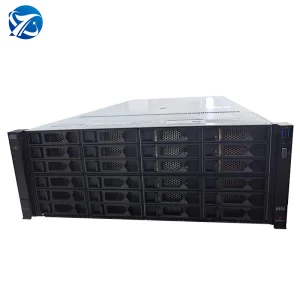
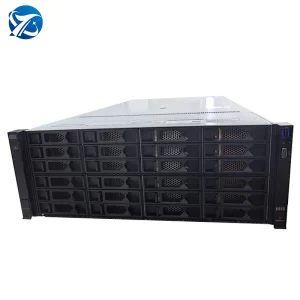
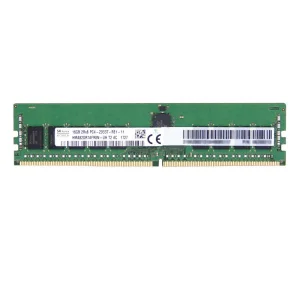
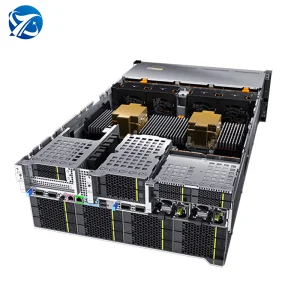
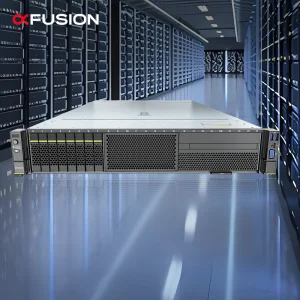
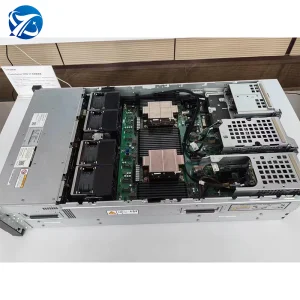
In the modern era of high-density AI clusters, high-performance computing (HPC), and dense enterprise deployments, standard utility infrastructures are falling short. A Power Distribution Unit (PDU) is no longer a simple power strip; it is the critical nexus where electrical grid reliability meets compute optimization. Selecting a global PDU supplier requires assessing parameters ranging from raw kW threshold tolerance and phase balancing, to firmware-level API security and environmental operating tolerances.
As organizations deploy high-compute configurations such as CloudionAI GPU clusters, power demands per rack have scaled from a traditional 5kW–10kW footprint to 40kW, 60kW, and even 100kW+ in liquid-cooled architectures. To meet this massive influx of power requirements, systems architects look to global PDU suppliers who offer not just physical components, but integrated solutions engineered to prevent downstream cascading failures.
Key technical criteria that data center engineers and procurement managers analyze during PDU supplier evaluation.
Real-time billing-grade energy metering (±1% accuracy) at the inlet, branch, and individual outlet levels. Integration with DCIM (Data Center Infrastructure Management) platforms via SNMP, Modbus, and secure REST APIs is a baseline requirement.
Remote power sequencing controls allow engineering teams to boot servers sequentially to prevent inrush current overloads, shed non-critical loads, and reboot locked-up hardware without physical dispatch.
Modern data centers run warmer to save on cooling (PUE optimization). Enterprise PDUs must operate reliably in high-ambient environments of up to 60°C (140°F) without thermal de-rating.
A side-by-side comparison of PDU architectures deployed by enterprise infrastructure partners.
| PDU Type | Monitoring Capability | Switching Capability | Ideal Application Scenario | Cost Factor |
|---|---|---|---|---|
| Basic PDU | None | None | Legacy workloads, low-density static distribution | Low |
| Metered PDU | Inlet-level local LED screen | None | Prevention of local branch circuit overload | Medium |
| Monitored PDU | Inlet & Branch level network reporting | None | Co-location facilities, capacity planning | High |
| Switched PDU | Inlet & Branch level network reporting | Outlet level remote control | Remote lights-out data centers, staging areas | Premium |
| Outlet Metered & Switched | Individual outlet real-time telemetry | Individual outlet remote control | High-Density AI GPU Clusters, Cloud service operations | Ultra-Premium |
How next-generation power infrastructure is evolving to support high-density AI clusters and ESG compliance.
Transitioning from traditional 208V to 415V/480V three-phase distributions directly to the rack. This eliminates step-down transformers, reduces copper losses, and increases efficiency by up to 2-3%.
Direct integration of manifold monitoring systems and dry-break leak sensor networks into the PDU chassis, managing unified cooling telemetry and power distribution under a single control board.
Applying localized Machine Learning algorithms directly within the PDU firmware to detect harmonic distortions, predict breaker failure modes, and notify operators of grid anomalies before outages occur.
Optimized configurations engineered for diverse vertical deployments, ensuring maximum uptime and efficiency.
For cloud providers managing millions of cores, density and fast provisioning are vital. Busway-fed, modular intelligent PDUs allow fast additions or alterations without taking entire racks offline. Hot-swappable network management modules ensure 99.999% communications uptime during control updates.
AI compute loads fluctuate drastically from idle state to 100% capacity training cycles. Power infrastructure must absorb massive, sudden dynamic load spikes without tripping. Custom dual-feed systems, physical circuit breakers per branch, and active phase-balancing help secure system resilience.
Backed by Cloudion AI Systems Ltd’s world-class manufacturing standards, custom validation, and global logistics capability.
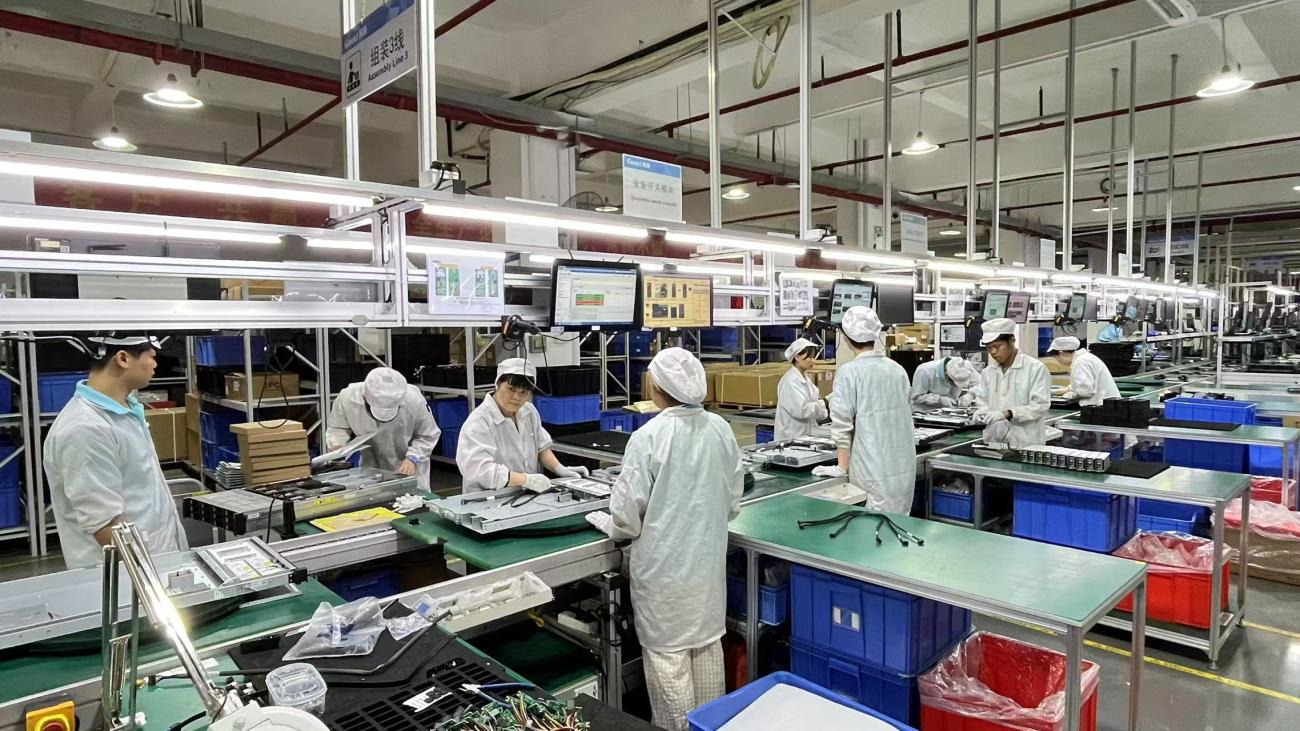
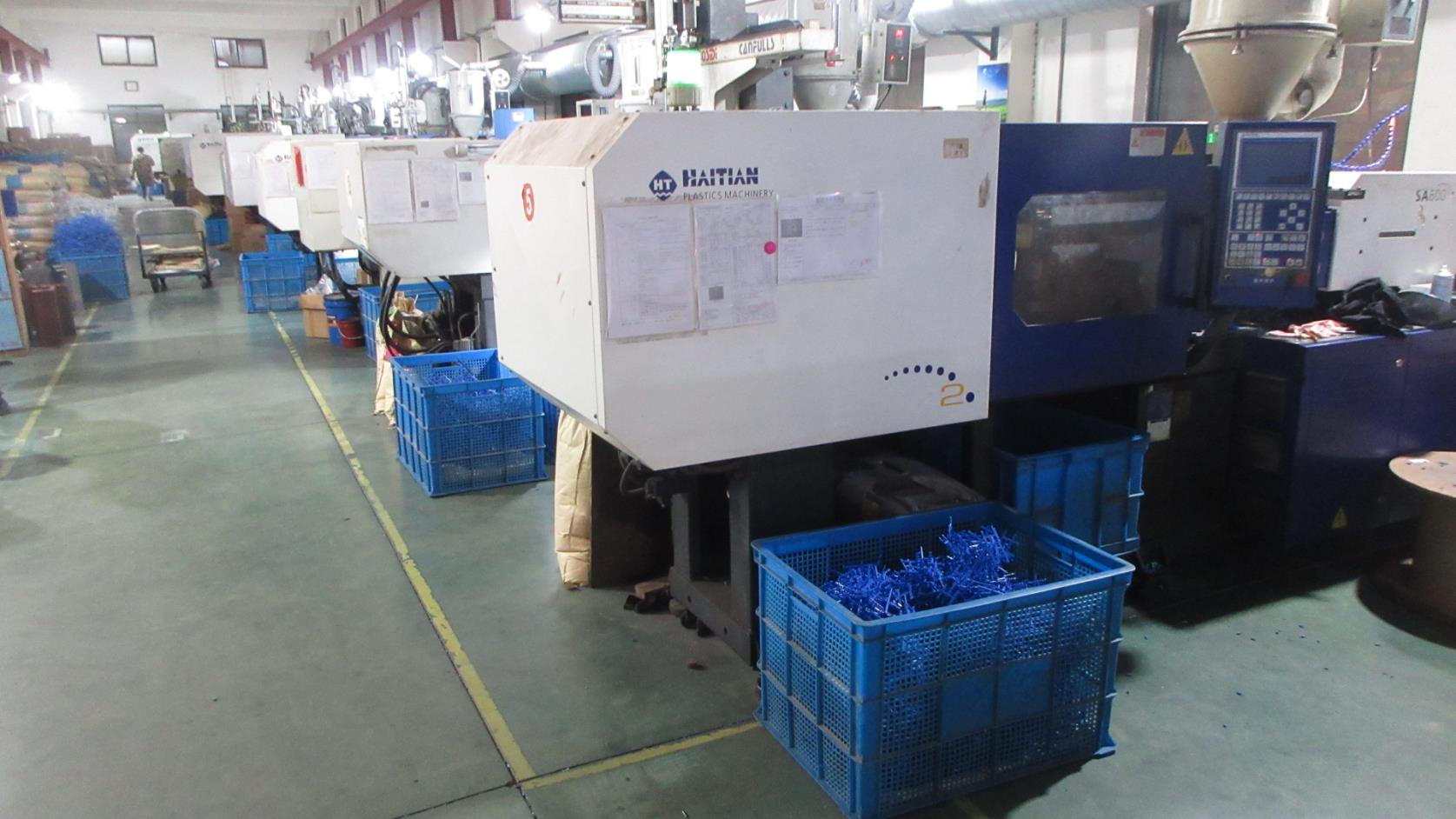
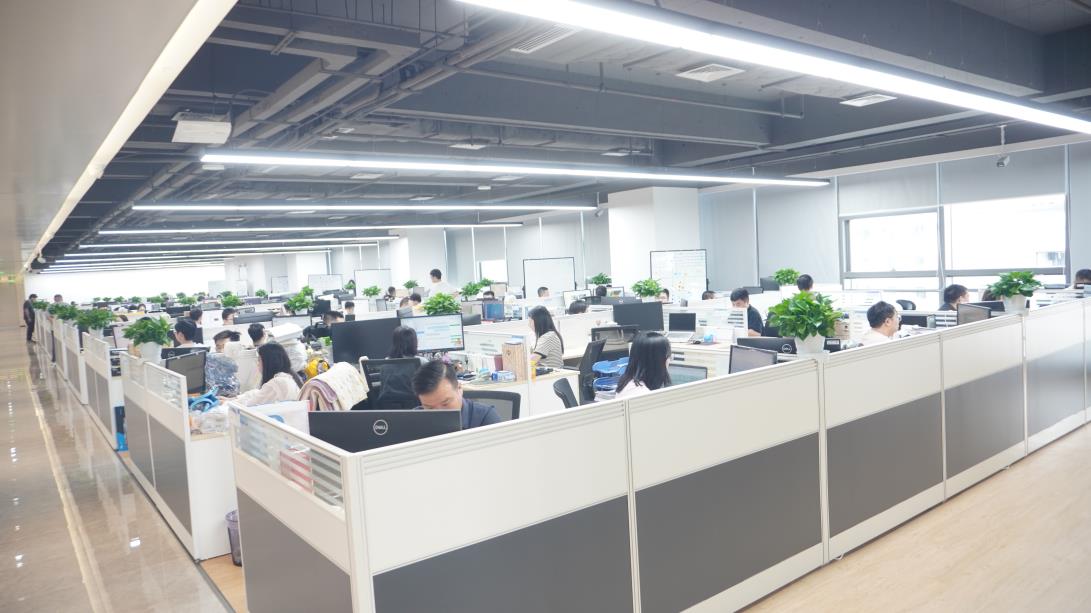
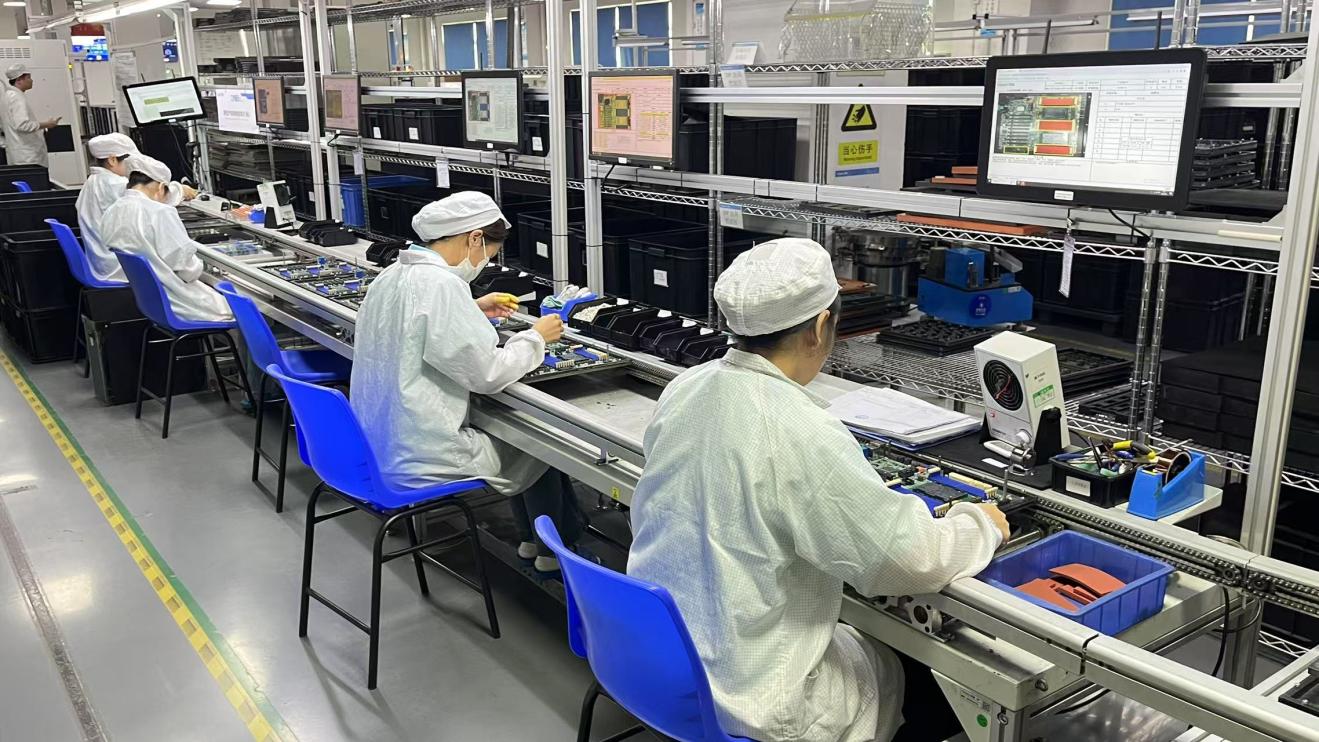
Operating from a state-of-the-art 18,600㎡ manufacturing facility, Cloudion AI Systems Ltd leverages robust engineering experience and strict quality protocols to manufacture hardware solutions that power global digital services.
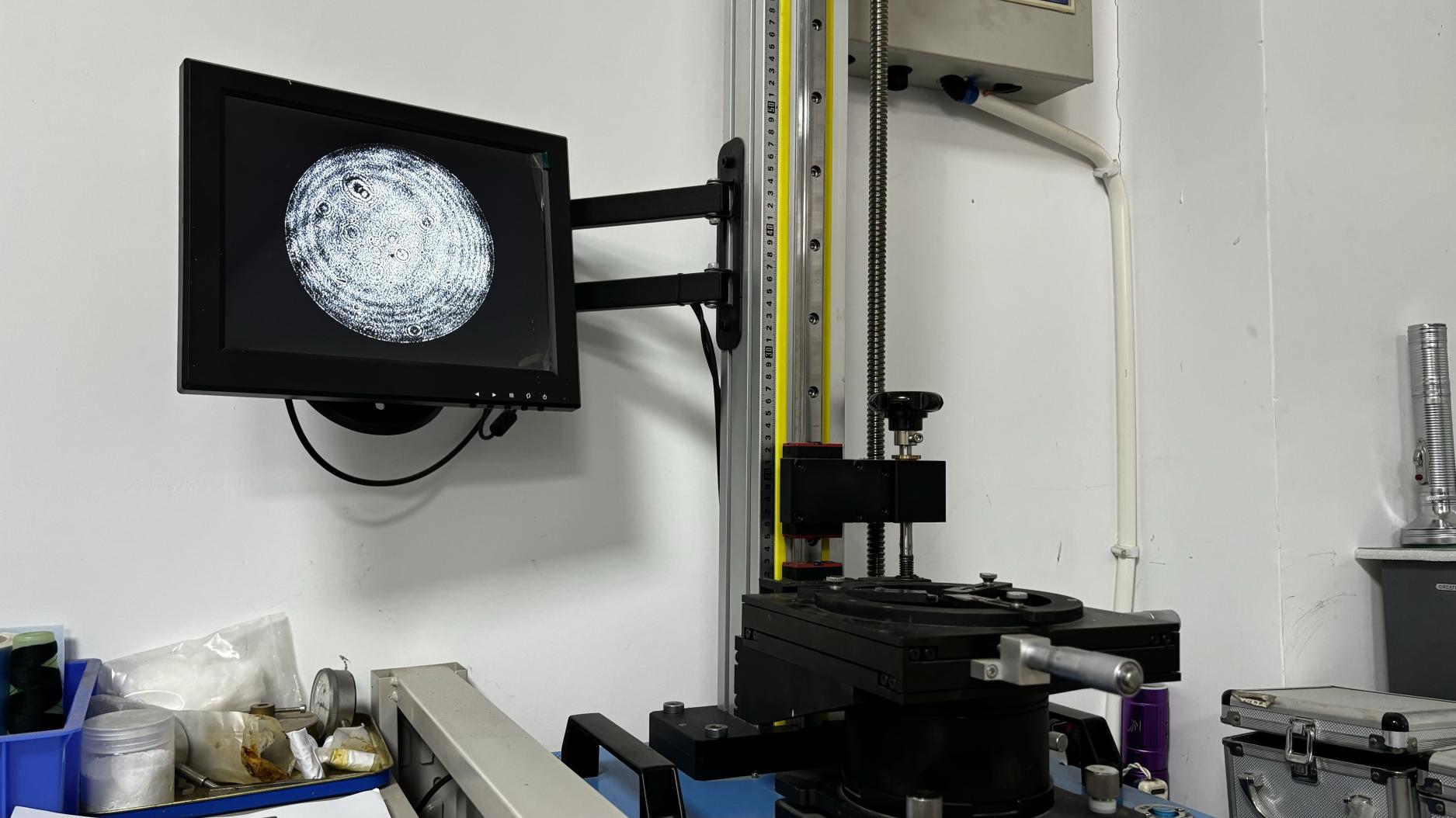
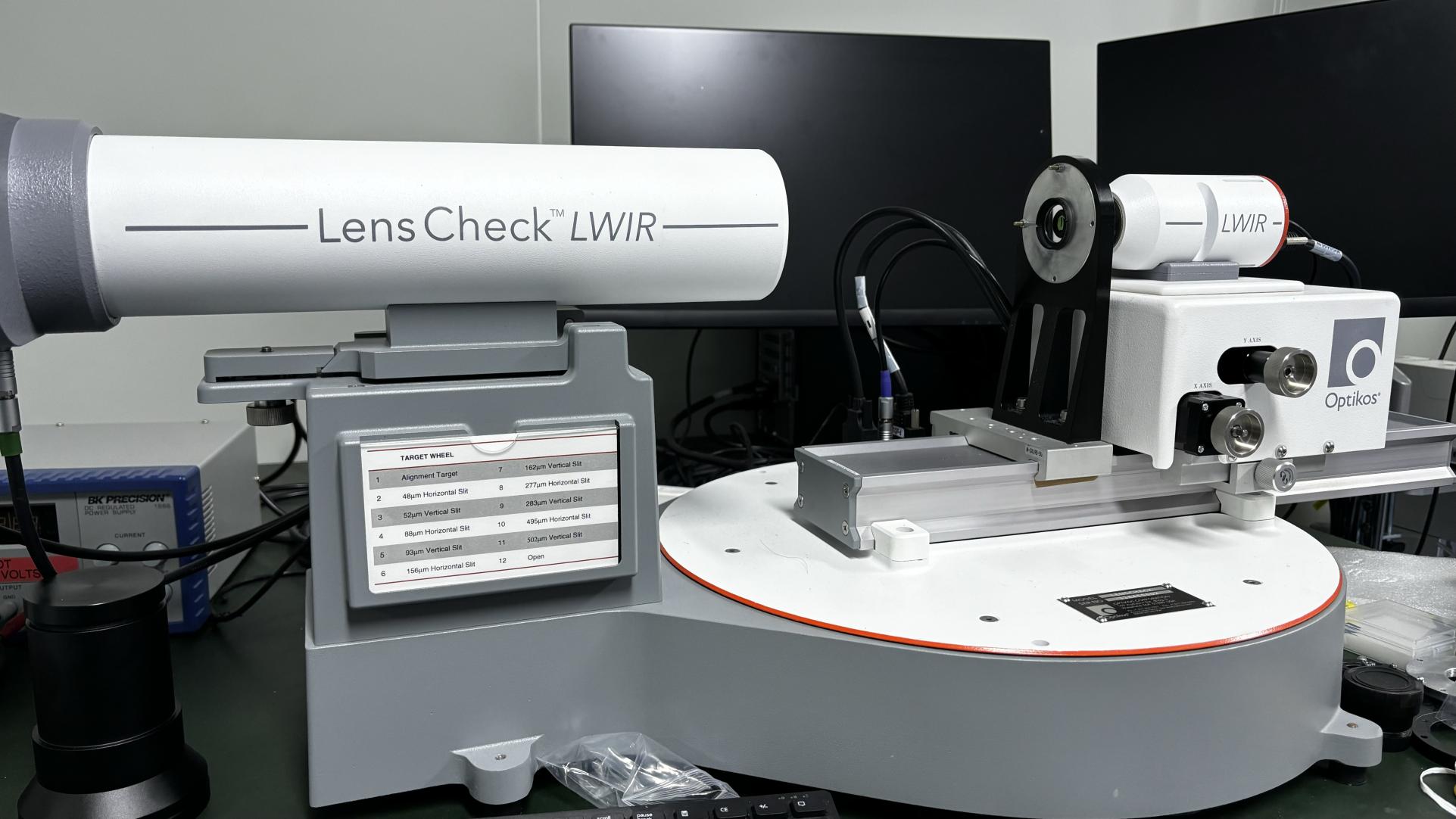
With an ecosystem of over 1,100 upstream partners, CloudionAI manages complete supply chain traceablity—from premium copper busbars and high-temp PCB assemblies to high-precision circuit components. Every hardware system undergoes intense validation:
A team of 48 professional quality control inspectors enforces ISO standard processes, ensuring that every shipment meets the high requirements of enterprise data center operators.
Meeting stringent global regulatory frameworks for worry-free deployment across multiple jurisdictions.
PDUs comply with critical regulatory approvals: CE, UL, RoHS, FCC, CCC, and CB. Fully optimized to interface seamlessly with IEC and NEMA outlet standards.
Fast technical response networks spanning North America, Europe, and Asia. Field application engineers are available to resolve layout integration questions.
Engineered modifications including custom chassis profiles, specific outlet colors, specialized breaker combinations, and localized input plugs.
Multi-source components, redundant warehousing, and long-term contracts with global semiconductor vendors prevent line-down incidents.
Insights on optimizing data center power infrastructure and selecting suppliers.
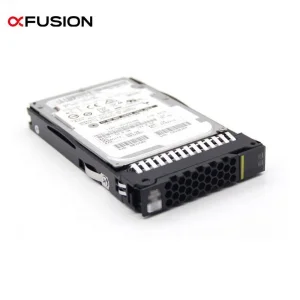
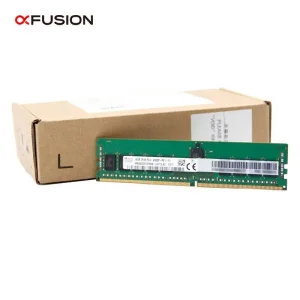
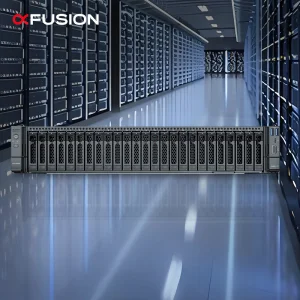
Complete your rack configuration with verified memory chips, storage drives, and multi-socket cluster nodes.