Cloudion
Cloudion
Cloudion
As next-generation AI workloads escalate, legacy hardware architecture struggles to meet the thermal and computational requirements of deep learning models like DeepSeek. Cloudion AI Systems Ltd (brand: CloudionAI) acts as a premier OEM/ODM hardware partner, designing and exporting bare-metal configurations, multi-GPU platforms, and optimized networking solutions directly to global clouds and enterprise hubs.
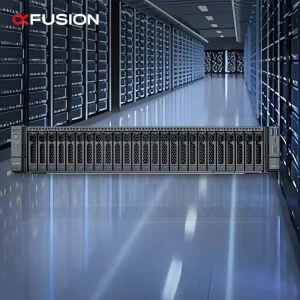
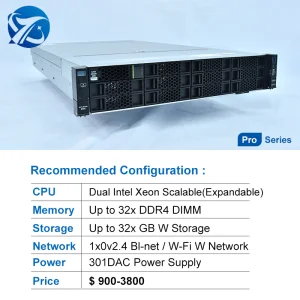
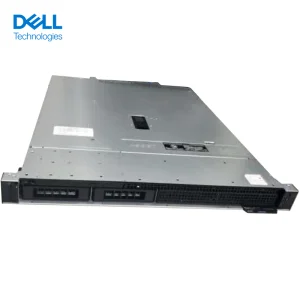
Explore our top-tier server architectures optimized for AI training, machine learning, and mission-critical cloud virtualization.
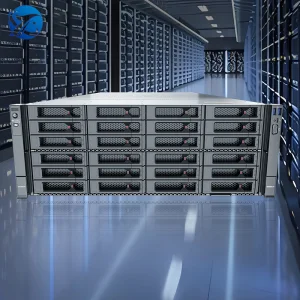
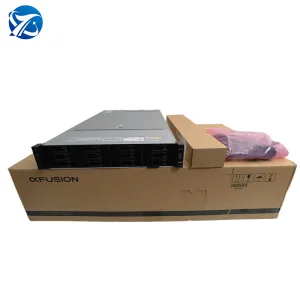
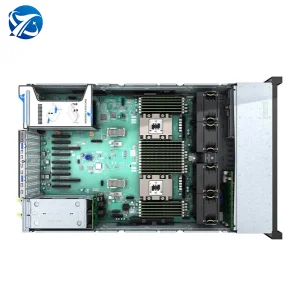
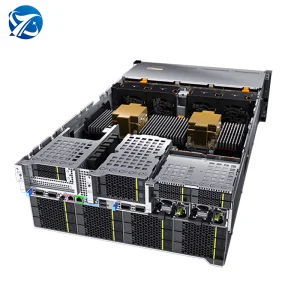
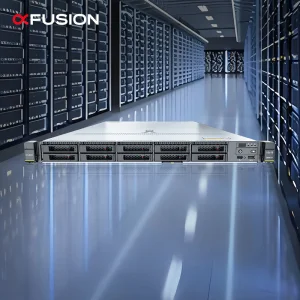
An in-depth analysis of supply chains, advanced liquid cooling, high-density topologies, and China-based high-performance server manufacturing.
Hyperscale data centers globally are undergoing a massive shift. The rapid adoption of Large Language Models (LLMs) like DeepSeek R1 and Claude has rendered traditional general-purpose virtualization architectures obsolete. GPU density and power delivery are now the focal points of procurement. This evolution demands bespoke hardware layouts that OEM manufacturers are uniquely qualified to produce.
With deep supply chain integration, CloudionAI designs custom compute blocks, PCIe Gen 5 configurations, and dense thermal solutions. Custom OEM processes allow cloud operators to optimize at the silicon-to-chassis boundary, lowering Power Usage Effectiveness (PUE) ratios and boosting physical compute density per rack unit.
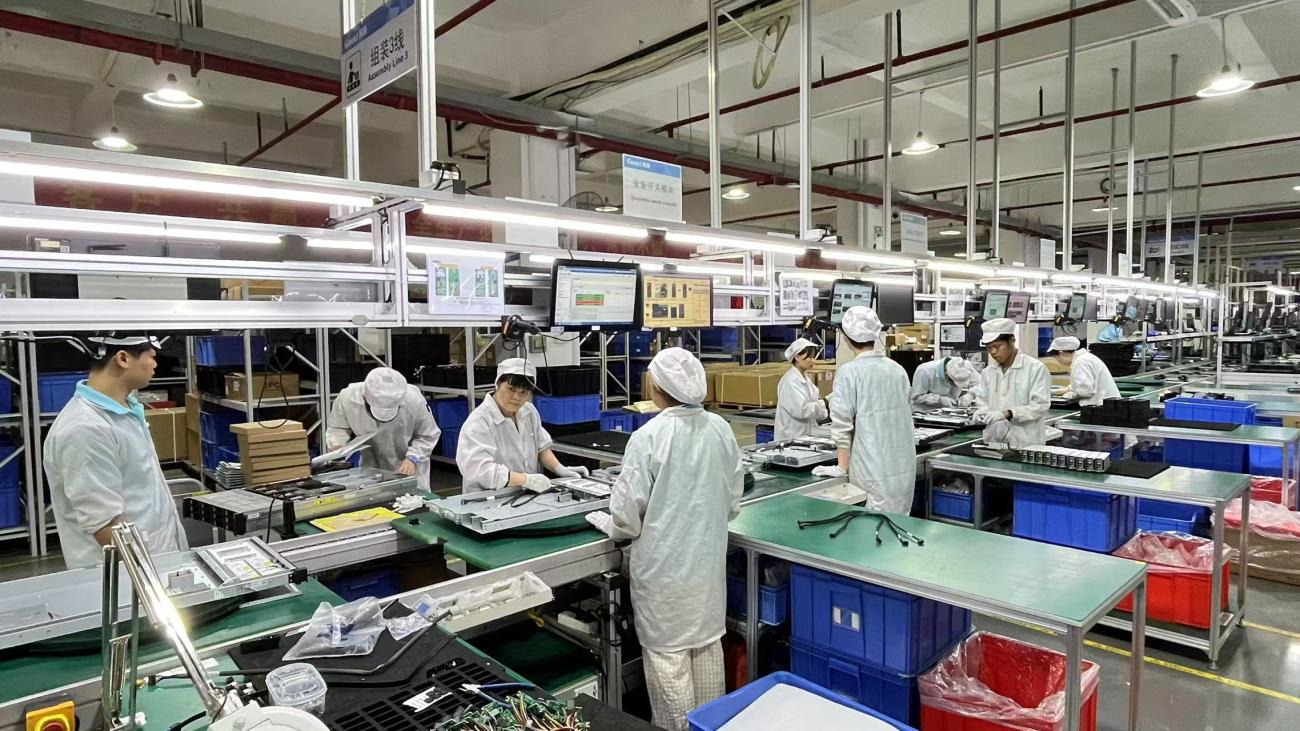
China has transitioned from basic mechanical assembly to the epicenter of high-end high-performance computing (HPC) research and production. Sourcing cloud resources from China offers unparalleled advantages in raw capacity, engineering depth, and supply component clusters.
Immediate access to over 1,100 trusted upstream suppliers of bare PCB boards, high-speed connectors, custom voltage regulator modules (VRMs), and dynamic liquid-to-air cooling fans within a 50-mile radius. This enables rapid prototyping and shortens hardware modification turnaround from months to weeks.
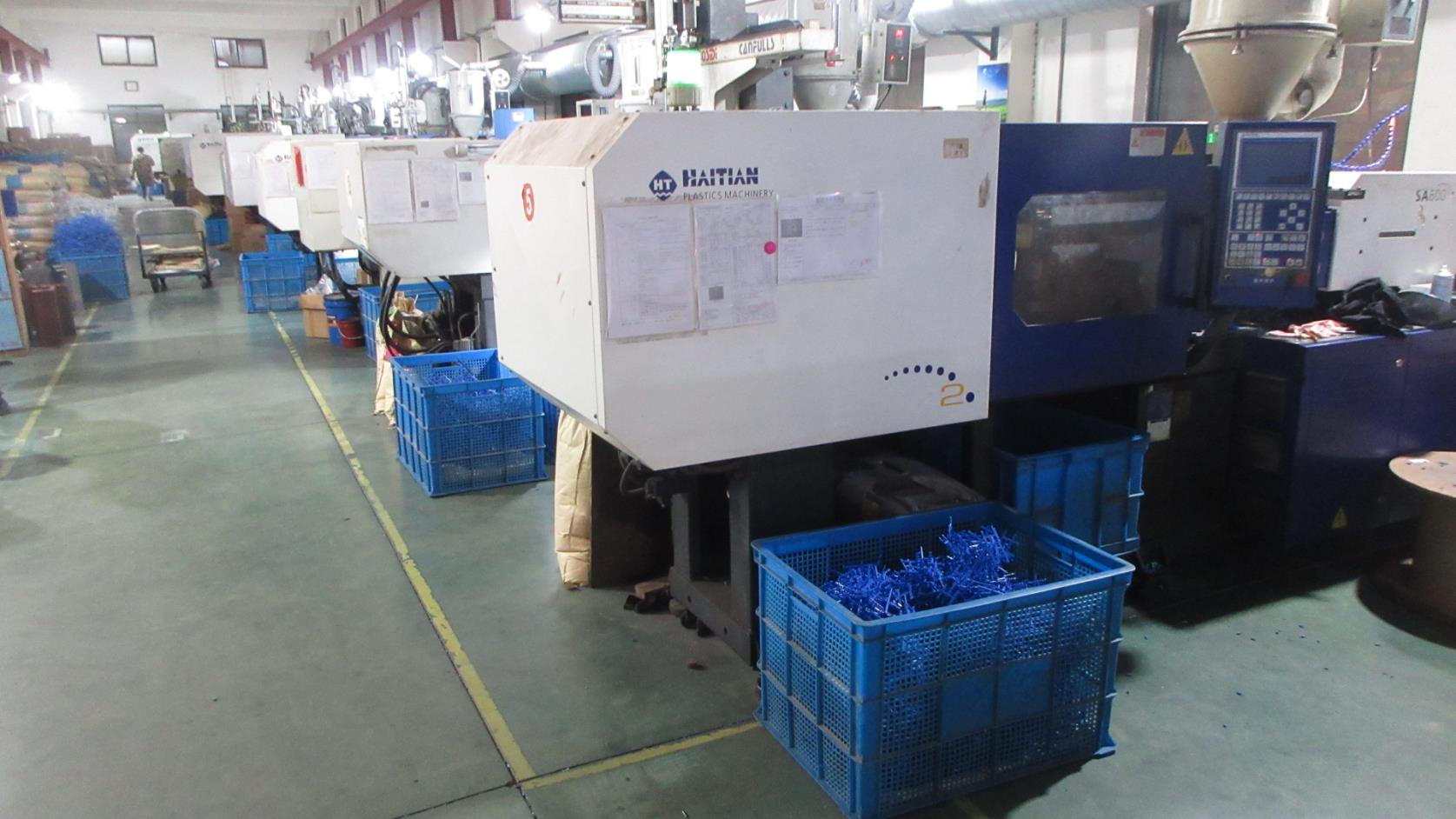
Our 18,600㎡ modern manufacturing facility integrates advanced robotic surface mount technology (SMT) lines, structural precision metal stampings, and automated optical inspection (AOI) to scale hardware configurations with zero-tolerance precision.
With an engineering team of 320 specialists, we focus on thermal simulation analysis, open-source BMC (Baseboard Management Controller) adaptation, Redfish API integrations, and low-level BIOS customization to guarantee network system compatibility.
E-E-A-T Reliability Framework: Every GPU Node is validated for operational integrity prior to global export.
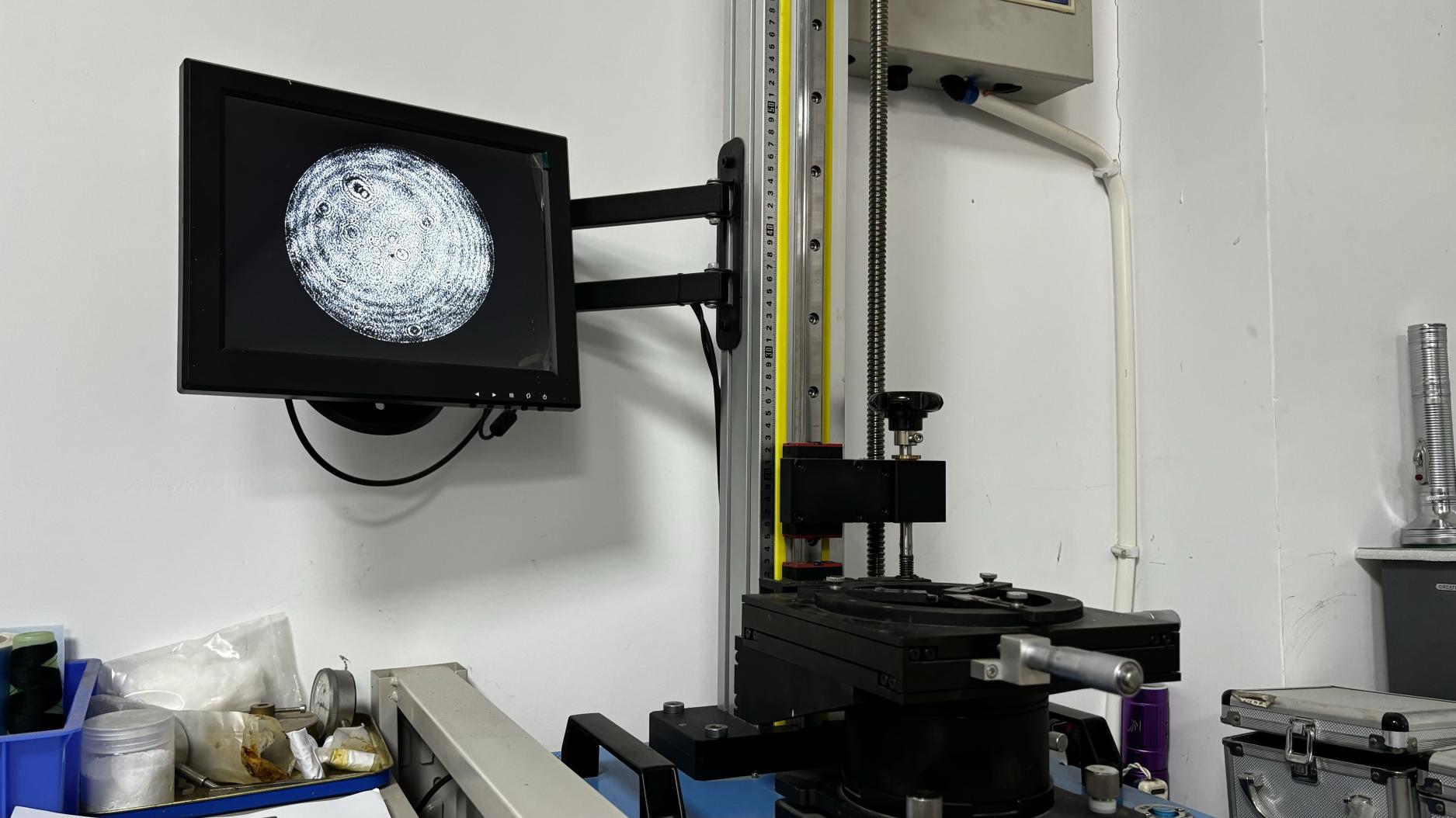
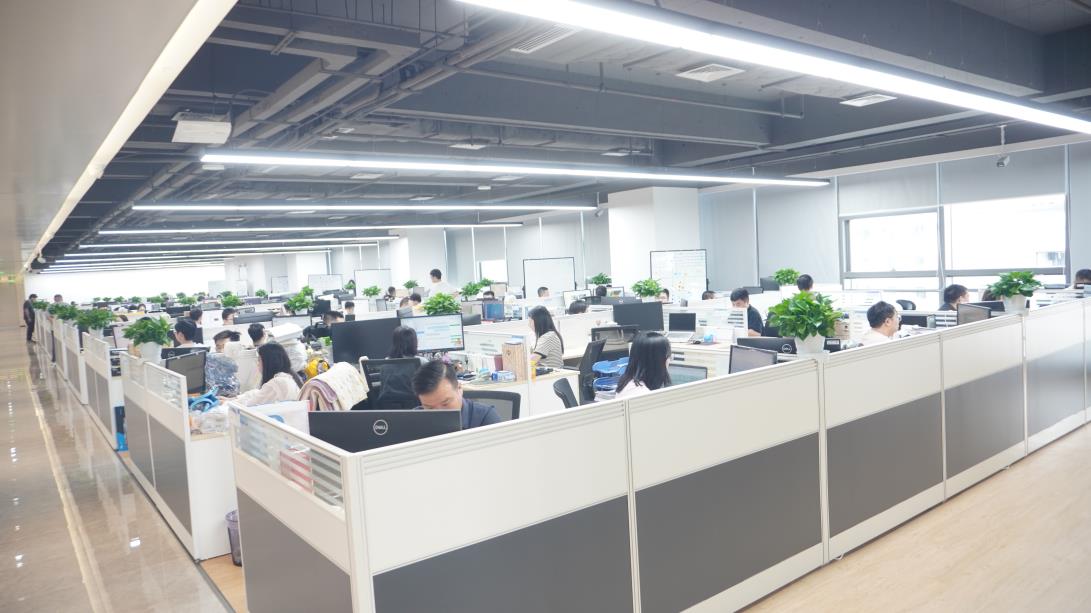
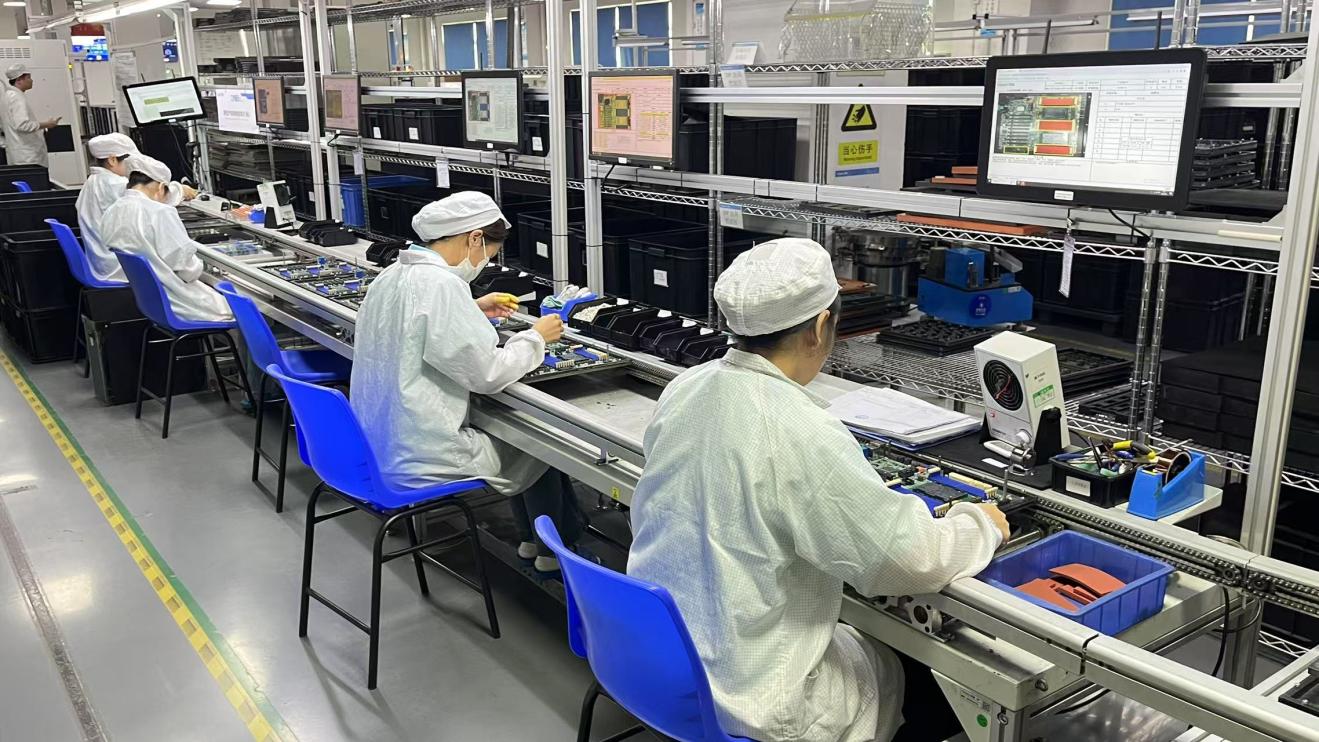
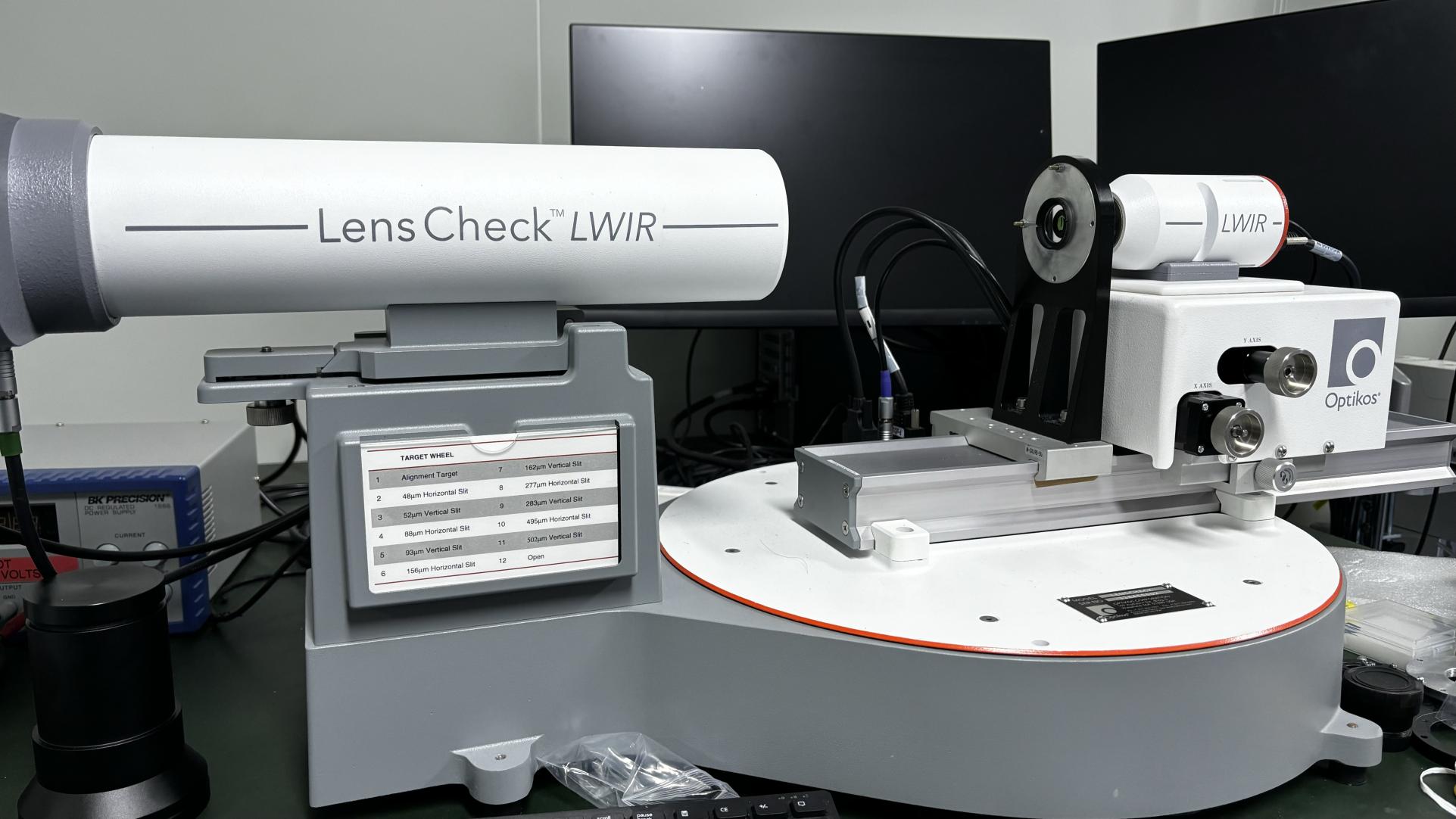
Our facility employs 48 dedicated QC inspectors conducting Automated Optical Inspections (AOI), thermal stress sweeps (-40°C to +85°C), and full system load sweeps under synthetic deep learning workloads.
We perform 48-to-72 hour dynamic burn-in testing on each node at full CPU/GPU computational loads. This verifies motherboard trace integrity, ensures clean VRM power delivery, and eliminates infant mortality issues on key components such as DDR5 RDIMM ECC chips and PCIe bridge circuits.
Using computational fluid dynamics (CFD) modeling, our thermal engineering teams test customized airflow designs for deep AI server chassis. By matching structural exhaust patterns with active dynamic fan control, we lower localized hot spots by up to 8°C compared to standard references.
From AI hyper-training complexes to enterprise edge grids, CloudionAI provides tailormade compute environments.
Optimized high-speed topologies, custom GPU carrier boards, and direct PCIe switches. Minimizes model synchronization latencies for multi-GPU arrays during large-scale pre-training runs.
High-density 2U 2-socket/4-socket configurations featuring multi-drive bays (SATA/NVMe). Ideal for running large instances of VMware, OpenStack, or Kubernetes clusters with minimal overhead.
Rigid multi-socket Intel/AMD server designs paired with redundant Hot-Swap power supplies. Engineered for sub-millisecond database queries, transactional systems, and scientific calculations.
To handle high thermal designs exceeding 350W per socket, we integrate direct-to-chip (D2C) liquid cold plates. This allows data centers to transition away from high-power air conditioning units, reducing cooling overhead by up to 40% and ensuring sustained high-frequency turbo operations.
We enable low-level motherboard logic modifications, physical layout customizations, custom silk screening, logo branding, and tailored BIOS boot sequences to match the software stacks of enterprise cloud providers.
For procurement managers planning multi-year infrastructure upgrades, keeping pace with hardware standards is critical.
Bandwidth must scale alongside core counts. Sourcing architectures with native PCIe Gen 5 configurations is crucial for avoiding input/output bottlenecks in high-density SSD arrays and InfiniBand-class interconnect fabrics.
Memory pooling enables dynamic allocation of system memory pools. Modern cloud servers utilize CXL 2.0/3.0 configurations to allow hypervisors to dynamically shift RAM resources without physical component re-allocation.
Standardizing server designs on OCP specifications streamlines components, rack design, and network infrastructure, cutting operational complexity and simplifying multi-vendor supply chain scaling.
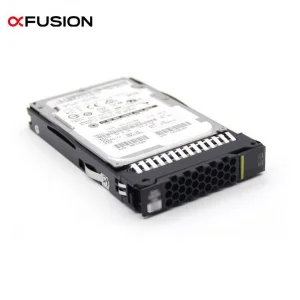
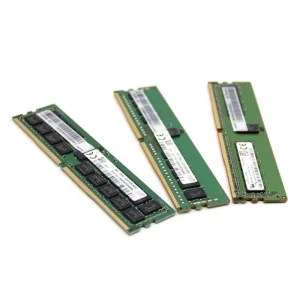
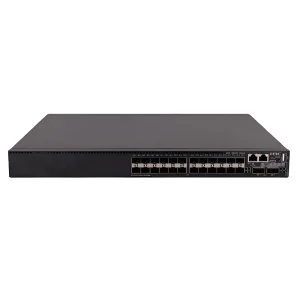
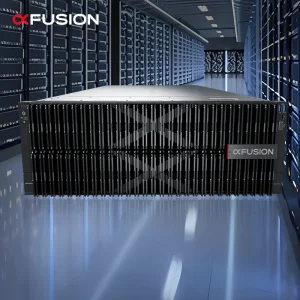
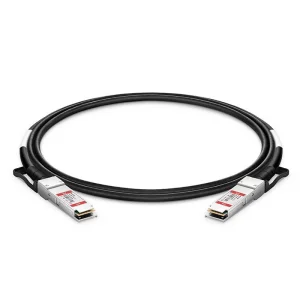
Complementary cloud infrastructure resources, memory modules, high-speed connectivity, and storage expansion lines.
Find answers to key technical questions about custom cloud compute designs, MOQ, testing, and shipping options.