Cloudion
Cloudion
Cloudion
Deploy robust enterprise connectivity, optical core infrastructure, and high-performance server architectures configured to handle intensive data transmission demands.
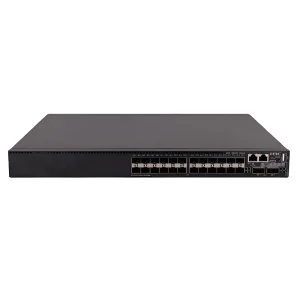

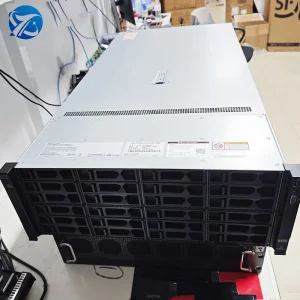
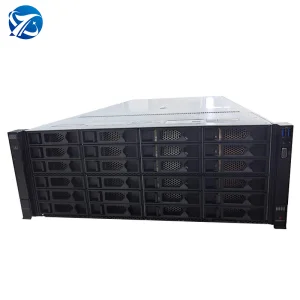
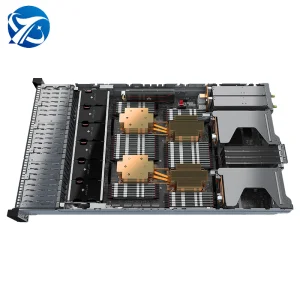



The rapid proliferation of hyper-scale cloud centers, massive AI training clusters, and big-data computations has reshaped the global requirements for high-speed network interfaces. Traditional 10G and 40G infrastructures are fast giving way to ultra-high-throughput architectures running at 100G, 400G, and 800G line rates. In modern architectures—especially those supporting distributed deep learning configurations and Large Language Models (LLMs)—network hardware is no longer just a passive transmission channel. It has become a primary execution engine.
China, as a central hub of global electronic hardware engineering, hosts advanced manufacturing clusters capable of delivering state-of-the-art switching fabrics. These facilities integrate chip-level design implementation, high-density multilayer PCB assembly (using materials like Megtron 6/8 to reduce signal attenuation), and highly complex thermal dissipation enclosures. High-speed network switch factories across China supply not only localized enterprise infrastructures but also export critical high-capacity configurations to key technology markets in North America, Western Europe, and Southeast Asia. The seamless integration of silicon production, structural chassis fabrication, and customized optical transceivers places Chinese manufacturers at the forefront of the global network equipment supply chain.
To successfully navigate the high-speed networking segment, it is critical to trace the underlying physical and architectural protocols driving hardware development. Below are the key engineering vectors defining current and future switch generations:
Modern deep learning platforms require high-throughput, low-latency links. RDMA over Converged Ethernet (RoCE v2) has emerged as a major alternative to proprietary InfiniBand architectures. It enables standard Ethernet switches to bypass CPU intervention for direct memory-to-memory data transfers, delivering ultra-low-latency transport layers that are cost-effective to scale.
Modern spine-and-leaf architectures rely heavily on non-blocking ASICs. These ensure that packet routes across the switch matrix do not suffer from internal link congestion. With data transmission rates hitting 51.2 Tbps per single ASIC, maintaining deterministic latency profiles (under 500ns) has become a primary target for hardware developers.
As speeds shift from 400G and 800G toward 1.6T, electrical signals face steep degradation over copper tracks. Co-Packaged Optics (CPO) integration embeds optical engines directly onto the same organic substrate as the main ASIC. This reduces trace loss, power draw, and physical layout constraints.
Operating under the brand CloudionAI (https://cloudionai.com), Cloudion AI Systems Ltd is a premier high-performance AI hardware and next-generation computing infrastructure manufacturer. Founded in 2016, our enterprise has rapidly constructed a robust global presence, delivering deep learning system architectures, model training infrastructure, custom edge nodes, and optical communication deployments across North America, Europe, and Southeast Asia.
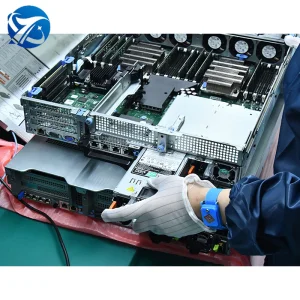
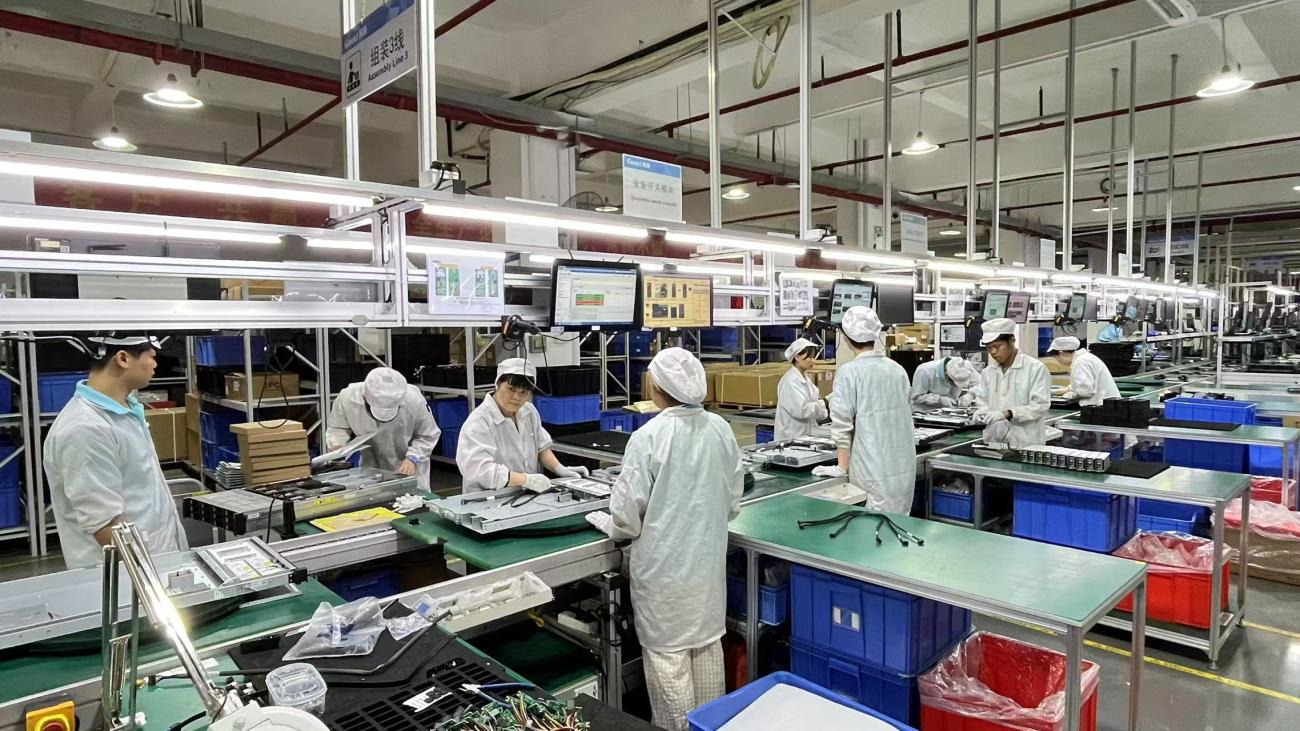
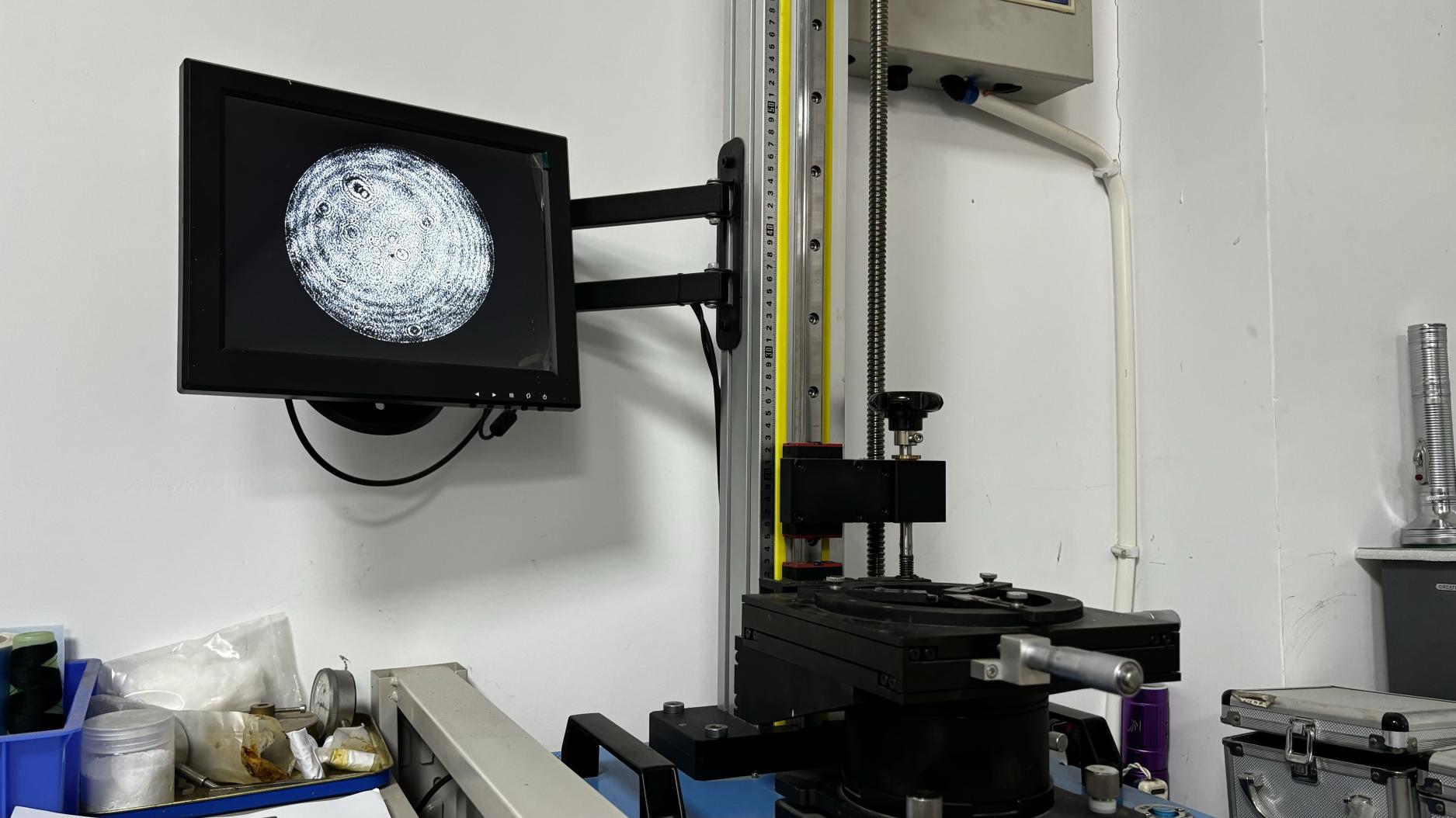
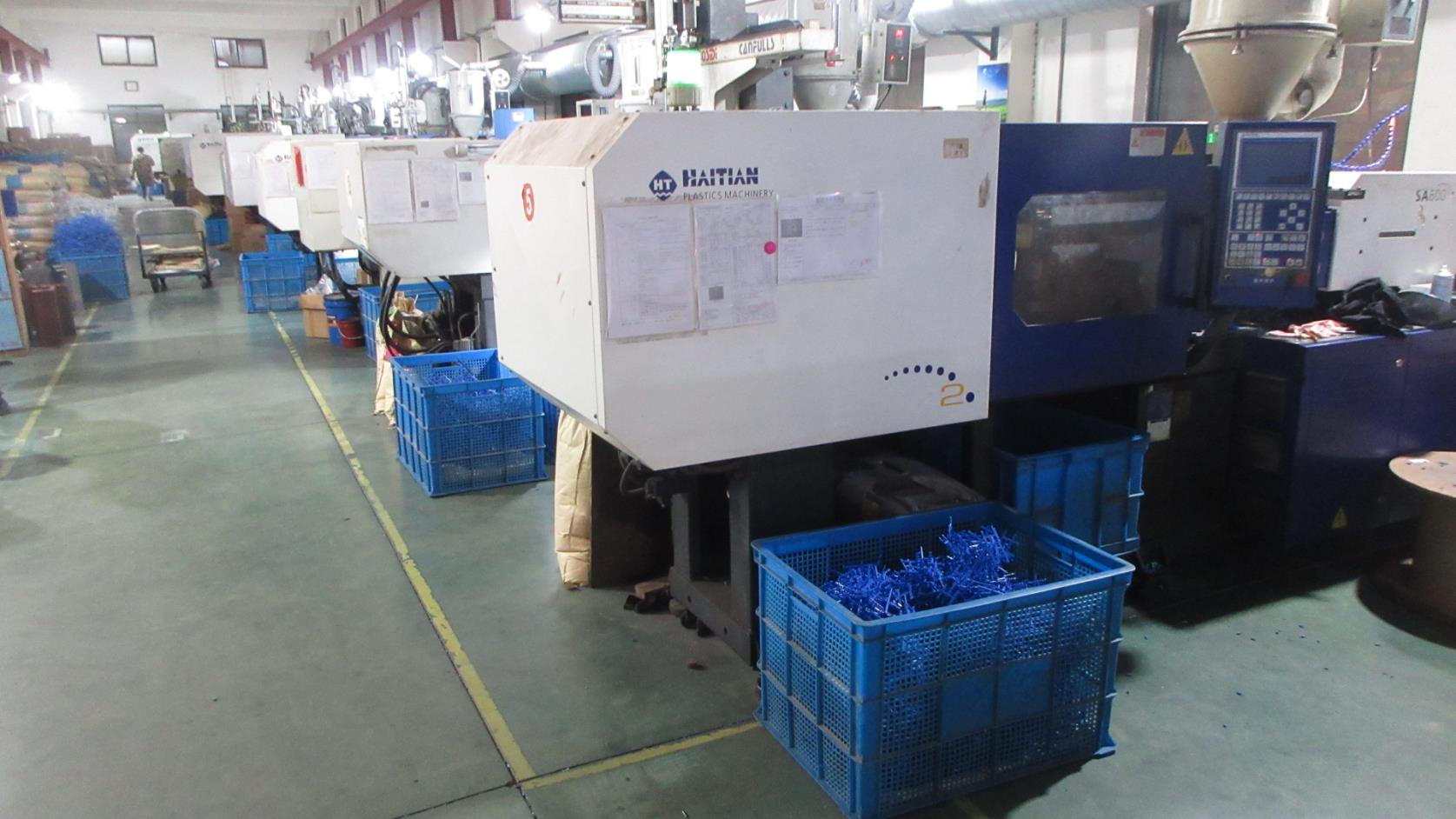
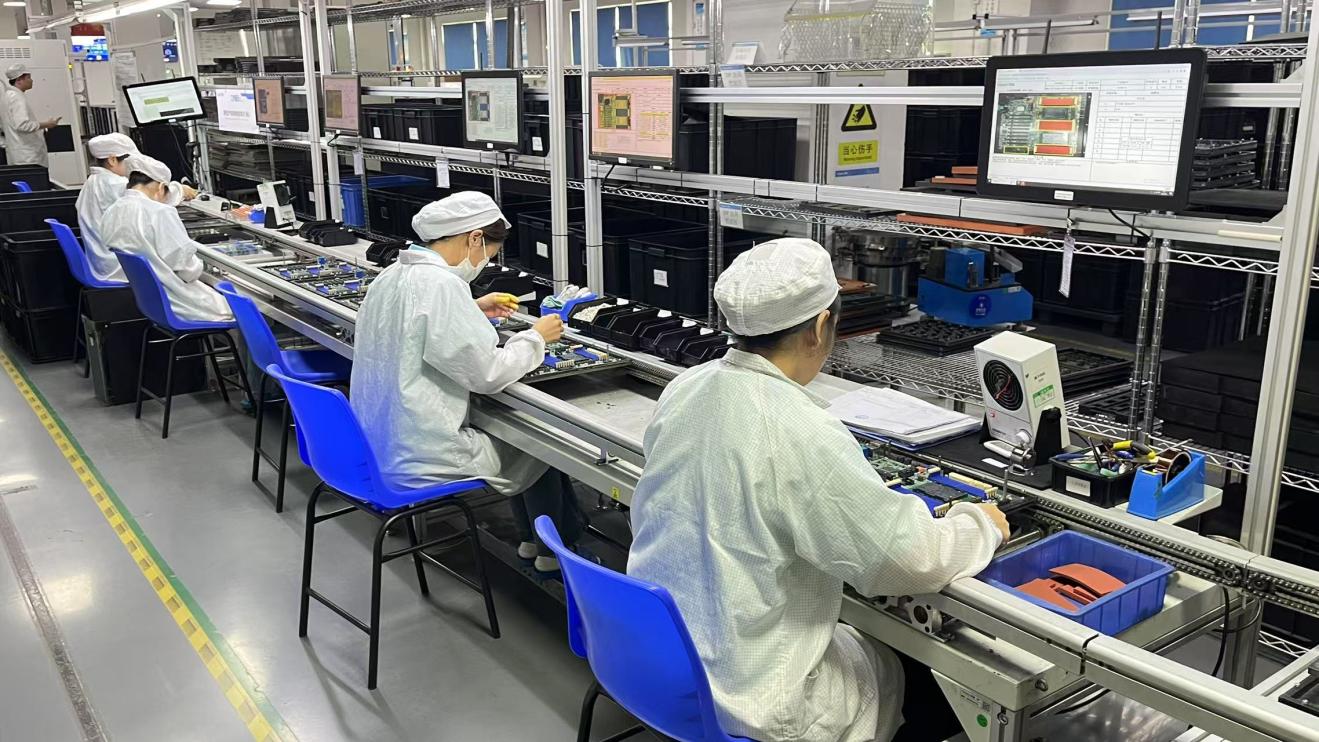
We run high-density assembly configurations, automated high-throughput testing systems, and thermal stress rooms to ensure consistent quality and hardware stability. Our quality assurance protocol integrates hardware-in-the-loop validation, multi-stage functional verification, and Automated Optical Inspection (AOI) to achieve zero-defect operational thresholds. Backed by over 1,100 trusted upstream partners—ranging from raw wafer fabs and thermal solutions vendors to PCB specialists—we optimize both high-volume OEM/ODM projects and highly customized server designs.
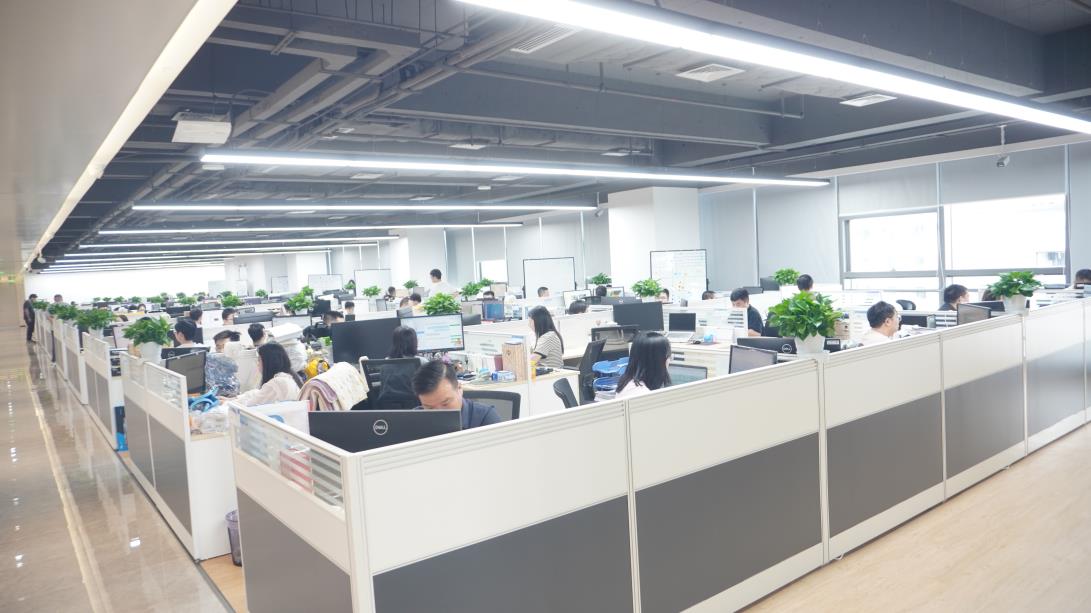
Our dedicated R&D department focuses on AI compute architectures, liquid cooling loops, high-performance backplane routing, and low-level firmware engineering. In the past year alone, CloudionAI launched 86 new products to help modern enterprise environments optimize their data networks and distributed computing tasks.
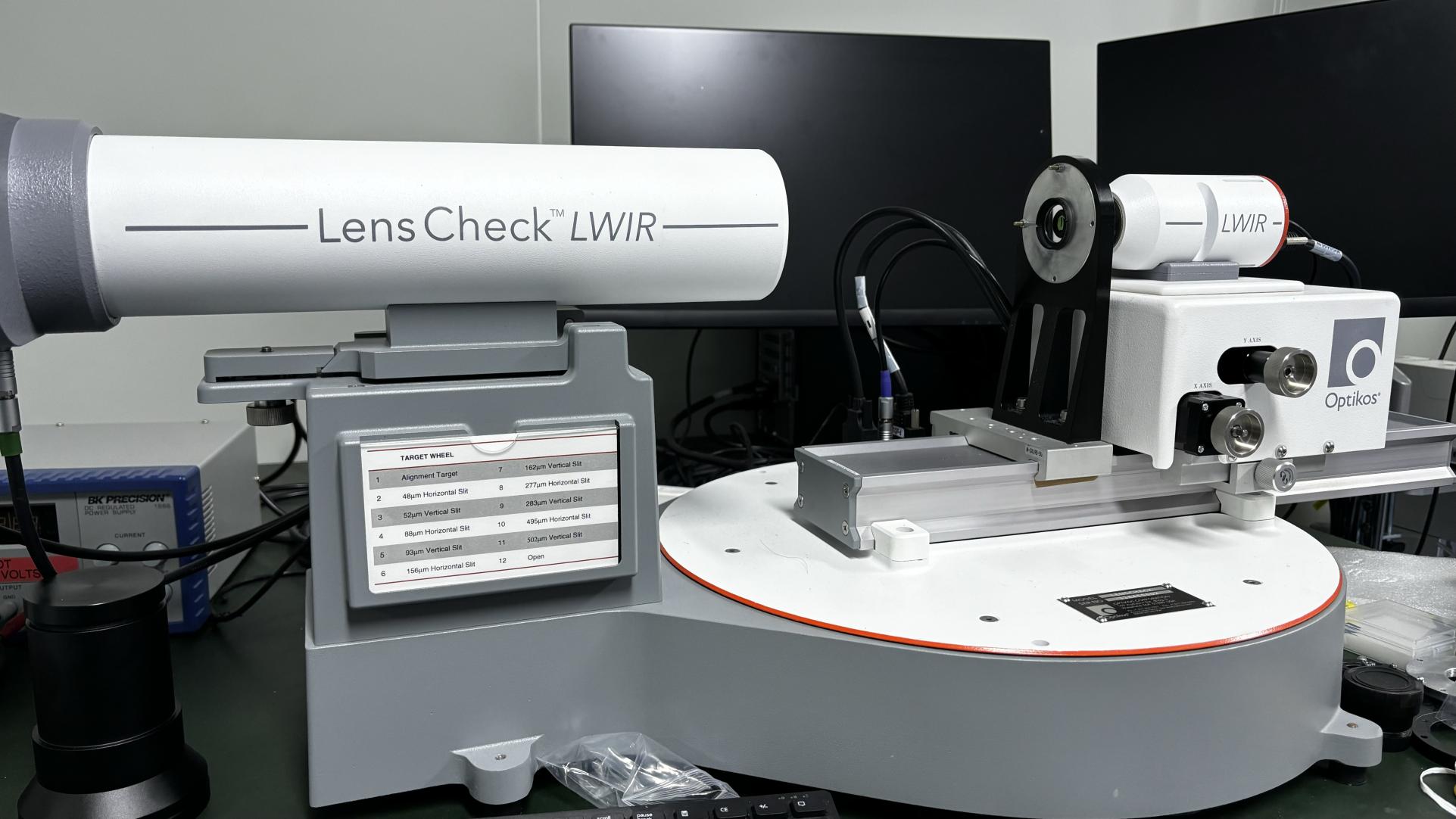
High-speed switches require tailoring to the distinct physical realities and environmental configurations where they are deployed. CloudionAI builds platforms engineered to resolve localized performance challenges:
Industrial settings expose network devices to high dust, vibration, and EMI. Localized deployments demand ruggedized fanless switches with extended operating temperatures (-40°C to 75°C) and DIN-rail mounting. These switches ensure real-time TSN (Time-Sensitive Networking) communications on the factory floor, preventing packet loss in robotic control and vision-based QA loops.
In algorithmic and high-frequency trading (HFT), latency is measured in nanoseconds. Localized hardware setups feature sub-100ns port-to-port cut-through switching. Integrating custom FPGA modules directly into the switch interface allows financial institutions to handle massive, simultaneous transaction queues without introducing queue delay bottlenecks.
Deployments in smart city grids, telecom microstations, and automated transportation hubs require compact footprint hardware. Half-width 1U or 2U switch-server combinations optimize limited rack space while providing high thermal tolerances, lowering maintenance overheads in unmanned locations.
High-speed networking is progressing along a clear trajectory focused on bandwidth scaling, automated fabric configuration, and environmental sustainability. By anticipating these shifts, CloudionAI remains aligned with future enterprise needs:
With 112G and 224G SerDes technologies maturing, the industry is transitioning to 1.6T physical architectures, doubling current 800G capabilities to handle next-generation workloads.
In-band Network Telemetry (INT) monitors packet flows at line rate. This telemetry provides real-time insights into congestion, microbursts, and path histories without degrading forwarding performance.
Modern ASICs run hot, and traditional air cooling is reaching its physical limits. Designing direct-to-chip liquid cooling manifolds for switches ensures operational reliability at peak compute loads.
Intent-Based Networking (IBN) uses machine learning to automatically configure policies and optimize routing paths. This automation helps prevent congestion before it impacts end-user performance.
Deploying individual hardware switches in isolation cannot resolve enterprise-wide bottlenecks. CloudionAI engineers complete, macro-level networking architectures customized for diverse modern use cases:
Designed specifically for massive machine learning jobs, this configuration groups high-capacity GPU servers using non-blocking leaf-spine networking. Integrating RoCE v2 congestion controls minimizes buffer overflow, maintaining data throughput during synchronization phases.
Our cloud-native design supports multi-tenant virtualization via EVPN-VXLAN protocols. Dynamic load balancing routes traffic along optimal paths, while API integration simplifies management across tens of thousands of individual ports.
For companies managing distributed workloads across regional sites, this solution coordinates centralized data center switches with ruggedized edge gear, ensuring low latency and consistent policies from core to edge.
Understanding the engineering details of high-speed network switches helps hardware buyers make informed choices. Here we address key technical questions regarding infrastructure scaling, protocol management, and thermal stability.
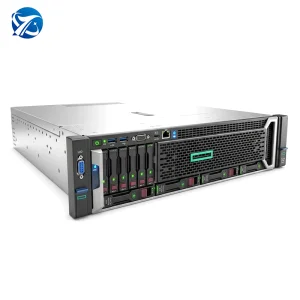
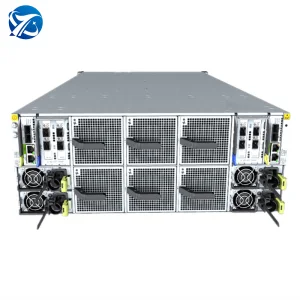
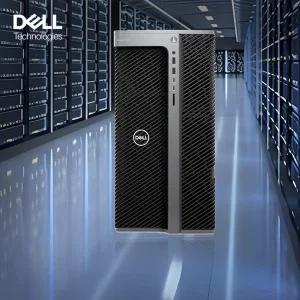
Complete your infrastructure stack with enterprise-grade compute platforms, high-density SSD arrays, and AI inference accelerators designed for demanding workloads.