Cloudion
Cloudion
Cloudion
Deploying the right server and network components is critical to securing business continuity, ensuring minimal Recovery Time Objectives (RTO), and building robust enterprise backup loops. Explore our premium systems manufactured to exceed strict global standards.
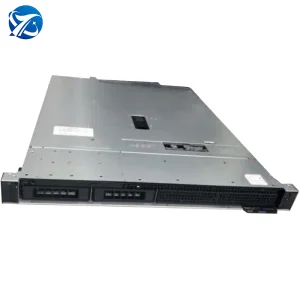
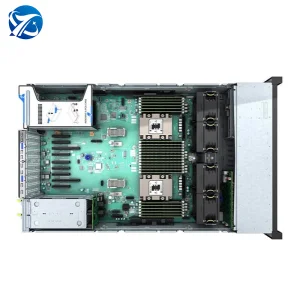
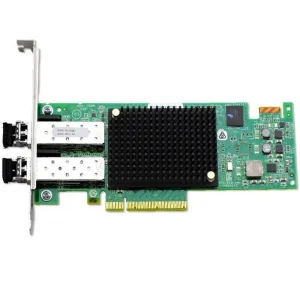
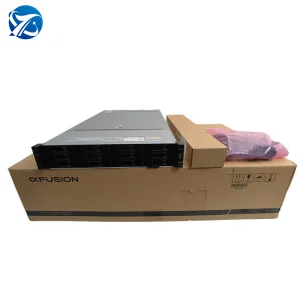
The contemporary global data infrastructure operates under an unprecedented deluge of structured and unstructured information. With the exponential rise of Artificial Intelligence workloads, machine learning models, and high-frequency cloud transactions, data is no longer merely an asset—it is the operational lifeline of the enterprise. In this high-stakes environment, data backup solutions have evolved from simple secondary storage pools into highly integrated, hyper-converged hardware architectures designed to defend against ransomware, hardware failures, and systemic outages.
Globally, companies are shifting away from legacy tape-based or slow-throughput backup systems to hybrid storage matrices that combine high-speed SSD caching with massive SATA/SAS storage pools. This ensures that recovery points can be rolled back in minutes rather than days. For critical high-density datacenters, the incorporation of high-bandwidth PCIe network cards, Fiber Channel Host Bus Adapters (HBAs), and multi-socket CPU architectures is mandatory to handle the vast read-write workloads generated during real-time backups. By utilizing modern network interfaces, businesses minimize data transfer latency, maximizing the efficiency of redundant arrays and remote cloud synchronization pipelines.
Cloudion AI Systems Ltd is a high-performance AI GPU server and enterprise storage manufacturer dedicated to delivering next-generation computing infrastructure for global workloads. Built under the registered brand CloudionAI (https://cloudionai.com), the company specializes in scalable GPU server architectures and hybrid enterprise storage systems designed for deep learning, backup orchestration, data model training, and global cloud data center deployment.
Founded in 2016, Cloudion AI Systems Ltd has developed a strong reputation in the global enterprise hardware industry, supported by years of engineering expertise and continuous innovation in high-density computing systems. Leveraging 12 years of industry experience and 7 years of specialized export capabilities, the company is built to address the highly specific customization and volume demands of modern datacenters.
China's dominance in the global server supply chain is not merely a matter of scale; it is defined by unmatched vertical integration, structural cost efficiencies, and rapid engineering iterations. As a premier manufacturer in Shenzhen, CloudionAI utilizes this localized industrial ecosystem to shorten production cycles and source top-tier components at highly competitive prices. The direct closeness to raw semiconductor fabrics, multi-layer PCB producers, advanced copper cooling systems, and specialized chassis fabrics allows us to transition custom designs to production with minimal lag.
Our 18,600㎡ manufacturing facility is equipped with advanced automated assembly lines, precision chassis tooling workshops, and automated thermal stress testers. This massive infrastructure allows us to easily scale production to meet heavy OEM and ODM orders from North America, Europe, and Southeast Asia. Furthermore, CloudionAI manages a highly diversified trade pipeline supported by more than 1,100 upstream partners. This broad network mitigates supply chain risks, ensures component availability even during global semiconductor shortages, and guarantees that our server units use top-tier components built to last.
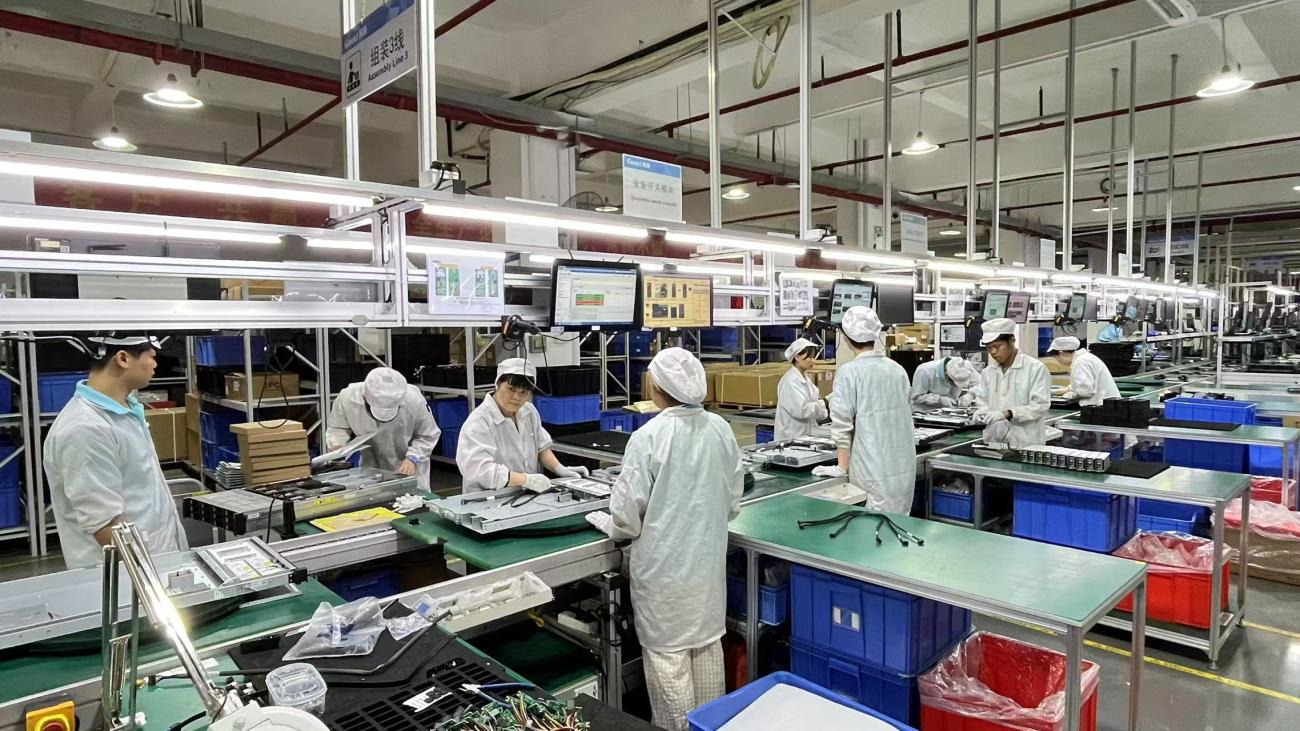
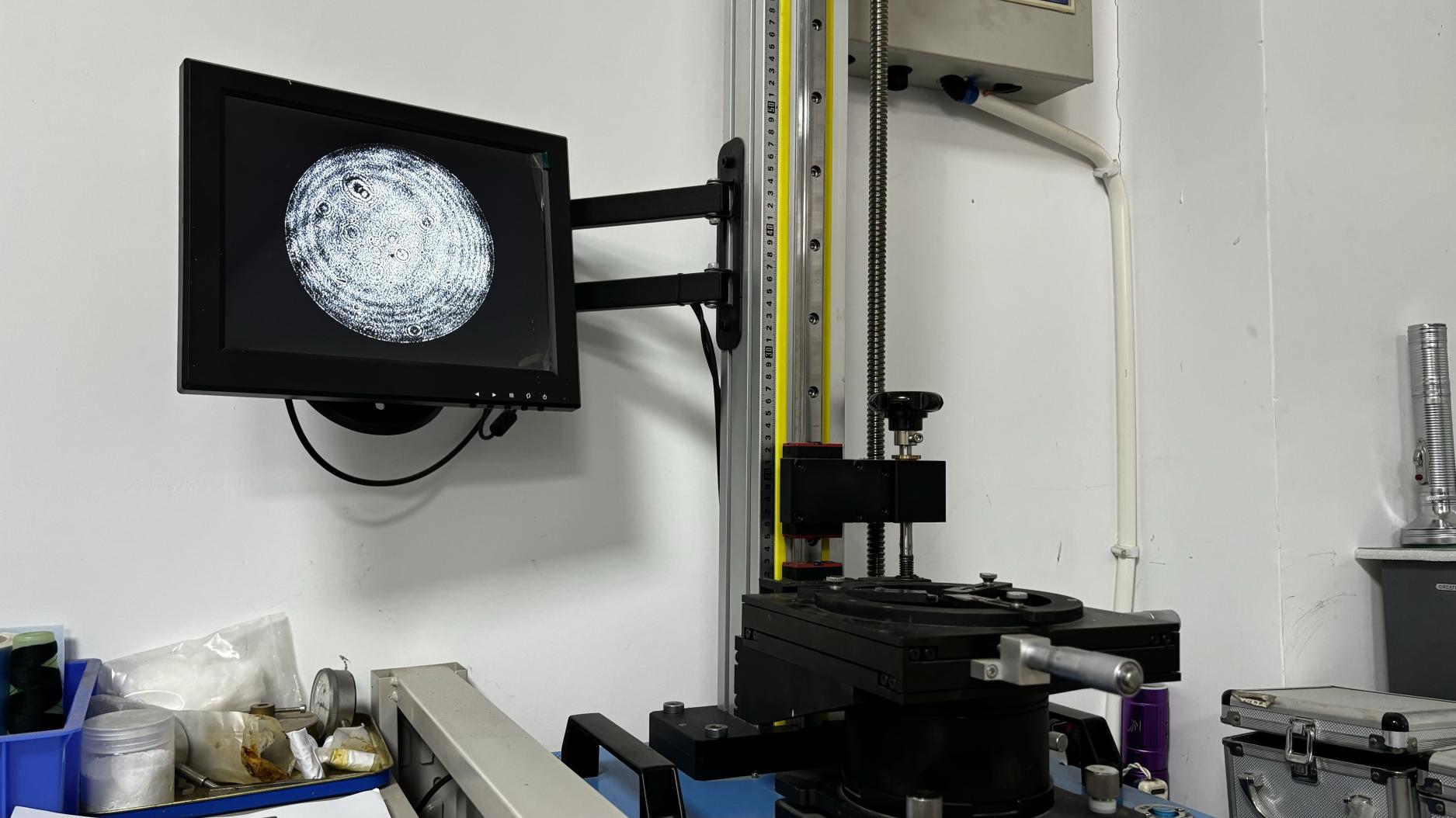
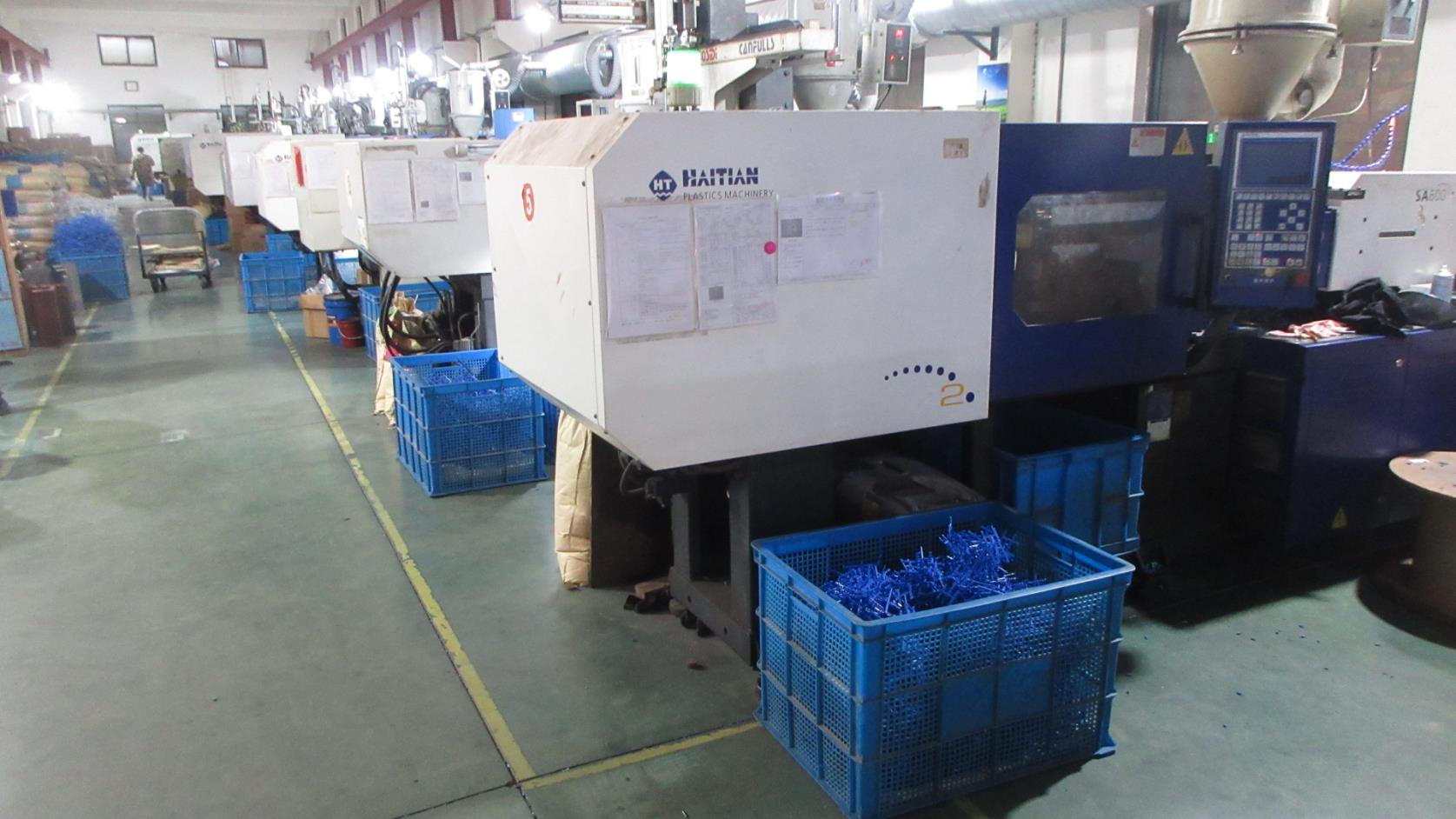
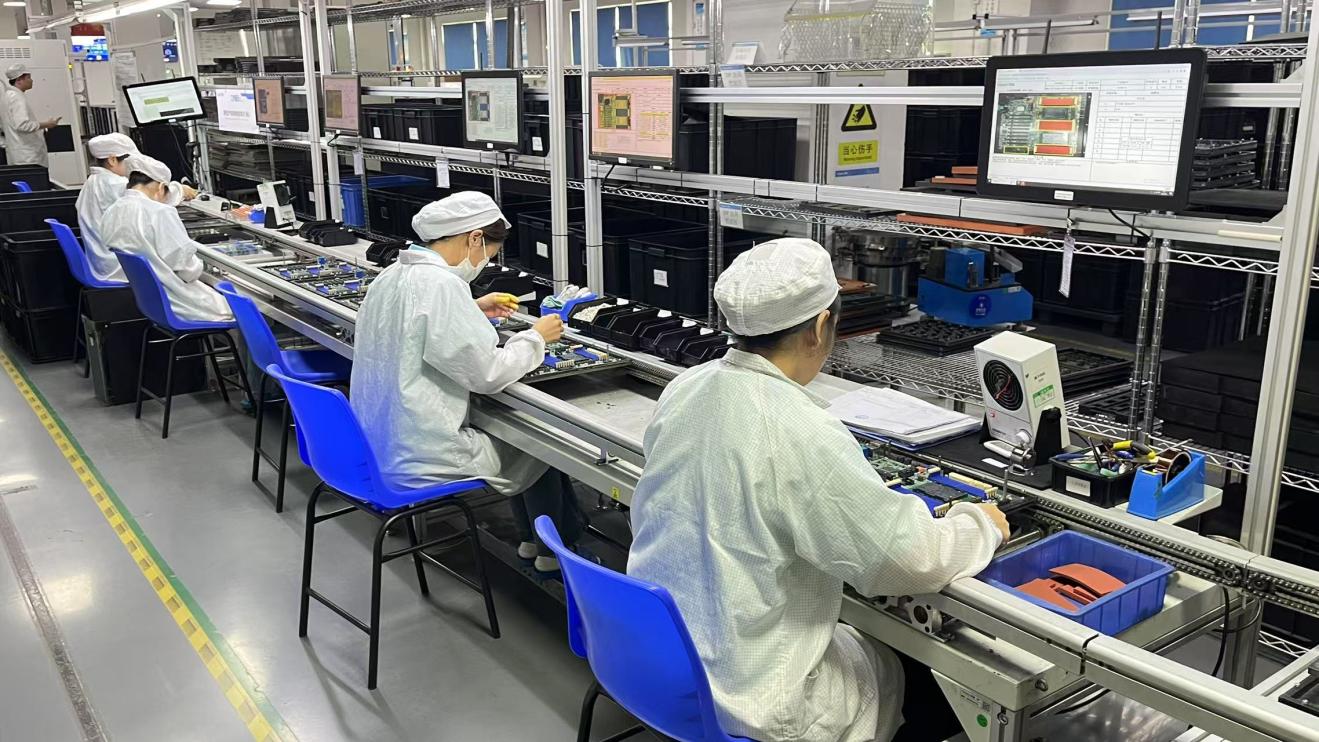
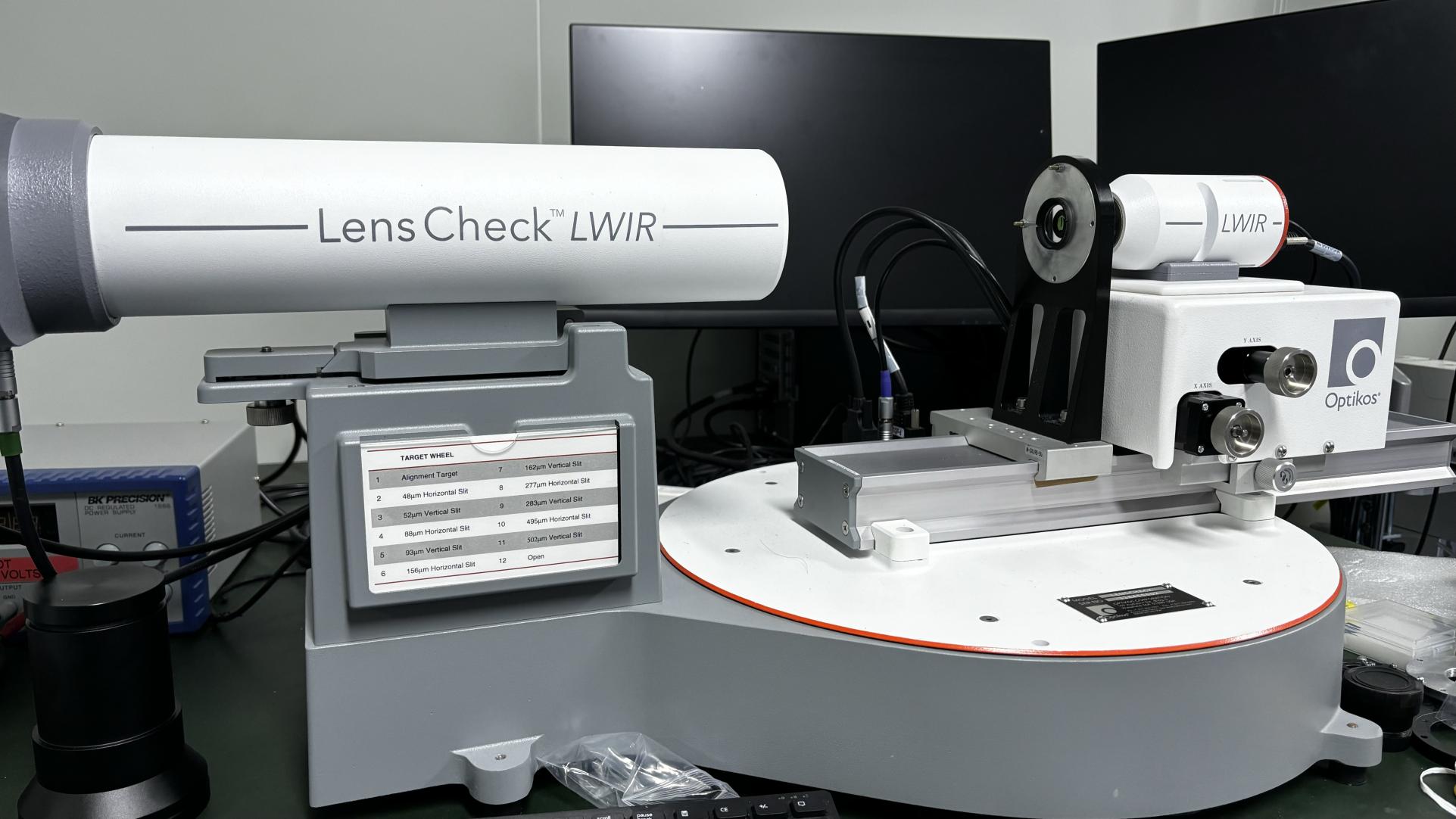
Enterprise data storage and backup servers require absolute, non-negotiable reliability. A single drive failure or bit corruption can lead to severe financial and operational damage. At CloudionAI, our quality assurance protocols are strictly enforced through ISO-based management structures, multi-stage stress validation, and complete load testing. Led by a specialized team of 48 professional quality control inspectors, every storage component, controller, and network interface card undergoes a rigorous validation process before shipment:
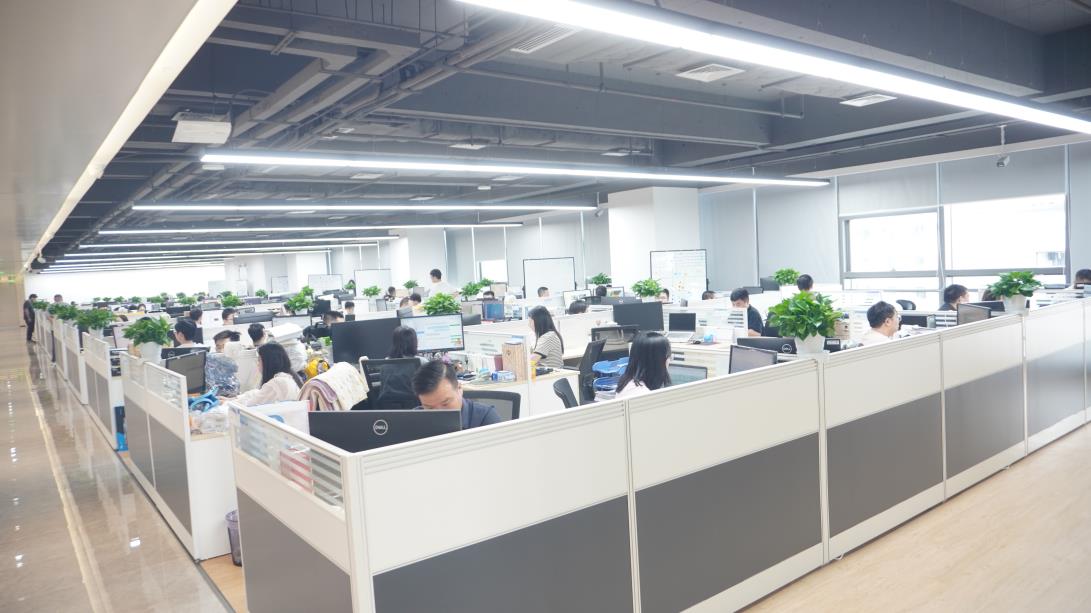
In addition to testing, our 320 R&D engineers enable extensive product customization (OEM/ODM). Last year alone, we launched 86 new products, catering to the evolving needs of AI model deployment and high-capacity backup nodes. Clients can customize physical aspects such as custom rack-mount chassis sizing (1U to 4U), internal bay routing, and power supply redundancies. At the system level, we offer optimized firmware tuning, thermal management modifications (including advanced liquid cooling blocks), and tailored PCIe lane distribution to support specialized Fiber Channel configurations.
Enterprise storage is not a one-size-fits-all market. Storage layouts must match the specific data types, transaction rates, and recovery needs of the industry. Here are the core application scenarios where CloudionAI hardware is utilized worldwide:
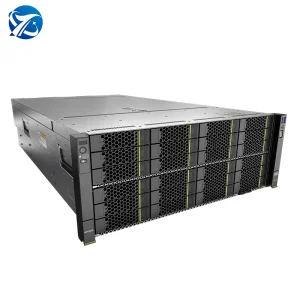
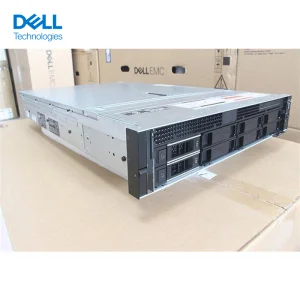
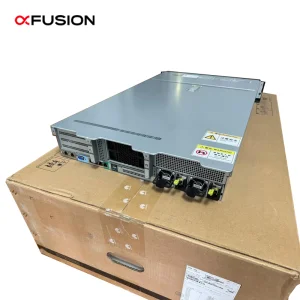
Massive cloud infrastructures requiring petabyte-scale storage tiers, fast fiber networks, and high-density, low-depth rack designs to optimize cabinet space.
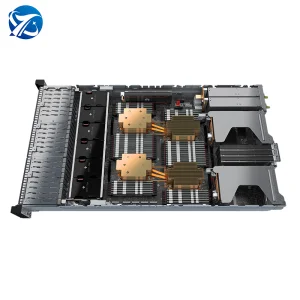
High-throughput GPU server nodes featuring liquid-cooled systems that support model processing like DeepSeek and LLMs with minimum throttling.
Reliable secondary backup nodes built with fast SATA SSDs and dual-port HBA cards to facilitate high-speed mirroring and replication loops.
When procurement officers buy enterprise data systems and backup servers, they must look beyond the initial purchase price. The Total Cost of Ownership (TCO) is heavily influenced by system energy efficiency, chassis thermal performance, and component reliability. Transitioning to PCIe Gen 4.0 and Gen 5.0 systems has become critical because the wider bus throughput reduces processing times, lowering overall power consumption per backup task. Procurement teams must prioritize servers with hot-swappable power supplies and modular disk cages to simplify maintenance and reduce downtime.
Looking forward, the enterprise storage market is moving toward smart, self-healing storage setups. Integrated AI chips in high-end server models can monitor drive health in real time, predicting potential hardware failures before they occur. In addition, the demand for liquid cooling solutions is increasing. As CPU and GPU power demands rise, traditional air cooling is hitting its physical limits. CloudionAI is at the forefront of this trend, developing rack-ready liquid-cooling systems and compact, high-density server configurations that help datacenters meet strict green energy regulations without sacrificing storage performance.
Understanding the nuances of enterprise server hardware can be complex. Here, our senior engineering team answers common technical questions about datacenter storage and network adapters.
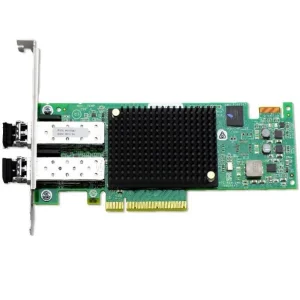
32GFC (32 Gigabit Fibre Channel) Host Bus Adapters, such as the Emulex LPe35002-M2, provide dedicated, reliable communication lines for storage networks. Unlike standard Ethernet networks, Fibre Channel runs on a specialized protocol that prevents data packet loss. This ensures smooth, high-speed data transmission, which is critical for large enterprise backups where maintaining data integrity is key.
Hybrid SATA SSDs (like the PM897 Series) combine the speed of solid-state cache memory with high-density flash storage. While traditional mechanical HDDs struggle with random write tasks, hybrid SSDs write data much faster. This speeds up daily data indexing, deduplication, and staging tasks, reducing backup windows by up to 70%.
PCIe 4.0 doubles the bandwidth per lane compared to older PCIe 3.0 setups. For high-speed storage configurations, this extra bandwidth allows network controllers and HBA cards to run without bottlenecks. In AI and machine learning tasks, PCIe 4.0 allows rapid data transfers between system memory and GPU accelerators, preventing processing delays.
CloudionAI provides custom cooling configurations tailored to your data center's requirements. This includes custom heatsinks, high-RPM cooling fans, and advanced direct-to-chip liquid cooling systems. These custom solutions keep hardware operating at safe temperatures under heavy workloads, extending component lifespan and reducing energy consumption.
Every production run undergoes a multi-stage quality control process. This includes automated optical inspections, hardware-in-the-loop tests, and full system load tests inside thermal stress chambers. Our team of 48 QA inspectors ensures that all servers and components meet global performance and reliability standards before shipment.
Browse our secondary selection of specialized computing hardware. These systems are optimized for AI model development, high-density storage management, and complex enterprise virtualization workloads.