Cloudion
A global AI server manufacturer is more than a company assembling racks, GPUs, and cooling systems. It designs the infrastructure that turns complex models into usable services. These systems may support medical research, financial forecasting, language tools, or industrial automation. Their work affects performance, reliability, energy use, and long-term operating costs.
Jensen Huang, NVIDIA’s founder and chief executive, described this shift clearly: “The AI factory is the new unit of computing.” His statement captures why global AI server manufacturers now operate at the center of modern infrastructure. They must coordinate processors, memory, networking, storage, software compatibility, and thermal management. A server can contain powerful accelerators, but poor airflow may still reduce its practical value. Small design choices matter.
This article will examine how global AI server manufacturers compete and create value. It will consider engineering capability, supply-chain resilience, data-center integration, service support, and responsible deployment. Experience also matters. A vendor that has installed thousands of servers may understand maintenance problems better than a newcomer with impressive specifications. Yet scale alone proves little. Some claims deserve closer testing. Performance figures can change under real workloads. Energy estimates may omit cooling demands. Certification can show compliance, but not always operational excellence.
The discussion will therefore compare evidence, not slogans. It will ask which manufacturers deliver dependable systems, transparent specifications, and useful support across regions. The answer is rarely simple. AI infrastructure keeps changing, and even experienced buyers can misjudge it. That uncertainty is part of the story.
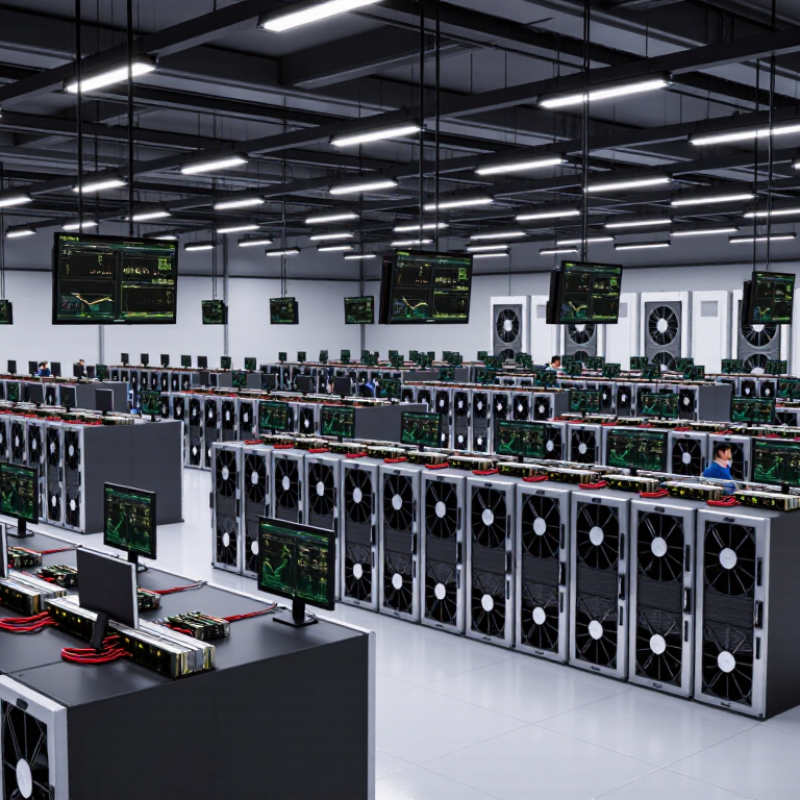
A global AI server manufacturer designs, builds, and supports computing systems for artificial intelligence workloads. Its core role extends beyond assembling servers. It integrates GPU accelerators, high-speed networking, memory, storage, firmware, and cooling into reliable platforms. These systems may train language models or process real-time industrial data.
Scale matters. IDC’s 2024 Worldwide AI and Generative AI Spending Guide projected global AI infrastructure spending above 150 billion dollars in 2024. This growth increases pressure on manufacturers to deliver consistent performance across regions. A dependable manufacturer also manages international logistics, spare parts, testing, cybersecurity, and local service response. The International Energy Agency reported that data centers consumed about 460 terawatt-hours of electricity in 2022. It expects demand could exceed 1,000 terawatt-hours by 2026. Therefore, efficient power design is not a minor feature. It is a core responsibility.
Experience still reveals hidden weaknesses. A server can pass laboratory tests yet struggle in a crowded rack. Cable airflow, liquid-cooling maintenance, and firmware updates require practical judgment. No design is perfect. Manufacturers should publish test methods, failure rates, warranty terms, and energy measurements. That transparency supports E-E-A-T and helps buyers compare evidence rather than promises.
Tips: Check workload benchmarks, rack power limits, cooling requirements, regional support, and replacement-part availability. Ask for independent validation. Marketing numbers can look impressive. They may not reflect your facility.
A global AI server manufacturer designs and produces systems for training, inference, and high-performance computing across different regions. Its core challenge is not simply installing more accelerators. It must coordinate processors, memory, networking, power delivery, cooling, firmware, and factory testing as one system.
Modern AI server design depends on high-bandwidth memory and fast accelerator interconnects. These technologies reduce data movement, which can limit training speed. Direct liquid cooling is also becoming important because dense racks generate intense heat.
The International Energy Agency reported that data centers consumed about 415 terawatt-hours of electricity in 2024. It expects demand could more than double by 2030. Efficiency is no longer optional. It affects operating cost, site selection, and environmental performance. Yet cooling designs still require careful maintenance planning. A technically efficient system can become impractical if technicians cannot service it quickly.
Power architecture needs equal attention. Engineers use redundant power supplies, intelligent monitoring, and workload-based control to protect uptime. High-speed network fabrics connect thousands of computing devices with lower latency. Manufacturing teams then validate signal integrity, thermal behavior, firmware stability, and component traceability.
The Uptime Institute’s 2024 outage analysis found that 54% of reported outages caused at least $100,000 in direct or indirect losses. That figure shows why testing must continue beyond factory startup.
In my view, AI server production still underestimates software compatibility. Hardware may pass every thermal test, yet deployment can expose driver, scheduling, or communication problems. Better digital twins and longer field trials could reduce that gap.
A global AI server manufacturer designs and builds computing systems for training, inference, simulation, and data-intensive workloads. Its major products include GPU servers, CPU servers, high-memory machines, and storage platforms. These systems may support multiple accelerators, fast networking, and redundant power supplies. Rack-scale solutions are also available for data centers that need consistent performance across many nodes.
Services matter as much as hardware. Manufacturers often provide system configuration, firmware updates, installation, remote monitoring, and technical maintenance. They may integrate liquid cooling for dense AI clusters, which helps control heat and noise. Regional service teams can assist with deployment, spare parts, and local compliance requirements. However, support quality can vary. Buyers should request clear response times and documented service procedures.
Tips: Match server design to workload, not marketing claims. Test memory capacity, network speed, and cooling under sustained demand. Check warranty coverage, software compatibility, and power consumption before purchase. A pilot deployment can reveal unexpected bottlenecks. Small details matter. I have seen efficient processors perform poorly when storage access or network traffic was overlooked. Even experienced teams may revise their configuration after real workloads expose gaps.
A global AI server manufacturer does more than assemble racks. It coordinates processors, memory, networking equipment, power systems, and cooling parts across several regions. Engineers validate each configuration through firmware checks, thermal testing, and extended burn-in cycles. A server may run beside a factory floor before shipment, exposing vibration, heat, and cable-routing problems.
Supply chains remain highly practical. A delayed power module can hold an entire rack for weeks. Manufacturers therefore qualify multiple suppliers, maintain regional inventories, and track components through documented quality systems. Local regulations also shape production. Data centers may require specific energy ratings, cybersecurity controls, recycling procedures, or domestic service capacity. Market demand changes quickly, especially when enterprises expand AI workloads without confirming grid capacity.
Partnerships connect the factory to real operating conditions. Semiconductor suppliers provide technical roadmaps, while logistics firms manage customs and sensitive equipment handling. Data center operators share information about airflow, water use, and maintenance access. Research institutions can test new cooling methods under controlled workloads. These relationships need measurable service levels, not friendly promises.
Forecasting is imperfect. Extra inventory protects delivery schedules, but it can become expensive waste. Regional assembly may reduce shipping time, yet it can increase training demands. Experienced manufacturers review these tradeoffs through field data, warranty reports, and customer audits. Some assumptions still fail. That is why reliable planning includes room for correction, transparent records, and direct technical communication across borders.
A global AI server manufacturer designs, validates, and supports computing systems across different markets. Its work includes accelerators, high-speed networking, storage, power delivery, and liquid-cooling integration. Compatibility matters because AI clusters often combine equipment from multiple suppliers. PCIe and CXL standards help connect processors, memory, and accelerators with fewer integration barriers. ISO/IEC 27001 also supports disciplined information-security practices across manufacturing and service operations.
Demand is rising sharply. IDC’s Worldwide AI and Generative AI Spending Guide projects global AI infrastructure spending to reach about 154 billion dollars in 2024. That growth creates pressure on component supply, testing capacity, and repair logistics. Cooling matters. The International Energy Agency reported that data centers used about 460 terawatt-hours of electricity in 2022. It expects consumption could exceed 1,000 terawatt-hours by 2026. Efficient power systems and liquid cooling are becoming practical requirements, not optional upgrades.
Manufacturers must also address thermal density, software compatibility, export controls, and regional data rules. ASHRAE TC 9.9 guidelines provide useful thermal guidance, but real facilities remain unpredictable. A specification can pass testing and fail in a dusty room. That gap is costly. Future systems will likely use modular designs, liquid cooling, predictive maintenance, and stronger supply-chain traceability. ISO/IEC 42001 may improve AI governance, although it does not solve every hardware problem. Standards help, but engineers still need field experience, transparent testing, and honest failure analysis.
It designs, builds, tests, and supports servers for AI training, inference, simulation, and data-heavy workloads. It combines accelerators, processors, memory, storage, networking, firmware, power systems, and cooling.
Dense racks produce intense heat, especially during continuous model training. Direct liquid cooling can improve thermal control, but technicians still need practical maintenance access. Efficient does not always mean easy.
Common systems include accelerator servers, processor-based servers, high-memory machines, storage platforms, and rack-scale solutions. Configurations vary by workload, network needs, and power limits.
Buyers should examine workload benchmarks, memory capacity, network speed, rack power limits, cooling requirements, and replacement-part availability. Ask for independent validation. Marketing figures may not match your facility.
They may provide installation, firmware updates, remote monitoring, spare parts, maintenance, and regional technical assistance. Clear response times matter. Support promises should appear in written procedures.
Drivers, scheduling systems, and communication libraries can create deployment problems. Hardware may pass thermal testing but struggle with real workloads. This gap deserves more testing.
A pilot deployment can reveal storage delays, network congestion, firmware conflicts, or unexpected heat. Test sustained demand, not only startup performance. Small details can become expensive.
It should publish testing methods, failure rates, warranty terms, energy measurements, and service conditions. These details help buyers compare evidence instead of promises. No design is perfect.
A global ai server manufacturers designs, produces, and supports specialized computing systems built to handle artificial intelligence workloads at scale. These manufacturers combine high-performance processors, accelerators, memory, storage, advanced cooling, networking, and power management to create reliable platforms for model training, data analysis, and real-time inference. Their products may include rack servers, integrated AI systems, storage solutions, software tools, maintenance services, and customized infrastructure for different industries and workloads.
Operating across international markets, these manufacturers depend on coordinated supply chains, manufacturing partners, logistics networks, research institutions, and enterprise customers. They must meet evolving standards for performance, energy efficiency, security, interoperability, and responsible production while addressing component shortages, rising power demands, thermal challenges, and complex data-center requirements. Future development is expected to focus on more efficient hardware, liquid cooling, modular designs, specialized accelerators, sustainable materials, and intelligent management software, enabling AI infrastructure to become more scalable, resilient, and environmentally responsible.
