 Cloudion
Cloudion
Cloudion
Choosing an ai server system integrator is a strategic decision for global buyers building reliable, scalable computing infrastructure. The right partner connects server hardware, accelerators, networking, storage, cooling, software, and long-term support. A polished specification sheet is not enough. Buyers need evidence from real deployments, measurable performance tests, and transparent service commitments.
This guide examines ten leading integrators serving international markets. It considers engineering capability, GPU and CPU platform expertise, data center compatibility, cybersecurity practices, warranty coverage, and regional support. It also reviews practical details, such as rack density, power requirements, liquid cooling readiness, and delivery consistency. These factors can determine whether an artificial intelligence cluster performs smoothly or becomes an expensive maintenance project.
No ranking is perfect.
Market conditions change quickly. A supplier with strong hardware expertise may have limited support in another region. A large brand may offer impressive capacity but slower customization. Smaller specialists can respond faster, yet their documentation may require closer review. These imperfections matter. They encourage buyers to verify references, examine service-level agreements, and request realistic workload benchmarks before signing a contract. The companies highlighted here are assessed through publicly available information, industry experience, technical capabilities, and buyer-focused considerations. Readers should still validate certifications, local regulations, import requirements, and total ownership costs for their specific deployment. Reliable integration is not only about buying powerful servers. It is about creating an operational system that remains supportable, efficient, and secure after installation.
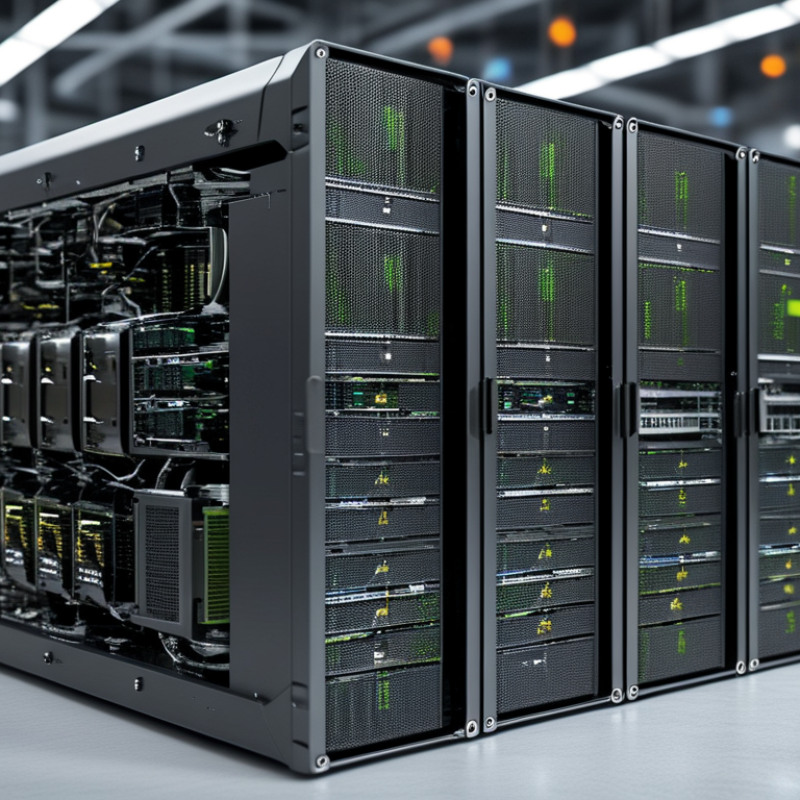
An AI server system integrator combines compute hardware, accelerators, networking, storage, software, and facility planning into one deployable system. It is not simply a reseller. The integrator validates thermal design, power capacity, cluster performance, security controls, and remote support before shipment.
That changes the job. Global deployment adds customs documentation, regional electrical standards, data residency, and multilingual maintenance. The International Energy Agency’s Electricity 2024 report estimates data centers used about 460 TWh of electricity in 2022. Demand could exceed 1,000 TWh by 2026. Integrators must therefore design for efficiency, not only speed.
The Stanford AI Index 2025 reports that corporate AI investment reached 252.3 billion dollars in 2024. Buyers need measurable deployment outcomes. A capable integrator should provide benchmark evidence, burn-in records, firmware controls, spare-parts planning, and clear service-level terms.
Uptime Institute’s Global Data Center Survey also highlights power, staffing, and resilience as persistent operational concerns.
A neat rack diagram can still hide operational risk. The model is imperfect. Real sites have unstable power, delayed permits, and limited cooling headroom. Experienced integrators test these conditions early, document every assumption, and revise the design when field data disagrees. Their role continues after installation through monitoring, capacity planning, incident response, and lifecycle upgrades. That accountability separates integration from procurement.
: Review sustained workload performance, accelerator memory, interconnect bandwidth, storage latency, and cooling capacity. Short benchmark bursts can mislead. Ask for measured results.
Dense racks may draw 30 kilowatts or more. They need planned airflow, power redundancy, and thermal monitoring. Heat changes performance.
Liquid cooling can support higher density and stable temperatures. It requires trained maintenance teams and leak-control procedures. It is not maintenance-free.
Request failure-rate records, replacement timelines, firmware controls, and escalation procedures. Spare-parts availability also matters. Promises are not enough.
Request a pilot using real models, real datasets, and written acceptance tests. Measure performance, temperature, noise, and stability. Results may change after updates.
It should identify unstable memory, excessive noise, poor airflow, and missing components. Ask for thermal readings and test records. Small faults become expensive later.
Check installation guidance, secure access procedures, firmware coordination, and time-zone coverage. Confirm local electrical and data protection requirements. Remote support has limits.
Compare integration labor, software tuning, energy use, repairs, warranty terms, and import documents. A low purchase price may hide difficult service work. Estimates are imperfect.
Choosing the right ai server system integrator is essential for organizations planning reliable, scalable, and compliant AI infrastructure across international markets. These specialists combine server hardware, accelerators, networking, storage, software, cooling, and monitoring into coordinated systems designed for demanding workloads such as model training, inference, analytics, and scientific computing. Their role extends beyond installation, covering architecture planning, performance validation, deployment coordination, maintenance, and long-term optimization.
This guide explains the main capabilities used to evaluate integration partners, including technical expertise, solution customization, security practices, supply-chain coordination, global support, and lifecycle services. It compares leading types of integrators by regional coverage, industry knowledge, deployment experience, and service responsiveness, helping buyers understand which partner model fits their requirements. The final section presents practical procurement considerations, such as total cost of ownership, compatibility, scalability, warranty support, delivery planning, regulatory alignment, and communication standards, enabling international buyers to make informed and sustainable purchasing decisions.
