Cloudion Cloudion

China Top 10 AI Computing Server Manufacturers?

Time:2026-11-17 Author:Ethan
0%

Choosing an ai computing server manufacturer is no longer just a matter of comparing processor brands. Buyers must weigh accelerator availability, memory capacity, networking, cooling, software support, and long-term service. A server can look impressive on a specification sheet and still disappoint when workloads scale or components run hot.

NVIDIA founder and CEO Jensen Huang has called AI “a five-layer cake,” pointing to the connected roles of energy, chips, infrastructure, models, and applications. That perspective helps explain why server makers matter: their systems must bring demanding components together and keep them working reliably. The details are tangible: rack density, airflow through a chassis, power draw, and the time needed to replace a failed part. Small choices can have large effects.

This guide examines ten manufacturers associated with China’s AI computing server market. It considers product capabilities, deployment experience, technical support, and publicly available company information—not just headline performance. The list should be treated as a starting point, since product lines and market positions change. It is not that simple. A vendor with strong hardware may not fit every software environment, budget, or service requirement. Readers should verify current specifications and support terms directly before making a purchase.
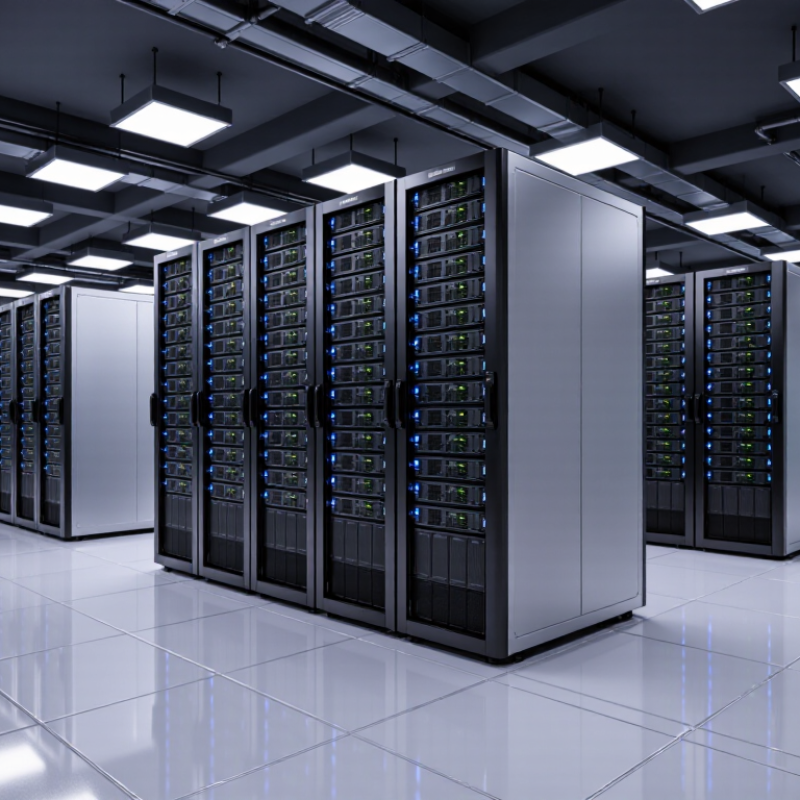
China Top 10 AI Computing Server Manufacturers?

What Defines an AI Computing Server Manufacturer?

What defines an AI computing server manufacturer is more than the ability to assemble racks. A capable manufacturer designs systems around accelerator compatibility, memory bandwidth, cooling, power delivery, and reliable operation under sustained workloads. Look inside a server: tightly routed cables, clear airflow paths, and accessible service panels can matter as much as peak performance. Small details are easy to overlook.

Manufacturing depth also means validating complete systems, not just individual parts. This includes testing thermal behavior, firmware stability, workload performance, and component replacement procedures before deployment. TrendForce forecast AI server shipments would rise 28% in 2025, reflecting rapid demand and growing pressure on supply chains. A manufacturer should explain how it handles component qualification and production consistency, rather than relying on broad performance claims.

Energy efficiency is another defining measure. The International Energy Agency’s Energy and AI report estimates data centers consumed about 415 terawatt-hours of electricity in 2024, with demand potentially more than doubling by 2030. That makes power efficiency, cooling design, and measurable system-level testing essential. Ask for results under a stated workload and configuration. Numbers without context are weak evidence. Even strong products can have trade-offs; independent validation may reveal gaps that a product sheet misses.

What Defines an AI Computing Server Manufacturer?

High-speed connectivity is one key consideration when evaluating AI server designs. This chart compares nominal, one-direction bandwidth for selected PCIe and Ethernet standards. Actual application throughput is lower and depends on implementation and protocol overhead.

PCIe values are approximate nominal bandwidth per direction for an x16 link. Ethernet line rates are converted from gigabits per second to decimal gigabytes per second.

How Are China’s Leading AI Server Companies Evaluated?

China’s leading AI server manufacturers should be evaluated on measured performance, not accelerator counts alone. IDC’s 2024 Worldwide AI and Generative AI Spending Guide projects global AI spending will reach $632 billion by 2028. That growth makes reliable capacity essential. Compare independent MLPerf Inference results, including performance per watt and the tested model configuration. Numbers need context.

A useful assessment also checks memory bandwidth, network speed, software compatibility, cooling, and service support. The IEA’s Electricity 2024 report estimates data-centre electricity use could reach 620–1,050 TWh in 2026, versus 460 TWh in 2022. For buyers, that makes power efficiency more than a technical footnote. Ask for sustained-load test results, not just brief peak scores. Confirm that the proposed system can run your actual models, with your data pipeline and deployment constraints. A lab benchmark is helpful, but it cannot capture every production bottleneck.

Tips: Request a test using your own workload and record power draw, latency, and temperature. I would treat any single score cautiously; real deployments are messier, and public comparisons do not always use identical configurations.

Who Are the Top 10 AI Computing Server Manufacturers in China?

Who are the top 10 AI computing server manufacturers in China? A credible shortlist should compare more than shipment volume. Look for firms that design GPU- and accelerator-ready systems, build high-density racks, and provide liquid-cooling options, validated software, and dependable after-sales support. These details matter when a server must run continuously in a crowded data center. One caveat: public rankings differ, and some count manufacturers while others include system integrators.

Market data shows why the field is expanding.

The China Academy of Information and Communications Technology reported that China’s computing power reached 230 EFLOPS in 2023, including 70 EFLOPS of intelligent computing.

TrendForce forecast global AI server shipments would rise 41.5% in 2024, to about 1.67 million units.

These figures describe demand, not a definitive ranking of Chinese suppliers. A practical top-ten comparison should therefore assess production capacity, accelerator compatibility, power efficiency, deployment references, and service coverage. Ask for measured performance under a real workload, not just peak specifications.

Small detail, big difference.

Some published rankings also blur the line between a server maker and a supplier assembling components; that distinction deserves a closer look.

How Do Their Products and Technologies Differ?

AI server manufacturers differ less by headline accelerator counts than by how they balance compute, memory, networking, and service. Some systems prioritize dense accelerator trays; others leave more room for airflow, storage, or easier maintenance. That choice affects rack space, power draw, and how quickly a technician can replace a fan or cable. Small details matter.

Compare accelerator compatibility, memory bandwidth, and interconnect speed, not just peak performance figures. An eight-accelerator server may behave differently when its network fabric is constrained or cooling limits sustained workloads. Check thermal test conditions, power requirements, firmware support, and workload results. These details make comparisons more useful, though published benchmarks rarely reflect every data center.

Service coverage and spare-part access also shape operating costs. Easy to overlook. I would not treat a tidy benchmark chart as the whole story; real workloads can expose trade-offs the chart hides.

Tips: Ask for a workload-matched demonstration using your model size, data type, and target utilization. Measure throughput, energy use, and recovery time after a component failure. Then confirm that the proposed rack fits your facility’s power and cooling budget. No single ranking suits every deployment.

What Factors Matter When Choosing an AI Server Manufacturer?

Choosing an AI server manufacturer starts with the workload, not the biggest GPU count. Ask for benchmark results using models and data sizes close to yours. A system that performs well on a small test may slow when memory fills or several GPUs exchange data. Check GPU memory, CPU balance, storage throughput, and accelerator interconnects together. Details matter. Request power draw and cooling requirements at sustained load, not only peak figures. In a crowded rack, a few extra kilowatts can change facility plans.

Reliability is more than component quality. Review burn-in procedures, firmware update practices, spare-part availability, warranty terms, and support response targets. Ask how the manufacturer diagnoses a failed node remotely and whether replacement parts are stocked near your site. Then validate the proposed configuration with a short pilot under realistic conditions. Monitor temperatures, fan noise, job completion times, and error logs. A polished specification sheet cannot answer everything. Compare total operating costs over several years, including electricity and maintenance. Some choices remain uncertain: workload growth is hard to predict, and overbuying can be expensive. A manufacturer should explain trade-offs clearly, document test methods, and admit when a configuration may not fit.

FAQS

What defines an AI computing server manufacturer?

It designs and validates complete systems, not just racks or individual parts. Accelerator support, memory bandwidth, cooling, power delivery, and service access all matter.

How should I compare server manufacturers in China?

Compare production capacity, accelerator compatibility, efficiency, deployment experience, and service coverage. Published rankings vary, and some include system integrators. The distinction matters.

Why can’t shipment figures alone identify the best manufacturer?

Shipment data indicates market demand, not system quality or suitability. A busy production line does not prove reliable operation under your workload.

Which server specifications deserve close attention?

Check accelerator compatibility, memory bandwidth, network speed, power requirements, and firmware support. Peak performance alone can hide limits.

How can cooling design affect daily operations?

Dense accelerator trays may save rack space but increase cooling demands. Clear airflow paths and accessible panels can make maintenance easier.

What testing should a manufacturer provide?

Ask for thermal, firmware, and workload results under a stated configuration. Component replacement tests are useful, too. Numbers need context.

How can I check whether a server fits my data center?

Request a demonstration using your model size, data type, and target utilization. Measure throughput, energy use, and recovery time after a component failure.

Are published benchmarks enough to choose a system?

No. Benchmarks may not reflect your facility or real workloads. I would want independent validation, though even that may leave questions.

Conclusion

This article explains what distinguishes an AI computing server manufacturer, including its ability to design and deliver systems suited to demanding AI workloads. It outlines how leading companies in China can be evaluated through factors such as computing performance, accelerator and processor support, memory and storage capacity, cooling, reliability, customization, and technical service. It also introduces a framework for comparing ten manufacturers without relying on brand names, helping readers understand the range of capabilities available in the market.

The article then explores how products and technologies may differ in architecture, scalability, energy efficiency, deployment options, and support for AI development and inference. For organizations choosing an ai computing server manufacturer, it highlights the importance of matching server specifications to workload requirements, budget, data-center conditions, expansion plans, and after-sales needs. This practical perspective helps buyers compare options and make a more informed decision.

Ethan

Ethan

Ethan is a seasoned marketing professional with a deep expertise in our company's innovative product line. With a passion for sharing knowledge and insights, he takes the lead in regularly updating our corporate blog, where he explores industry trends, product features, and effective marketing......