Cloudion
The concept of an AI server factory is reshaping how we approach artificial intelligence infrastructure. An AI server factory is a specialized facility designed to build and optimize server systems specifically for AI workloads. These factories harness advanced manufacturing technologies and streamlined processes to produce high-performance servers. Understanding the inner workings of an AI server factory can provide insights into the future of computing.
As industries increasingly rely on AI, the demand for efficient server solutions grows. An AI server factory focuses on creating servers that can handle complex calculations and large datasets. The architecture often includes powerful GPUs and optimized cooling systems. However, challenges remain in balancing speed, efficiency, and cost. Companies must navigate these factors as they design their AI infrastructures.
This evolving technology requires ongoing reflection and adaptation. An AI server factory can represent a significant investment but promises substantial returns through improved performance. By examining this innovative approach, we can better grasp the dynamics of AI deployment in various sectors.
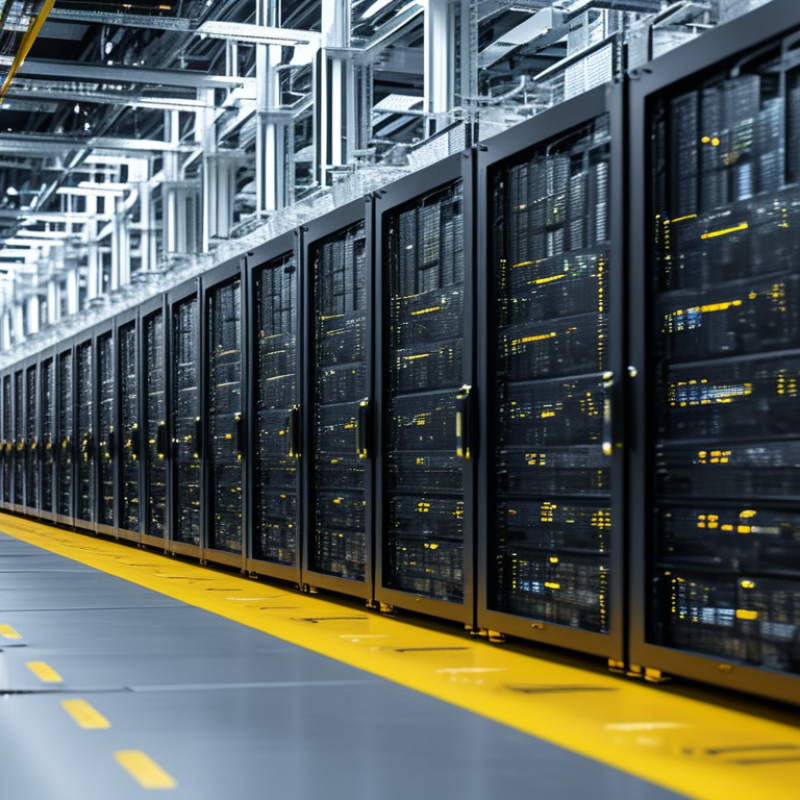
An AI Server Factory is a specialized facility designed to manufacture servers optimized for artificial intelligence tasks. These servers often consist of high-performance hardware components, such as powerful GPUs and large memory capacities. The focus is on providing the computational power necessary for data-heavy AI processes. This makes them integral in sectors like healthcare, finance, and autonomous systems.
Creating an AI Server Factory involves several steps. First, engineers assess the specific needs of AI applications. They then select the appropriate hardware configurations. This careful selection ensures servers can handle complex algorithms and large datasets efficiently. Additionally, the cooling and power supply systems are crucial. Adequate cooling prevents overheating during intensive tasks, ensuring reliability.
Tip: Regular maintenance of servers is vital. It helps in avoiding unexpected downtimes and enhances performance over time.
Incorporating innovative technologies like liquid cooling systems can significantly improve efficiency. However, implementing these solutions may require additional investment. This sometimes leads to challenges in balancing cost with performance. Consider trial runs and performance testing before full deployment.
Tip: Always keep up with the latest developments in AI server technology. Staying informed can help optimize your factory setup and efficiency.
An AI server factory is a complex ecosystem designed to deploy and manage AI workloads efficiently. Core components define how well these factories function. These elements include hardware, software infrastructure, and networking capabilities. Research from industry experts indicates that over 80% of organizations prioritize investing in AI infrastructure to remain competitive in today's market.
The hardware layer typically consists of powerful GPUs, custom ASICs, and high-speed storage systems. Experts suggest that investments in robust hardware lead to significant improvements in processing speeds. The software layer, including orchestration tools and machine learning platforms, ensure that AI models are seamlessly integrated and scaled. It is crucial for organizations to evaluate the reliability of their software choices. A flawed software component can undermine overall system performance.
Networking also plays a vital role in an AI server factory. High bandwidth and low latency enable faster data transmission and improved responsiveness. However, many organizations overlook the significance of their network setup. Weak networks can create bottlenecks, ultimately hindering AI performance. Data from recent studies shows that 45% of businesses encounter issues related to network inefficiencies when implementing AI solutions. Reacting to these concerns can lead to improved operational workflows within AI environments.
In an AI server factory, the process of training AI models involves several critical stages. Data collection is the first step. Large datasets are gathered from various sources to ensure diversity and expand model capabilities. This data must be clean and properly labeled for effective training.
The next stage is model selection. Different algorithms are tested to find the best fit for the task. This can often be a tedious process, requiring adjustment of parameters and optimization routines. It's common to encounter challenges during model training that necessitate iteration and reflection. Some models may perform better than expected, while others may not meet the desired standards.
Tips: Regularly evaluate your datasets. Analyzing data quality can save time and resources. Always keep an eye on model performance metrics to identify areas needing improvement. Engaging in collaborative reviews with peers can also enhance model effectiveness.
Once the model is trained, testing follows. Rigorous validation ensures the model's functionality in real-world scenarios. This is where unexpected flaws can surface, reminding teams that not every outcome can be predicted. Continuous learning and adaptation are essential in the rapidly evolving AI landscape. The AI server factory embodies this dynamic process of innovation and refinement.
| Dimension | Description | Example Value |
|---|---|---|
| Server Type | The type of server used in the AI factory | GPU Server |
| Storage | Amount of storage available for data processing | 100TB |
| Network Speed | Bandwidth for data transfer | 10 Gbps |
| AI Framework | The framework used for model training | TensorFlow |
| Model Training Time | Duration required to train a model | 24 hours |
| Cooling System | Method used to maintain optimal temperature | Liquid Cooling |
| Power Supply | The electrical supply for operational needs | 10 kW |
| Security Measures | Protocols in place to protect data | Encryption and Firewalls |
| Scalability | Ability to increase resources as needed | Dynamic Scaling |
AI server factories are changing how businesses operate. They streamline the development and deployment of AI applications. This efficiency leads to faster turnaround times and increased productivity.
One significant benefit of using AI server factories is cost reduction. Organizations save money on hardware and maintenance. These factories leverage shared resources, reducing the need for individual servers. Additionally, they enhance scalability. Companies can easily adjust computing power based on demand. This flexibility ensures that resources are used effectively, allowing for smarter project management.
AI server factories also support innovation. They provide easy access to advanced tools and technologies. Engineers can experiment and iterate rapidly. However, reliance on automated AI processes can lead to concerns about quality control. Sometimes, errors go unnoticed, emphasizing the need for regular oversight. Companies must strike a balance between automation and human intervention for optimal outcomes.
AI server factories are evolving rapidly, driven by the increasing demand for powerful computing resources. These factories integrate artificial intelligence into their operations, optimizing efficiency and performance. As they grow, new trends are emerging that can reshape the landscape of technology.
Another trend focuses on sustainability. Companies are becoming aware of the environmental impact of data centers and AI systems. Innovative cooling methods and energy-efficient components are gaining traction. While these strategies are promising, they are not without challenges. The cost of implementing sustainable practices can be high, and short-term gains may be tempting. A holistic approach is needed to ensure long-term success.
I server factory?
Powerful GPUs and high-speed storage improve processing speeds. Robust hardware is crucial for better AI performance.
The software layer manages AI models. Flawed components can undermine overall system functionality and performance.
High bandwidth and low latency enable fast data transmission. Weak network setups can create significant performance bottlenecks.
Automation reduces human error and increases output speed. However, it also raises concerns about workforce displacement.
Trends include automation and sustainability. Companies are seeking energy-efficient practices to reduce environmental impact.
Implementing sustainable measures can be expensive. Short-term gains might hinder long-term strategies for success.
Many prioritize investments in hardware and software for competitive advantage, but some overlook important networking aspects.
While automation improves efficiency, it requires skilled technicians for maintenance and can displace workers.
Addressing networking inefficiencies can enhance workflow. Many experience network-related issues during AI implementation.
An AI server factory is a specialized facility designed to optimize the development and deployment of artificial intelligence models. It encompasses various key components, such as high-performance computing hardware, efficient data storage solutions, and robust networking systems that work together to enhance the AI training process. The operation within an AI server factory follows a streamlined workflow, significantly accelerating model training and improving scalability compared to traditional methods.
Utilizing AI server factories offers numerous benefits, including reduced training times, increased computational power, and the ability to handle large datasets effectively. As technology evolves, future trends in AI server factory innovation are likely to focus on enhanced energy efficiency, improved automation, and the integration of advanced machine learning techniques, further revolutionizing how AI models are developed and deployed in various industries.
